
Table of Contents
1. Introduction
Let’s be real—these days, your degree or test score isn’t the secret to thriving. It’s something deeper: emotional intelligence & mental well-being.
Think about it. Some people keep their cool in a crisis, others fall apart. Some friendships last for years, others fade out with a single misunderstanding. The difference? Usually, it’s emotional intelligence.
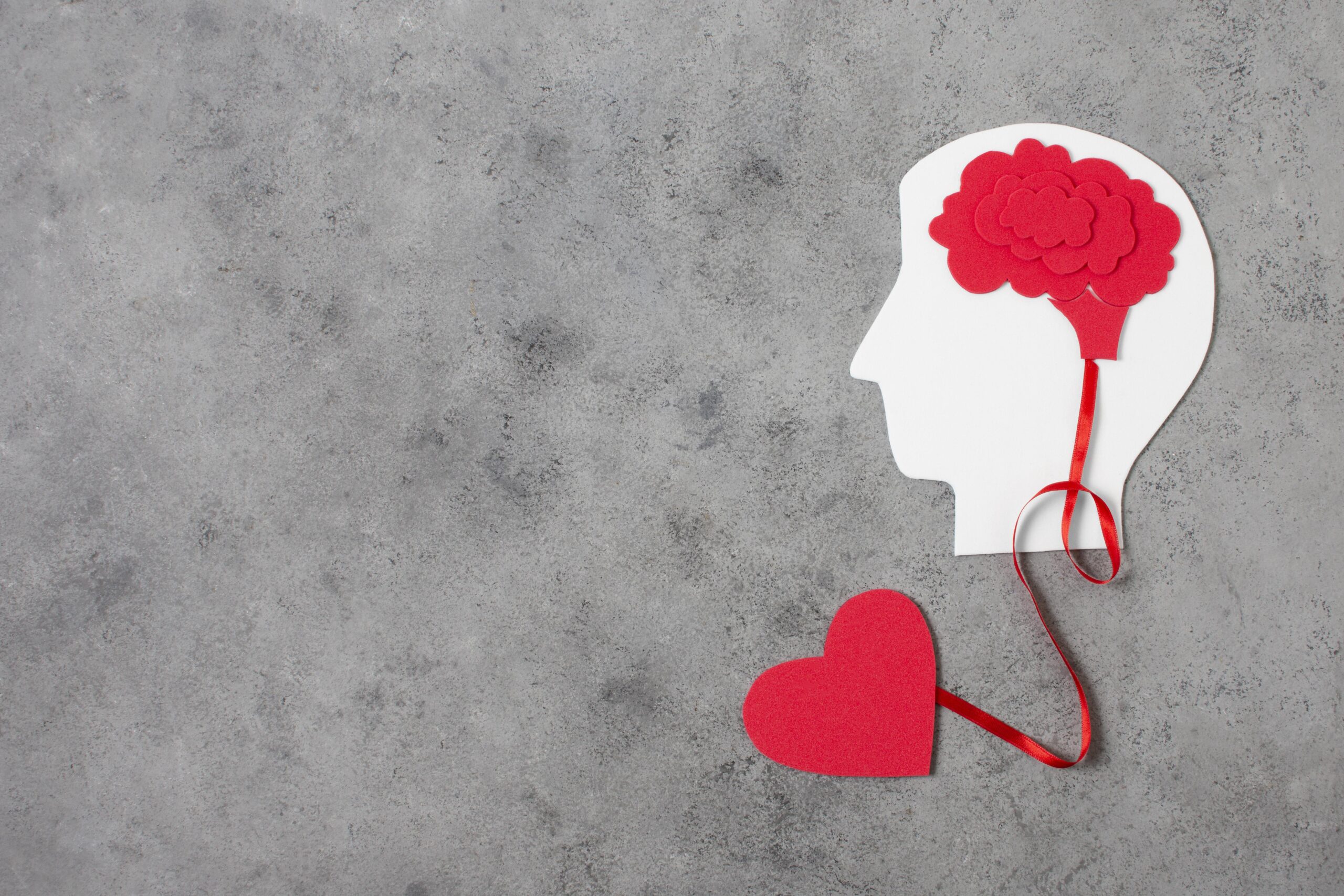
These aren’t just catchy phrases. Emotional intelligence and mental well-being shape how you think, feel, act, and relate to people. Better yet, you can actually build and grow these skills.
2. What is Emotional Intelligence?
Emotional intelligence (EI) means you get your own emotions and know how to handle them. It’s also about understanding what others feel, and how you both affect each other.
Bottom line: it’s about being smart with emotions—yours and everyone else’s.
3. What is Mental Well-being?
Mental well-being covers your emotional, psychological, and social health. It shapes how you cope with stress, connect with others, and make decisions.
It’s not just dodging mental health issues. It’s about feeling stable, thinking clearly, and finding purpose in your life.
4. Why Emotional Intelligence Matters in Daily Life?
Emotional intelligence and mental well-being show up everywhere—in your family life, at work, with friends, even in how you talk to strangers.
A. Impact on Relationships
When you have high emotional intelligence, you:
- Communicate more clearly
- Work out problems calmly
- Build trust without forcing it
So, you don’t just react to people—you respond to them in a thoughtful way.
B. Impact on Career Success
Employers want team players who handle pressure—and not just because they can hit a deadline.
People with strong emotional intelligence:
- Thrive on teams
- Lead naturally
- Roll with the punches
They don’t just clock in and out—they’re the folks everyone wants on their side.
5. The 5 Core Components of Emotional Intelligence
There are five big pieces to this puzzle. Master these, and you’re well on your way.
Self-Awareness
This is where it all starts. Know what you’re feeling and why it’s happening.
Ask yourself: What am I feeling right now? Why am I acting this way?
Self-Regulation
This is about holding back your knee-jerk reactions.
When something triggers you, try to pause, think for a moment, and then pick your response.
Motivation
People with high emotional intelligence don’t rely only on a pat on the back. They have their own goals and keep pushing when things get tough.
They keep a positive attitude—even when life’s not easy.
Empathy
You know you’re strong in this area when you get where others are coming from.
This lets you connect, avoid drama, and really help people feel heard.
Social Skills
This covers a lot: communicating, working through conflict, and being an awesome team player.
If you have strong social skills, chances are your relationships are solid too.
6. Emotional Intelligence & Mental Well-being Connection
Here’s something most folks miss: emotional intelligence and your mental well-being are tied together.
Psychological Benefits
Boost your emotional intelligence and you:
- Lower anxiety
- Handle stress better
- Feel more confident in yourself
Physical Health Benefits
It’s not just in your head—your body responds too.
People with higher emotional intelligence often have:
- Less stress hormones floating around
- Better sleep
- Stronger immune systems
7. 21 Powerful Strategies to Improve Emotional Intelligence
Ready to make some changes? These habits and practices can make a real difference.
- Practice self-reflection
- Pause before you react
- Name your emotions
- Really listen to people
- Express gratitude
- Stay in the moment
- Stop the negative self-talk
- Own up to your mistakes
- Keep an open mind with feedback
- Notice how others are feeling
Long-Term Practices
- Practice mindfulness
- Cultivate empathy
- Sharpen your communication skills
- Build resilience
- Set strong boundaries
- Learn better ways to handle stress
- Read books on self-development
- Find a mentor
- Learn to forgive—really forgive
- Stay curious about people, not judgmental
- Invest in your personal growth
Practical Exercises for Emotional Intelligence
Journaling
Every day, jot down:
- How did I feel?
- Why did I feel it?
- How did I react?
- You’ll spot patterns and gain self-awareness.
Mindfulness
Spend a few minutes daily focusing on your breath. Instead of judging your thoughts, just observe them.
Feedback Seeking
Ask people you trust, “How do I come across emotionally?” You might be surprised by what you learn.
8. Common Mistakes to Avoid
- Trying to “think away” feelings instead of facing them
- Blowing small stuff out of proportion
- Taking things too personally
- Dodging the tough talks
- Emotional Intelligence in Leadership
Great leaders aren’t just smart; they’re emotionally intelligent.
They motivate teams, handle conflicts gracefully, and know how to connect. These days, leadership isn’t just about vision—it’s about managing emotions, too.
9. Emotional Intelligence for Students & Professionals
For students, this means better focus, less stress, and smoother friendships. For professionals, it’s the edge you need for promotions and making tough calls.
FAQs on Emotional Intelligence & Mental Well-being
What does high emotional intelligence look like?
People with high EI are aware of their feelings, understand others, and handle emotions well.
Can anyone learn emotional intelligence?
Absolutely. With practice and reflection, you can build these skills.
People with high EI are aware of their feelings, understand others, and handle emotions well.- How does emotional intelligence help mental health?
It keeps stress levels down, reduces anxiety, and helps you find your emotional balance. - Is emotional intelligence more important than IQ?
Both matter, but emotional intelligence often determines how you handle real-world challenges, especially in relationships. - How can I practice emotional intelligence every day?
Start by reflecting on what you feel, listening better, and making time for mindfulness. - Why is empathy so important to emotional intelligence?
Empathy strengthens trust and improves every conversation you have.
Conclusion
Emotional intelligence and mental well-being aren’t just nice-to-haves. They’re life tools.
When you work on these skills, you get to know yourself, connect with others on a deeper level, and live more in balance. And you don’t have to start big. Just pick one thing, do it today, and see what happens.
Mastering your emotions isn’t about being perfect—it’s about being real, paying attention, and growing a little every day. That’s how you start building a truly happy life.
Recommended Resource
For more on emotional health, check out: https://www.mind.org.uk
Post-Article Message
If this helped, try weaving a few of these strategies into your day—and pass this guide along to someone who might need it.
For more insights, visit www.lifeskills2you.com
1 thought on “The Master Guide to Emotional Intelligence & Mental Well-being<span class="wtr-time-wrap after-title"><span class="wtr-time-number">6</span> min read</span>”
Comments are closed.