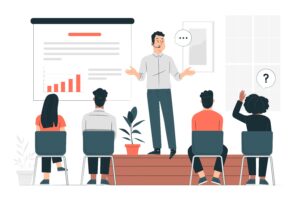
“The Vital Role of Teachers in Life Skills Education: Empowering Tomorrow”

The Vital Role of Teachers in Life Skills Education

(not just teaching subjects… but shaping real lives)

I’ve sat in hundreds of classrooms.

Not as a student this time… but as a trainer, observing, interacting, sometimes just quietly watching from the back.

And there’s something I’ve noticed again and again.

The students don’t always remember what was taught…
but they always remember how a teacher made them feel.

Strange, right?

But also… not really.


Why are teachers so important in life skills education?

Because life skills aren’t taught through textbooks.

They’re… absorbed.

I remember one session in a rural school. After the training, a boy came up to me and said,
“Sir, our teacher always listens to us… even when we make mistakes.”

That stayed with me.

Because what he was really saying was —
“I feel safe here.”

And safety… is where confidence begins.

Teachers don’t just “teach communication skills” or “emotional intelligence.”
They model it.

Every single day.

How they respond to a wrong answer…
how they handle a difficult student…
how they speak under pressure…

Students are watching all of it.


What life skills do teachers actually influence?

This might sound obvious, but it’s deeper than we think.

It’s not just about telling students, “be confident” or “work in a team.”

It’s about showing them what that looks like.

Communication

A teacher who listens patiently… teaches communication without saying a word.

I’ve seen classrooms where students are afraid to speak — and others where they freely express ideas.

The difference?
The teacher.


Emotional intelligence

You know, Daniel Goleman talks about self-awareness and empathy as core skills.

But where do kids learn that first?

At home… yes.
But school reinforces it.

A teacher who says, “It’s okay to feel nervous before speaking”…
is doing more than teaching — they’re normalizing emotions.


Confidence

Confidence doesn’t grow from praise alone.

It grows from small moments.

  • When a teacher says, “Try again, you’re close”
  • When a student is encouraged instead of embarrassed

I’ve seen a quiet student slowly start participating… just because one teacher believed in them.

Not loudly. Not dramatically.
Just consistently.


Decision-making and responsibility

When teachers give students small choices —
like leading a group, presenting an idea, solving a problem…

That’s life skills education.

Not theory. Real practice.


Can teachers really change a student’s personality?

This is something people ask me a lot.

And honestly… not completely.

But they can influence it deeply.

I’ve seen introverted students become expressive…
not because they changed who they are,
but because someone created space for them.

One participant once told me,
“I was always scared to speak… but one teacher kept asking me simple questions. Slowly, I started answering.”

That’s it.

No big intervention.
Just consistent encouragement.


What challenges do teachers face in teaching life skills?

This part often gets ignored.

We expect teachers to do everything —
complete syllabus, manage classrooms, handle pressure…

…and on top of that, teach life skills.

It’s not easy.

Sometimes teachers want to focus on students’ emotional growth…
but time doesn’t allow it.

Sometimes they try… but don’t have training themselves.

And honestly…
you can’t teach what you haven’t experienced.

That’s why teacher training matters so much.


How can teachers naturally build life skills in classrooms?

Not through extra lectures.

But through small, everyday actions.

I’ve seen this work better than any formal program.

Create a safe space

Students speak more when they don’t fear judgment.

Simple things —
not laughing at wrong answers,
not comparing students constantly…

It changes everything.


Encourage participation (even small ones)

Not everyone will raise their hand.

But maybe someone will answer when asked gently.

That matters too.


Model behavior

If a teacher handles stress calmly…
students notice.

If a teacher admits, “I made a mistake”…
students learn humility.


Give responsibility

Even small roles — group leader, timekeeper, presenter…

They build confidence slowly.

And that “slowly” part is important.


Why life skills education is no longer optional

If I’m being real with you…

Marks alone don’t prepare students for life.

I’ve met highly educated individuals who struggle with:

And then I’ve met students with average marks… but strong life skills —
and they navigate life much better.

That’s the difference.

Life skills are not extra.

They’re essential.


What I’ve learned from working with teachers

This might sound simple, but it’s not easy…

The best teachers I’ve seen are not the ones who know everything.

They’re the ones who:

  • listen
  • stay patient
  • and genuinely care

I remember one teacher who stayed back after school just to talk to students who were struggling.

No recognition. No reward.

Just… presence.

And honestly… that’s life skills education in its purest form.


Final thoughts… (just a quiet reflection)

Teachers don’t always realize the impact they have.

They might think,
“I just taught a lesson today.”

But maybe…

  • they gave a student confidence to speak
  • they made someone feel understood
  • they changed how a student sees themselves

And those things stay.

Long after textbooks are forgotten.


If you’re a teacher reading this…

You’re doing more than you think.

Even on the days when it feels like nothing is working.

Something is.

Slowly… quietly…
you’re shaping lives.

FAQs: Life Skills Education and the Role of Teachers

1. What are life skills?

Life skills refer to the abilities needed to effectively handle everyday challenges and interactions, such as communication, problem-solving, and emotional regulation.

2. Why are teachers important in life skills education?

Teachers play a crucial role as facilitators, mentors, and role models in life skills education, helping students develop the abilities needed for personal and professional success.

3. How can life skills be integrated into the academic curriculum?

Life skills can be woven into academic lessons through group work, discussions, and real-life scenario simulations.

4. What challenges do teachers face in teaching life skills?

Common challenges include time constraints, lack of resources, and a curriculum focused on standardized testing.

5. What is the long-term impact of life skills education?

Life skills education prepares students for adulthood, increasing their chances of success in both their personal and professional lives.

6. How do teachers serve as role models for life skills?

By demonstrating communication, empathy, and problem-solving in their everyday interactions, teachers serve as role models for the life skills they teach.


Empower Your Journey: Mastering Assertiveness Skills for a Confident Tomorrow

Welcome to a transformative journey towards mastering assertiveness skills – the key to unlocking your true potential and building unshakable confidence. As a passionate freelance trainer dedicated to empowering individuals and organizations, I am here to guide you through the nuances of assertiveness, the cornerstone of effective communication and self-assurance.

Understanding Assertiveness: Embracing Your Inner Strength

In a world brimming with diverse personalities and opinions, mastering assertiveness is your passport to expressing your thoughts, needs, and desires with clarity and confidence. Assertiveness is not about being aggressive; it’s about standing up for yourself while respecting others. It’s the fine art of balancing empathy with self-assurance, creating a harmonious environment in both personal and professional spheres.

Developing Assertive Communication Skills: Your Path to Success

Assertiveness in Communication: Finding Your Voice

In the intricate web of human interactions, communication stands tall as the linchpin that connects us all. Assertive communication, in particular, is a skill that transcends mere words; it is the art of expressing your thoughts, emotions, and needs openly and honestly while respecting the rights and opinions of others. Mastering assertive communication is not just a valuable skill; it’s your path to success in both personal relationships and the professional world.

Understanding Assertive Communication: The Core Principles

1. Clarity and Directness:

Assertive communicators are clear and direct about their needs and boundaries. They express themselves in a straightforward manner, ensuring that their message is not lost in ambiguity. By being specific and concise, assertive individuals convey their thoughts effectively, leaving no room for misunderstandings.

2. Active Listening:

One of the fundamental aspects of assertiveness is active listening. It involves not just hearing the words but understanding the emotions and intentions behind them. When you practice active listening, you show respect for the speaker, fostering a sense of trust and openness in the conversation. This reciprocal respect forms the foundation of assertive communication.

3. ‘I’ Statements:

Assertiveness is not about blaming or accusing others; instead, it focuses on expressing your feelings and thoughts using ‘I’ statements. For instance, saying “I feel frustrated when deadlines are not met” is more effective than blaming someone directly. ‘I’ statements take responsibility for your emotions, making it easier for others to empathize and respond positively.

Developing Assertive Communication Skills: Practical Steps

1. Self-Reflection:

Understanding your communication style is the first step toward assertiveness. Reflect on your past interactions. Identify patterns where you might have been passive, aggressive, or assertive. Recognizing areas that need improvement is the foundation for growth.

2. Practice Empathy:

Empathy is the cornerstone of assertiveness. Put yourself in others’ shoes to comprehend their perspectives and emotions. By understanding their feelings, you can respond in a way that is considerate and respectful, leading to more positive outcomes in conversations.

3. Role-Playing:

Engage in role-playing exercises where you practice assertive responses to various situations. These simulations allow you to refine your communication skills in a safe and controlled environment, boosting your confidence in real-life interactions.

4. Seek Feedback:

Request feedback from trustworthy friends, family, or colleagues. They can provide valuable insights into your communication style, highlighting areas of improvement and affirming the aspects where you excel. Constructive criticism is a powerful tool for personal growth.

Assertive Communication in Professional Settings: Navigating Challenges

In the workplace, assertive communication is indispensable. It enables you to negotiate effectively, handle conflicts professionally, and advocate for your ideas. Assertive individuals command respect, fostering positive work environments where collaboration thrives, and productivity soars.

Assertive Communication in Personal Relationships: Building Strong Bonds

In personal relationships, assertiveness paves the way for meaningful connections. By expressing your feelings, setting boundaries, and addressing concerns assertively, you foster mutual respect and understanding. It promotes healthy relationships where both parties feel valued and heard, strengthening the bond between them.

In essence, assertive communication is not just a skill; it’s a mindset that empowers you to navigate life’s complexities with grace and confidence. By embracing the principles of assertive communication, you embark on a transformative journey, shaping your path to success in every aspect of life.

Overcoming Challenges: Assertiveness in Adversity

In the intricate dance of life, challenges are inevitable. How we confront them defines our character and shapes our destiny. Assertiveness, the art of expressing oneself while respecting others, emerges as the beacon guiding us through adversities, both in the workplace and personal relationships. Join us on this transformative journey as we explore the profound impact of assertiveness in overcoming challenges and fostering meaningful connections.

Assertiveness at Work: Navigating Office Dynamics

Mastering Conflict Resolution with Assertiveness

In the bustling corridors of professional life, conflicts often arise. Assertiveness equips you with the tools to handle these conflicts gracefully. By addressing concerns directly and assertively, you create an atmosphere of open communication, paving the way for collaborative problem-solving. Setting boundaries in the workplace ensures your voice is heard and your contributions recognized, fostering a positive and productive environment.

Advocacy and Assertiveness: Propelling Your Career

Assertiveness is the driving force behind career progression. It empowers you to advocate for your ideas and accomplishments, ensuring you receive due recognition. By mastering the art of assertive communication, you not only navigate office politics but also propel your career to new heights. Assertiveness isn’t just a skill; it’s your ticket to a fulfilling and successful professional life.

Assertiveness in Relationships: Building Meaningful Connections

Honesty and Respect: The Pillars of Assertive Relationships

In the realm of personal relationships, assertiveness becomes the cornerstone of authentic connections. It promotes honesty, allowing you to express your emotions openly and respectfully. By embracing assertiveness, you create an environment where trust thrives. Clear communication, emotional expression, and setting boundaries strengthen bonds, fostering relationships that are built on a foundation of mutual respect and understanding.

Conflict Resolution in Relationships: The Assertive Approach

Conflicts are natural in any relationship; what matters is how we resolve them. Assertiveness enables you to address issues without aggression or avoidance. By expressing your concerns assertively, you encourage healthy dialogue, leading to resolutions that strengthen your relationship rather than strain it. Assertiveness in relationships isn’t about winning; it’s about understanding and finding common ground.

Embracing Your Assertive Destiny: A Call to Action

Remember, assertiveness is not a trait; it’s a skill you can develop and refine. By honing your assertiveness skills, you’re investing in a future filled with confidence, respect, and meaningful connections. Start your journey today, and witness the transformative power of assertiveness in your life.

Thought: “Confidence is silent. Insecurities are loud.”

Website Article References:

Forbes : The Power Of Assertiveness And How It Can Change Your Life

YouTube Video Reference:

Conclusion:

Thank you for embarking on this empowering journey to master assertiveness skills. As you navigate the intricacies of effective communication and self-assurance, remember that assertiveness is the key to unlocking a future filled with confidence and success. If you’re hungry for more knowledge, don’t miss out on our other engaging articles waiting for you. Dive into our treasure trove of wisdom and discover new perspectives on related topics. Click ‘Our Blog‘ and ‘How to Guide‘ to embark on your next adventure. Happy reading!

Self-Management: A Fundamental Personal Life Skill for Success and Fulfillment

In today’s fast-paced world, mastering the art of self-management has become more crucial than ever before. It’s a foundational personal life skill that plays a pivotal role in achieving success, maintaining balance, and experiencing fulfillment. At its core, self-management involves the ability to regulate one’s thoughts, behaviors, and emotions in a way that empowers you to navigate life’s challenges and capitalize on its opportunities. In this comprehensive article, we’ll delve into the multifaceted aspects of self-management, exploring its significance, benefits, and practical strategies to develop this skill to its fullest potential.

Table of Contents

  1. Understanding Self-Management: What It Truly Entails
  2. The Significance of Self-Awareness in Effective Self-Management
  3. Time Management: A Key Pillar of Self-Management
  4. Emotional Intelligence: Navigating Emotions for Optimal Self-Control
  5. Goal Setting and Prioritization: Directing Your Life with Purpose
  6. Stress Management: Building Resilience in the Face of Challenges
  7. Building Healthy Habits: Sustaining Positive Change
  8. The Ripple Effect: How Self-Management Enhances Various Life Domains

1. Understanding Self-Management: What It Truly Entails

Self-management is the art of taking charge of your own life and actively steering it in the direction you desire. It encompasses a wide array of skills, from managing time and emotions to making effective decisions and cultivating healthy habits. By developing strong self-management skills, you gain the ability to create a harmonious and fulfilling life.

2. The Significance of Self-Awareness in Effective Self-Management

A cornerstone of self-management is self-awareness – the ability to recognize and understand your own thoughts, emotions, and behaviors. By cultivating self-awareness, you can identify patterns, triggers, and areas for improvement, allowing you to make conscious choices that align with your goals and values.

3. Time Management: A Key Pillar of Self-Management

Efficiently managing your time is central to self-management. By setting clear priorities, creating schedules, and eliminating distractions, you optimize your productivity and create space for meaningful activities, both personally and professionally.

4. Emotional Intelligence: Navigating Emotions for Optimal Self-Control

Emotional intelligence is the skill of recognizing, understanding, and managing your emotions and those of others. It empowers you to respond thoughtfully rather than react impulsively, leading to healthier relationships and improved decision-making.

5. Goal Setting and Prioritization: Directing Your Life with Purpose

Setting goals and aligning them with your values provides a sense of purpose and direction. Effective goal setting enables you to break down large aspirations into actionable steps, keeping you motivated and focused on achieving your dreams.

6. Stress Management: Building Resilience in the Face of Challenges

Life is full of challenges, and effective self-management equips you with the tools to navigate them with grace. By practicing stress-reduction techniques such as mindfulness, exercise, and relaxation, you build resilience and maintain a sense of well-being.

7. Building Healthy Habits: Sustaining Positive Change

Self-management involves replacing detrimental habits with positive ones. By understanding the psychology of habits and implementing gradual changes, you can create lasting transformations that contribute to your overall well-being.

8. The Ripple Effect: How Self-Management Enhances Various Life Domains

The benefits of mastering self-management extend across all aspects of life. From improved work performance and better relationships to enhanced mental and physical health, effective self-management creates a positive ripple effect that elevates every facet of your life.

In conclusion, self-management is a personal life skill that empowers you to take control of your destiny. By fostering self-awareness, practicing time management, developing emotional intelligence, setting goals, managing stress, and cultivating healthy habits, you unlock the potential for a life filled with purpose, balance, and fulfillment. At [Your Company Name], we recognize the transformative power of self-management and are here to support you on your journey toward a more empowered and meaningful life

Exit mobile version