Empower Learning: How to encourage self-directed learning?

In an era where knowledge is power, the ability to learn independently is a transformative skill. Self-directed learning not only fosters critical thinking but also encourages lifelong personal and professional growth. By nurturing this skill, individuals can chart their learning journeys, adapt to changes, and seize opportunities with confidence. This blog explores actionable strategies to inspire self-directed learning, guiding you toward becoming autonomous learners ready to conquer challenges and achieve aspirations.

The Power of Self-Directed Learning

Self-directed learning (SDL) is a dynamic approach where individuals take the reins of their education, setting goals, identifying resources, and evaluating progress independently. It’s about taking control—building not only knowledge but also resilience, creativity, and adaptability.

When learners become self-directed, they:

  1. Cultivate confidence in their abilities.
  2. Adapt to evolving environments.
  3. Achieve more profound satisfaction in learning outcomes.

Strategies to Encourage Self-Directed Learning

1. Cultivate a Growth Mindset

To promote SDL, instill the belief that abilities can be developed through effort and learning. Carol Dweck’s concept of the growth mindset emphasizes resilience, encouraging learners to embrace challenges and persist despite setbacks.

2. Create a Supportive Learning Environment

A conducive learning atmosphere inspires curiosity and engagement. Offer tools, access to resources, and a safe space where learners feel encouraged to explore.

Actionable Steps:

  • Provide online learning platforms or libraries.
  • Encourage collaboration and discussion to share insights.
  • Set achievable milestones to maintain motivation.

3. Teach Goal Setting and Planning

Help learners define SMART (Specific, Measurable, Achievable, Relevant, Time-bound) goals. This structure keeps their learning journey organized and focused.

Example: If someone wants to learn coding, break the goal into steps like understanding basics, practicing daily, and completing a project within three months.

4. Encourage Reflection and Self-Assessment

Reflection enhances learning by helping individuals recognize their progress and areas for improvement.

Activity Suggestion: Maintain a learning journal to track achievements, note challenges, and brainstorm solutions.

5. Introduce Diverse Learning Tools

Offer access to e-learning platforms, mobile apps, podcasts, or online communities. These tools provide autonomy while keeping learners engaged with varied content formats.

Why Self-Directed Learning Matters

Empowered learners are better prepared to:

  • Stay competitive in fast-changing job markets.
  • Develop critical problem-solving skills.
  • Build adaptability to navigate uncertainties.

“Own your journey; the world is your classroom!”

How to Foster Autonomy in Learning

To ensure self-directed learning flourishes, educators, trainers, and mentors play a pivotal role. Here’s how to encourage autonomy without overwhelming learners:

1. Provide Guidance Without Micromanaging

Learners should feel supported but not dependent. Strike a balance by offering initial guidance, then gradually stepping back as confidence builds.

Example: A mentor might outline the steps to mastering a skill and then allow learners to determine the pace and sequence based on their comfort level.

2. Encourage Curiosity and Exploration

Self-directed learning thrives on curiosity. Foster this by introducing learners to a broad spectrum of topics and encouraging them to dive deeper into areas of personal interest.

Tip: Pose open-ended questions like, “How would you approach solving this issue in a unique way?” to stimulate independent thinking.

3. Use Problem-Based Learning

Presenting real-world challenges helps learners apply knowledge practically while fostering critical thinking. Problem-solving tasks make learning more meaningful and less abstract.

Example: Ask learners to design a simple app or manage a small project, pushing them to research, strategize, and implement solutions independently.

Overcoming Challenges in Self-Directed Learning

While self-directed learning has numerous benefits, it’s not without its hurdles. These include procrastination, lack of direction, or feeling overwhelmed. Below are strategies to overcome these barriers:

1. Combat Procrastination

Encourage learners to use time-management tools, break tasks into smaller chunks, and reward themselves upon completing milestones.

Tool Suggestion: Apps like Trello or Todoist help learners organize tasks efficiently.

2. Provide Role Models and Mentorship

Seeing others succeed in SDL can be a powerful motivator. Connect learners with mentors or share success stories of self-made achievers.

3. Promote Emotional Resilience

Encourage learners to embrace failures as part of the journey. By normalizing setbacks, learners can develop the grit needed to persist.

“Every failure is a stepping stone to mastery.”

The Role of Technology in Self-Directed Learning

The digital age has revolutionized self-directed learning, offering unparalleled resources. Leverage technology effectively to make learning more engaging and accessible.

1. Utilize Online Learning Platforms

Platforms like Udemy, Khan Academy, or LinkedIn Learning provide structured courses that learners can explore at their own pace.

2. Embrace Gamification

Gamified apps like Duolingo or Quizlet make learning fun and interactive, encouraging consistent engagement.

3. Leverage Social Learning Networks

Online communities such as Reddit’s educational forums or Quora enable learners to share knowledge, ask questions, and receive diverse perspectives.

Final Thoughts: Embracing Self-Directed Learning as a Life Skill

Self-directed learning isn’t just about acquiring knowledge—it’s a mindset that equips individuals to thrive in an ever-changing world. Whether it’s mastering a new language, advancing in a career, or pursuing a hobby, SDL empowers individuals to take charge of their journey.

Takeaways from the Article

  • Foster curiosity, reflection, and autonomy.
  • Use tools and technology to enhance learning experiences.
  • Embrace challenges as opportunities to grow.

Recommended Readings:

Thank you for diving into this guide on self-directed learning. Ready to empower yourself further? Explore more transformative content on our Our Blog and How to Guide. Let your learning journey begin—today!

Frequently Asked Questions (FAQs) on Self-Directed Learning

What is self-directed learning (SDL)?

Self-directed learning is a process where individuals take responsibility for their own learning journey. This includes setting learning goals, finding resources, assessing progress, and applying knowledge independently.

Why is self-directed learning important?

SDL is essential for fostering lifelong learning, adaptability, and problem-solving skills. It helps individuals stay competitive in changing environments, build confidence, and achieve personal and professional growth.

What are some examples of self-directed learning?

Examples include:
Learning a new skill through online courses or tutorials.
Pursuing a passion project, like writing a book or creating art.
Researching a topic independently to deepen understanding.

How can I encourage self-directed learning in others?

You can:
Foster a growth mindset.
Create a supportive learning environment.
Teach goal-setting techniques.
Encourage reflection and self-assessment.
Provide access to diverse learning tools and resources.

What are the challenges of self-directed learning, and how can they be overcome?

Common challenges include procrastination, lack of direction, and feeling overwhelmed. These can be addressed by:
Using time-management tools.
Breaking tasks into smaller steps.
Seeking mentorship or guidance.
Embracing failures as learning opportunities.

What tools or platforms are best for self-directed learning?

Some popular tools and platforms include:
Online Learning Platforms: Udemy, Coursera, Khan Academy.
Learning Apps: Duolingo, Quizlet, Notion.
Community Networks: Reddit educational forums, Quora.

Can children and young learners benefit from self-directed learning?

Absolutely! Teaching self-directed learning early helps children develop independence, critical thinking, and a love for learning. Parents and teachers can guide them by providing age-appropriate tools and resources.

How does technology enhance self-directed learning?

Technology offers a wide range of resources, from online courses to gamified apps, that make learning interactive, flexible, and accessible. Tools like learning management systems and virtual communities also support collaboration and engagement.

Is self-directed learning only for formal education?

No, SDL is applicable in all areas of life, including hobbies, professional development, and personal growth. It’s about cultivating the mindset to learn and adapt independently.

How can I stay motivated during self-directed learning?

To stay motivated:
Set clear and achievable goals.
Celebrate milestones and successes.
Keep learning enjoyable by exploring topics of genuine interest.
Connect with communities or mentors for support and encouragement.


How to manage Stress and Reclaim Your Inner Peace

Discover effective strategies to manage and reduce stress in your life. Empower yourself with practical techniques for a calmer, more peaceful you. How to manage stress? Stress, that persistent and unwelcome companion, has the ability to drain our energy, cloud our judgment, and hinder our well-being. But fear not, for in this article, we will delve into a treasure trove of strategies and techniques designed to empower you in your quest to conquer stress and regain your inner peace. As a passionate freelance trainer dedicated to personal and organizational growth, I am excited to guide you through these transformative life skills that will help you navigate life’s challenges with resilience and poise. Let’s embark on this journey together.

1: Understanding the Stress Landscape

  • Recognizing the Sources of Stress: In this section, we explore the various factors that can trigger stress in our lives. These could include work-related pressures, personal relationships, financial concerns, and more. By identifying these stressors, individuals can start to address and manage them effectively.
  • The Impact of Chronic Stress on Health and Well-being: This component delves into the consequences of prolonged stress on our physical and mental health. We discuss how chronic stress can lead to issues like anxiety, depression, and even physical health problems. This understanding emphasizes the urgency of adopting stress management techniques.

2: Building Your Stress Management Arsenal

  • Harnessing the Power of Mindfulness Meditation: Here, we explain the concept of mindfulness and its role in stress reduction. Detailed instructions on how to practice mindfulness meditation are provided, along with its benefits for calming the mind and improving focus.
  • The Art of Effective Time Management: A Stress-Reducing Approach: This component explores time management techniques that can help individuals prioritize tasks, reduce procrastination, and create a more balanced daily routine. Effective time management contributes to lowering stress by enhancing productivity.
  • Cultivating Healthy Habits: Exercise and Nutrition for Stress Resilience: This part emphasizes the importance of physical well-being in stress management. It delves into the positive impact of regular exercise and a balanced diet on reducing stress hormones and promoting overall mental and physical health.

3: Mastering the Mind-Body Connection

  • Unleashing the Calming Potential of Deep Breathing Exercises: Deep breathing exercises are explained here as a simple yet powerful tool for activating the body’s relaxation response. Step-by-step instructions on various deep breathing techniques are provided, helping readers incorporate these exercises into their daily routine.
  • The Role of Sleep in Stress Restoration and Emotional Balance: This component focuses on the vital role of sleep in stress management. It discusses the importance of quality sleep for emotional resilience and provides tips for improving sleep hygiene.

4: Empowering Through Cognitive Strategies

  • Reframing Negative Thoughts: A Pathway to Stress Transformation: This section introduces cognitive restructuring, a technique for changing negative thought patterns. We provide examples of common negative thoughts and guide readers on how to reframe them into more positive and realistic perspectives.
  • The Power of Gratitude: Shifting Focus to Cultivate Positivity: Gratitude’s impact on stress reduction is explained here. Readers learn how practicing gratitude can shift their focus from stressors to positive aspects of their lives. Practical exercises for cultivating gratitude are included.

5: Nurturing Relationships and Social Connections

  • The Vital Role of Social Support in Stress Management: This component highlights the significance of social connections in managing stress. It discusses the benefits of seeking support from friends, family, and communities during challenging times.
  • Effective Communication: Setting Boundaries for a Stress-Free Life: Effective communication and boundary-setting are explored here. The article explains how clear communication and setting healthy boundaries can prevent unnecessary stress and conflicts in relationships.

Each of these sections is designed to provide you with practical tools, techniques, and insights for managing stress effectively. By addressing the different aspects of stress and offering actionable strategies, the article empowers you to take charge of their well-being and lead a more balanced and peaceful life.

Harnessing the Wisdom Within:

Remember, stress is not an adversary to overpower, but an experience to learn from. As the saying goes, “In the middle of difficulty lies opportunity.” Embrace the challenges as stepping stones toward growth.

Unlocking Your True Potential:

Amid life’s chaos, the ability to manage stress empowers you to navigate the uncertain waters with grace. Embrace these strategies as allies in your journey to a more tranquil existence.

References:

  1. To know about more on ‘Stess’ in question and answer type: Visit : Stress management – What is stress

Conclusion:

In the grand tapestry of life, stress is but a single thread. By incorporating these valuable strategies into your daily routine, you’re weaving a stronger fabric of resilience, positivity, and self-care. So, as you step forward armed with newfound knowledge, remember that the power to manage stress resides within you. Thank you for joining me on this expedition of self-discovery. If you hunger for more insights, explore our enriching articles that light the way toward holistic growth and personal empowerment.

Thank you for exploring this insightful article. If you’re hungry for more knowledge, don’t miss out on our other engaging articles waiting for you. Dive into our treasure trove of wisdom and discover new perspectives on related topics. Click ‘Our Blog’ and ‘How to Guide’ to embark on your next adventure. Happy reading!

What are the 5 Active Listening Skills?

What are the 5 Active Listening Skills? Mastering the Art of Effective Communication

In the fast-paced world of communication, mastering active listening skills has become more essential than ever. I freelance trainer, understand the significance of these skills in fostering meaningful connections, enhancing interpersonal relationships, and ensuring effective communication in both personal and professional spheres. In this comprehensive guide, we delve deep into the realm of active listening, exploring the five pivotal skills that can transform the way you engage with others.

Understanding the Importance of Active Listening

Active Listening: A Pillar of Effective Communication

Active listening is more than just hearing words; it involves fully comprehending the message being conveyed, both verbally and non-verbally. It is a skill that empowers individuals to respond thoughtfully, demonstrating empathy and understanding. I emphasize the importance of active listening as a fundamental element of successful communication.

The Five Key Active Listening Skills
Skill 1: Receiving

The first step in active listening is receiving the message. This involves not only hearing the words but also paying attention to the speaker’s tone, body language, and emotions. By being fully present and engaged, you create an environment where the speaker feels valued and respected.

Skill 2: Understanding

Understanding the message is more than just comprehending the words. It requires grasping the underlying emotions and intentions behind the communication. This skill enables you to ask relevant questions, seeking clarification when needed, and ensuring that you have a complete understanding of the message.

Skill 3: Remembering

Remembering the details of a conversation is crucial for building trust and rapport. It demonstrates your genuine interest in the speaker and the topic at hand. Utilizing memory techniques and active engagement, you can retain important information, making the speaker feel heard and respected.

Skill 4: Evaluating

Evaluating the message involves analyzing the information critically. It requires considering the context, perspectives, and implications of the communication. By evaluating the message, you can respond in a meaningful and informed manner, fostering a constructive dialogue.

Skill 5: Responding

Responding effectively is the culmination of active listening. It involves formulating a thoughtful reply that addresses the speaker’s concerns, questions, or emotions. A well-crafted response demonstrates empathy, understanding, and respect, further enhancing the quality of the interaction.

How to Improve Your Active Listening Skills

Practice Mindfulness

Mindfulness techniques, such as deep breathing and focused attention, can enhance your ability to be fully present during conversations. By practicing mindfulness, you can minimize distractions and strengthen your focus on the speaker.

Seek Feedback

Constructive feedback is invaluable in the journey to improve your active listening skills. Encourage colleagues, friends, or family members to provide feedback on your listening skills, helping you identify areas for growth and refinement.

Participate in Active Listening Workshops

Enrolling in active listening workshops and seminars can provide you with practical techniques and real-time feedback. These interactive sessions offer a supportive environment to hone your skills, ensuring that you can apply them effectively in various situations.

References:
For further insights, explore these resources:

Active Listening – Hear What People are Really Saying” by Mind Tools

Conclusion

Mastering the art of active listening is not just a professional skill; it is a life skill that can transform your relationships and interactions. I believe in the power of active listening to create meaningful connections and enhance communication. By developing and refining these five key skills – receiving, understanding, remembering, evaluating, and responding – you can navigate the complexities of communication with grace and effectiveness.

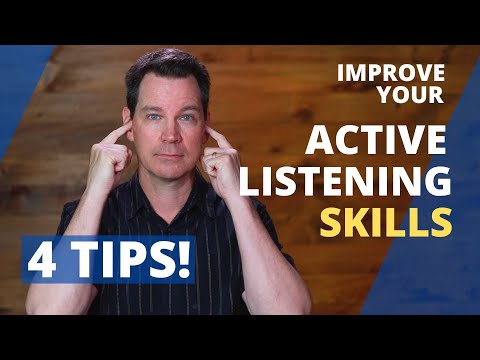
You may also view Communication Coach Alexanders Video on Active Listening Tips

Frequently Asked Questions (FAQs) About Active Listening Skills

Q1: What are active listening skills, and why are they important?

A1: Active listening skills involve fully understanding and responding to a speaker with empathy and attention. These skills are vital for effective communication, building trust, and fostering meaningful relationships both personally and professionally.

Q2: How can I enhance my active listening skills?

A2: You can improve your active listening skills by practicing mindfulness, seeking feedback from others, participating in active listening workshops, and actively applying the five key skills: receiving, understanding, remembering, evaluating, and responding.

Q3: Can active listening skills be developed, or are they innate?

A3: Active listening skills can indeed be developed and refined through practice, self-awareness, and a genuine willingness to engage in meaningful conversations. With dedication and effort, anyone can enhance their active listening abilities.

Q4: How can active listening skills benefit my professional life?

A4: In the professional context, active listening skills can lead to improved collaboration, enhanced problem-solving, stronger leadership, and increased productivity. By understanding your colleagues, clients, and team members better, you can build a more cohesive and efficient work environment.

Q5: Are there specific techniques to remember details from conversations?

A5: Yes, there are techniques to remember details, such as repeating information mentally, taking notes, summarizing key points, and visualizing the conversation. These methods can help reinforce your memory and improve your ability to recall important information.

Q6: Can active listening skills help in conflict resolution?

A6: Absolutely. Active listening skills are invaluable in conflict resolution. By genuinely understanding the perspectives and concerns of all parties involved, you can facilitate open communication, find common ground, and work towards mutually beneficial solutions.

Q7: How can I apply active listening skills in my personal relationships?

A7: Active listening skills can strengthen personal relationships by fostering trust, empathy, and understanding. Practice being fully present during conversations, show genuine interest, and respond thoughtfully to the feelings and concerns of your loved ones.

Q8: Are there any situations where active listening skills are not applicable?

A8: Active listening skills are universally applicable and can be beneficial in all types of situations, including professional meetings, personal conversations, negotiations, interviews, and even casual interactions. Being an active listener enhances communication in any context.

Q9: Can active listening skills be helpful in public speaking or presentations?

A9: Yes, active listening skills are valuable in public speaking and presentations. Understanding the audience’s reactions, adjusting your message based on their responses, and being receptive to their feedback can significantly enhance the impact of your speech or presentation.

Q10: How long does it take to master active listening skills?

A10: The time it takes to master active listening skills varies from person to person. It depends on individual dedication, consistent practice, and the willingness to learn from experiences. With regular effort and mindful application, significant improvement can be achieved over time.

Facebook Account Hacked..!

Step-by-Step Guide: What to Do After Your Facebook Account Hacked and the Attacker Demands Money from Your Contacts

In an era dominated by digital connectivity, our online identities are as vital as our real-world selves. Our Facebook accounts, often a window to our personal lives and social interactions, are particularly vulnerable targets for hackers. The unsettling reality is that once your Facebook account hacked, your personal data, photos, and connections can fall into the wrong hands. To make matters worse, some hackers go a step further and demand money from your contacts, creating a distressing situation for both you and your friends. If you find yourself in this unfortunate scenario, here’s a step-by-step guide to regain control, protect your contacts, and restore your digital security.

Step 1: Remain Calm and Act Swiftly

Discovering that your Facebook account has been hacked is undoubtedly alarming. However, maintaining a clear head is crucial. Panicking can lead to hasty decisions that might exacerbate the situation. Take a deep breath, acknowledge the breach, and move swiftly to take control of the situation.

Step 2: Change Your Password Immediately

The first line of defense is changing your password. Access your Facebook account through a secure device and update your password to a strong, unique combination of letters, numbers, and symbols. Avoid using easily guessable information, such as birthdates or names.

Step 3: Enable Two-Factor Authentication (2FA)

Adding an extra layer of security through 2FA significantly reduces the chances of another breach. Choose between options like receiving authentication codes through text messages, authentication apps, or email. This ensures that even if a hacker possesses your password, they won’t gain access without the second authentication factor.

Step 4: Check and Secure Linked Accounts

Hackers often exploit linked accounts as backdoors into your digital life. Review any accounts connected to your Facebook, such as email, Instagram, or WhatsApp. Update passwords for these accounts as well to minimize the potential damage.

Step 5: Inform Your Contacts

Reach out to your friends and contacts through alternative means, such as text messages or phone calls. Advise them about the hack and ask them not to interact with any suspicious messages from your compromised account. This prevents the attacker from exploiting your contacts for monetary gain.

Step 6: Report the Hack to Facebook

Facebook offers a straightforward process to report a hacked account. Visit the “Help Center” on the platform and follow the guidelines to report the breach. Facebook’s support team can assist in recovering your account and securing it from further threats.

Step 7: Monitor Account Activity

Regularly monitor your account for any unusual activity even after regaining control. Ensure that no unauthorized posts, messages, or friend requests were made during the breach. If you notice any unfamiliar actions, report them immediately.

Step 8: Cybersecurity Checkup

Perform a cybersecurity checkup on all your accounts. Update passwords, enable 2FA, and review privacy settings on your various platforms. This proactive approach minimizes the risk of future breaches.

Step 9: Educate Yourself and Your Contacts

Staying informed about cybersecurity best practices is crucial. Educate yourself and your contacts about common hacking techniques and how to recognize phishing attempts. Awareness is a powerful shield against future attacks.

Step 10: Consider Professional Help

If the hacker demands money from your contacts, it’s advisable to involve law enforcement or a cybersecurity professional. Their expertise can help trace the origins of the attack and potentially prevent further harm.

Facing a hacked Facebook account and the added distress of an attacker demanding money from your contacts is a distressing experience. However, your quick and calculated response can significantly mitigate the damage. By remaining composed, taking decisive actions to secure your account, and educating yourself about online security, you can emerge from this situation stronger and more prepared to safeguard your digital presence. Remember, it’s not just about recovering from the hack; it’s about fortifying yourself against future threats and empowering your contacts to do the same.

Thanks for reading this article. As you continue your journey of empowerment, I invite you to explore more of our engaging articles that delve into various aspects of personal and professional growth. Unlock your potential today – click on ‘Our Blog‘ and ‘How to Guide‘ to fuel your curiosity and embark on a continuous adventure of learning and self-discovery. Your transformation starts now. Happy reading!

How to enhance your adaptability: A Comprehensive Guide

In today’s fast-paced and ever-changing world, adaptability has become a crucial skill that can significantly impact both personal and professional success. As the digital landscape evolves, individuals and businesses must develop the ability to adapt to new challenges, technologies, and trends. In this comprehensive guide, we delve deep into the concept of adaptability, its importance, and practical strategies to enhance your adaptability quotient.

Understanding Adaptability: A Foundation for Success

Adaptability can be defined as the capacity to adjust and thrive in changing environments, circumstances, and situations. It’s about being open to learning, embracing uncertainty, and swiftly acclimating to the demands of the modern world. In a rapidly evolving landscape, adaptability has shifted from being a desirable trait to an essential skill.

The Importance of Enhancing Adaptability

In an era of constant innovation and disruption, individuals who possess high levels of adaptability are better equipped to navigate challenges and seize opportunities. Whether you’re an entrepreneur, professional, or student, cultivating adaptability can lead to:

1. Improved Problem-Solving

Adaptable individuals are more adept at analyzing problems from various angles and devising innovative solutions. They can swiftly assess changing situations and make informed decisions.

2. Increased Resilience

Enhancing adaptability fosters resilience, allowing individuals to bounce back from setbacks and failures. Resilient people view challenges as opportunities for growth and development.

3. Seamless Skill Acquisition

Adaptable individuals embrace continuous learning. They are eager to acquire new skills and knowledge, which is crucial in a world where technologies and industries evolve rapidly.

4. Enhanced Interpersonal Relationships

Adaptability nurtures effective communication and collaboration. People who can adapt to different communication styles and work approaches are more likely to succeed in diverse social and professional settings.

Strategies to Boost Your Adaptability Quotient

Now that we’ve established the significance of adaptability, let’s explore actionable strategies to enhance your adaptability quotient:

1. Embrace Lifelong Learning

Commit to ongoing education and skill development. Attend workshops, webinars, and courses to stay updated with the latest trends in your field. This proactive approach ensures you’re well-prepared for changes.

2. Step Out of Your Comfort Zone

Push yourself to try new experiences and take on challenges that stretch your abilities. Stepping out of your comfort zone fosters adaptability by exposing you to unfamiliar situations.

3. Develop Cognitive Flexibility

Cognitive flexibility involves being open to different perspectives and approaches. Engage in activities that require you to think creatively and consider alternative solutions.

4. Practice Stress Management

Effective stress management is essential for adaptability. Techniques such as mindfulness, meditation, and deep breathing can help you remain calm and composed in the face of change.

5. Foster a Growth Mindset

Cultivate a growth mindset by believing in your ability to develop and improve. Embrace failures as learning opportunities and maintain a positive outlook on challenges.

6. Cultivate Interpersonal Skills

Strong interpersonal skills are crucial for adapting to various social and professional scenarios. Focus on active listening, empathy, and effective communication to build meaningful relationships.

7. Stay Tech-Savvy

In today’s digital age, technological advancements play a pivotal role in shaping industries. Stay updated with technological trends relevant to your field to remain adaptable in a tech-driven environment.

Final Thoughts

In a world characterized by rapid change and innovation, adaptability has become a non-negotiable skill for success. Those who can navigate uncertainty with resilience and open-mindedness are poised to thrive in any situation. By embracing lifelong learning, stepping out of your comfort zone, and fostering a growth mindset, you can enhance your adaptability quotient and position yourself for a future of endless possibilities.

Remember, adaptability is not a trait reserved for the elite few; it’s a skill that can be developed and honed over time. So, embark on this journey of self-improvement and discover the transformative power of adaptability in your personal and professional life.

Exit mobile version