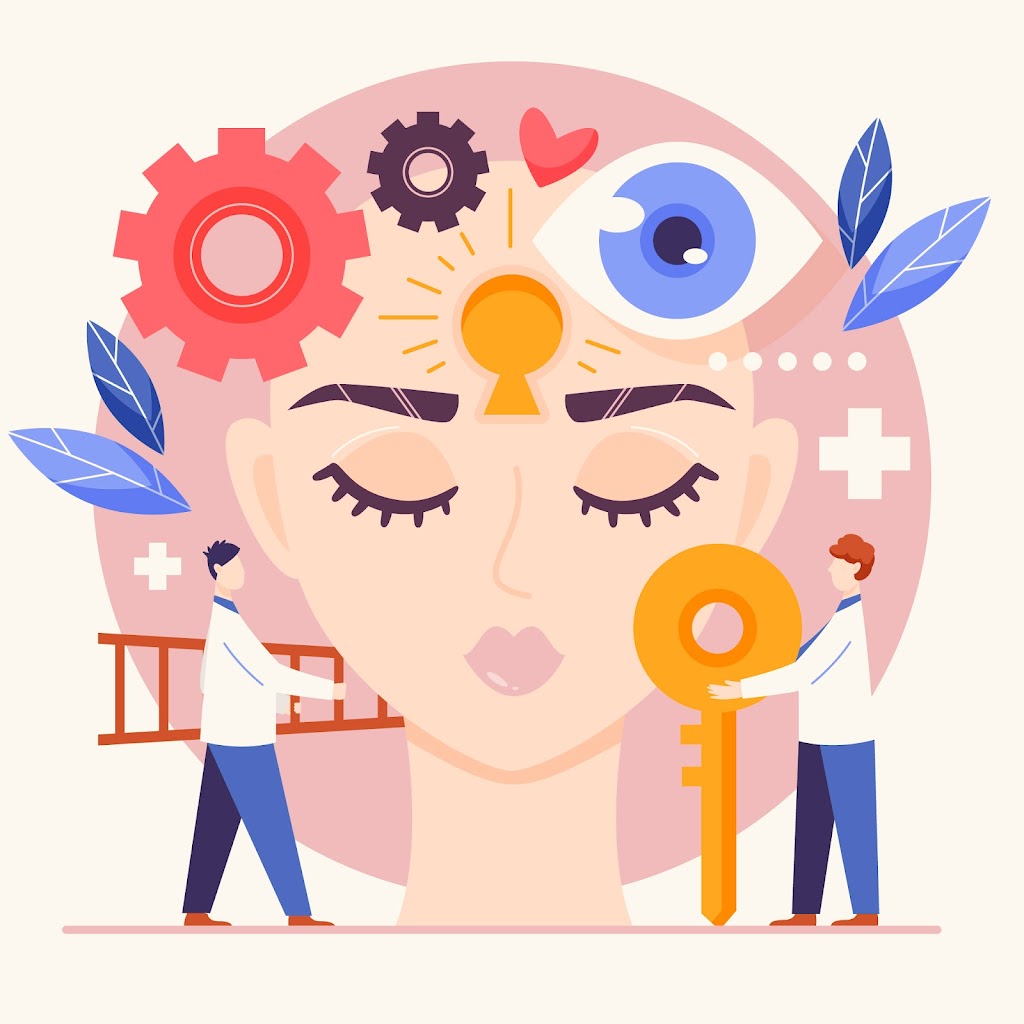
How to control your anger in relationship?

Do you have question in your mind that how to control your anger in relationshi? Then managing anger effectively is an important skill that can greatly improve your relationships and overall well-being. Here are some strategies you can use to manage your anger:

  1. Identify the Indicators: Observe both the physical and emotional signals that signify the emergence of anger within you. This may include increased heart rate, tense muscles, and a rise in irritability. Being aware of these signs can help you intervene before your anger escalates.
  2. Take a timeout: If you feel your anger rising, remove yourself from the situation. Step away, indulge in a leisurely stroll, or locate a serene environment to achieve a state of tranquility. This timeout allows you to gain perspective and prevents you from saying or doing something you might regret.
  3. Practice deep breathing: Deep breathing exercises can help you relax and reduce feelings of anger. Inhale gently and deeply through your nostrils, allowing the air to fill your lungs, and exhale gradually through your mouth, releasing any tension. Focus on your breath, allowing it to bring a sense of calmness to your body and mind.
  4. Use relaxation techniques: Explore different relaxation techniques that work for you, such as progressive muscle relaxation, meditation, or listening to calming music. These techniques can help you release tension and promote a sense of tranquillity.
  5. Challenge your thoughts: Often, anger is fuelled by distorted or exaggerated thoughts. When you find yourself getting angry, challenge these thoughts by asking yourself if there is another way to interpret the situation. Consider alternative perspectives and whether your anger is proportionate to the issue at hand.
  6. Express yourself assertively: Instead of reacting aggressively or suppressing your anger, learn to express it assertively. Communicate your emotions and requirements using “I” statements, effectively conveying your feelings and needs without resorting to accusatory or confrontational language. For instance, express, “I experience frustration when there are interruptions during our conversation,” as opposed to stating, “You consistently disrupt me!”
  7. Practice active listening: Anger can sometimes arise from miscommunication or misunderstandings. Improve your listening skills by giving others your full attention and seeking to understand their perspective. Reflect back what they’ve said to ensure you’ve understood correctly before responding.
  8. Seek support: If you find that anger is significantly impacting your life and relationships, consider seeking support from a therapist or counsellor. They can provide guidance and teach you additional techniques for managing anger effectively.

And understand that managing anger is an ongoing process. Crafting effective strategies for managing challenges and stress requires a dedicated investment of time and consistent effort. Extend kindness to yourself throughout this journey, cherishing even the slightest achievements as meaningful milestones on the path to growth.

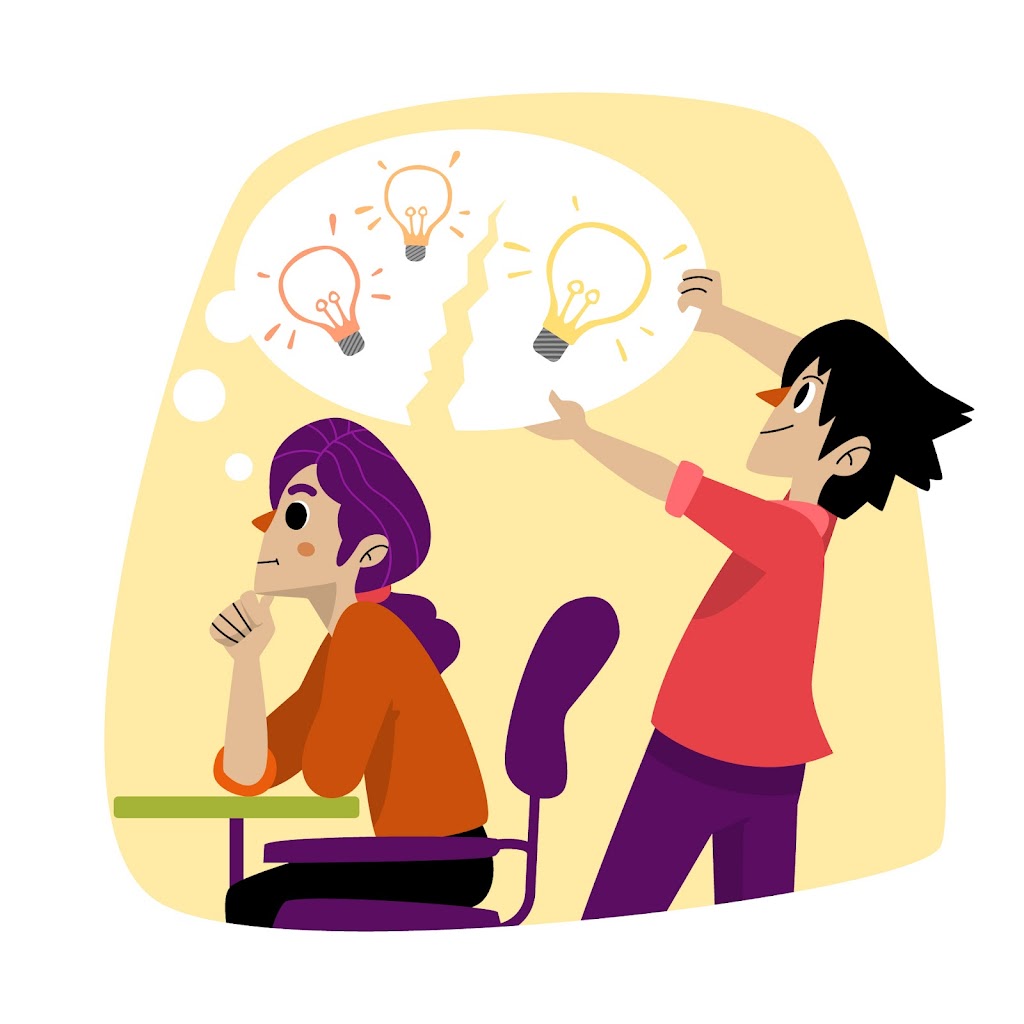
How to develop critical thinking skills?

Developing critical thinking skills is an important aspect of enhancing your analytical and problem-solving abilities. If you have question in your mind that how to develop critical thinking skills; Here are some strategies you can employ to develop and improve your critical thinking skills:

Question assumptions: Challenge your own assumptions and those presented by others. Ask yourself why you hold a certain belief or why something is considered true. Evaluate the evidence and reasoning behind these assumptions.
Seek diverse perspectives: Engage with a variety of viewpoints and perspectives on a particular issue. This helps you understand different angles and forces you to think beyond your own biases.
Analyze and evaluate information: Practice analyzing and evaluating information from various sources. Look for evidence, credibility, and potential biases. Consider the quality and reliability of the information before accepting it as true or valid.
Practice active listening: Develop your listening skills by paying close attention to others’ arguments or ideas. Ask probing questions to clarify their reasoning and ensure you fully understand their perspectives.
Reflect on your own thinking: Regularly reflect on your own thoughts, beliefs, and actions. Identify any cognitive biases or logical fallacies you may be prone to and actively work to overcome them.
Solve problems creatively: Engage in problem-solving activities that require you to think outside the box. Seek alternative solutions and evaluate their pros and cons critically.
Develop logical reasoning: Enhance your logical reasoning skills by studying logic and logical fallacies. Understand how arguments are constructed and how to identify flawed reasoning.
Practice evidence-based decision-making: Base your decisions on solid evidence rather than personal biases or emotions. Seek out relevant data, facts, and research to support your choices.
Embrace uncertainty: Recognize that not all problems have clear-cut solutions or answers. Learn to tolerate ambiguity and develop strategies for dealing with uncertainty.
Engage in debates and discussions: Participate in debates and discussions where you can articulate and defend your ideas while considering opposing viewpoints. This helps sharpen your critical thinking skills and exposes you to different perspectives.
Continuously learn: Foster a mindset of continuous learning and curiosity. Read widely, explore new subjects, and expose yourself to different disciplines to broaden your knowledge base and thinking skills.

Understand that developing critical thinking is an ongoing process that requires practice and patience. By consciously applying these strategies in various aspects of your life, you can gradually enhance your ability to think critically and make sound judgments

How to develop emotional intelligence?

Developing emotional intelligence involves improving your ability to recognize, understand, and manage your emotions, as well as effectively navigate and respond to the emotions of others.Have you a question how to develop emotional intelligence? Here are some steps you can take to develop emotional intelligence:

  1. Self-awareness: Pay attention to your own emotions and become aware of how they affect your thoughts, behaviours, and interactions with others. Reflect on your emotional patterns and triggers and try to understand the underlying reasons for your emotions.
  2. Mindfulness: Practice being present in the moment and observe your thoughts and feelings without judgment. Mindfulness exercises, such as meditation or deep breathing, can help you develop a greater sense of self-awareness and control over your emotions.
  3. Empathy: Cultivate empathy by seeking to understand and share the feelings of others. Listen attentively, ask open-ended questions, and try to put yourself in their shoes. Recognize and validate their emotions without judgment or criticism.
  4. Emotional regulation: Acquire the skills to proficiently manage and govern your emotions. Identify healthy coping mechanisms that work for you, such as deep breathing, journaling, or engaging in physical activity. Take breaks when needed and practice self-care to reduce stress levels.
  5. Social skills: Enhance your interpersonal skills by improving your communication, conflict resolution, and relationship-building abilities. Practice active listening, assertive communication, and nonverbal cues to effectively express yourself and understand others.
  6. Self-reflection: Regularly reflect on your thoughts, emotions, and behaviours. Consider how your actions and reactions impact those around you. Take responsibility for your emotions and actions and seek opportunities for personal growth and development.
  7. Seek feedback: Ask for feedback from trusted friends, family members, or colleagues about how you handle emotions and interact with others. Their insights can provide valuable perspectives and help you identify areas for improvement.
  8. Continuous learning: Read books, attend workshops, or take courses on emotional intelligence and related topics. Stay open to new ideas and perspectives, and actively seek opportunities to learn and grow in your understanding of emotions and their impact on yourself and others.

Everybody must have to understand that developing emotional intelligence is a lifelong journey, and it takes time and practice. Exercise patience with yourself and commemorate the minor achievements throughout your journey.

How to adapt to change?

Adapting to change is an important skill in today’s rapidly evolving world. Here are some suggestions on how to adapt to change:

Embrace a Growth Mindset: Adopt a mindset that views change as an opportunity for growth and learning. Recognize that change can lead to new experiences, challenges, and possibilities.

Acceptance and Awareness: Acknowledge that change is inevitable and that resisting it only prolongs the process. Be aware of your emotions and any resistance you may feel and strive to accept the reality of the situation.

Stay Positive: Maintain a positive outlook and focus on the potential benefits that change can bring. This will help you approach new situations with optimism and resilience.

Be Flexible and Open-Minded: Cultivate a flexible mindset that is open to new ideas, perspectives, and ways of doing things. Be willing to adapt your thoughts, behaviours, and strategies to align with the changing circumstances.

Learn and Acquire New Skills: View change as an opportunity to develop new skills and acquire knowledge. Seek out learning opportunities, whether through formal education, online courses, or self-study. This will enhance your ability to adapt to different situations.

Build a Support Network: Surround yourself with a supportive network of family, friends, and colleagues who can provide encouragement, advice, and assistance during times of change. Share your thoughts and concerns with them and seek their guidance when needed.

Practice Self-Care: Take care of your physical, mental, and emotional well-being during times of change. Engage in activities that help you relax, reduce stress, and maintain balance in your life. This encompasses activities such as engaging in physical exercise, practicing meditation, immersing oneself in natural surroundings, or indulging in enjoyable hobbies.

Set Achievable Goals: Formulate attainable goals and divide them into manageable stages. Having clear objectives can provide a sense of direction and purpose during periods of change.

Emphasize Adaptability and Resilience: Cultivate adaptability and resilience as core qualities. Recognize that setbacks and challenges are part of the change process and focus on developing the skills to bounce back and recover from them.

Seek Opportunities for Growth: Look for opportunities to grow and develop within the changing circumstances. This could involve taking on new responsibilities, volunteering for challenging projects, or pursuing new career paths.

Remember, adapting to change is a process that takes time and effort. Be patient with yourself and others as you navigate through different phases of change, and celebrate your successes along the way.

How to maintain healthy relationship?

Maintaining a healthy relationship requires effort, communication, and mutual respect from both parties involved. If you are thinking about How to maintain healthy relationship? Here are some general tips to help you maintain a healthy relationship:

  1. Effective communication: Transparent and sincere communication forms the foundation of all thriving relationships. Express your thoughts, feelings, and needs clearly, and actively listen to your partner. Avoid assumptions and try to resolve conflicts through calm and respectful discussions.
  2. Mutual respect: Treat your partner with respect and expect the same in return. Respect their boundaries, opinions, and individuality. Avoid belittling, criticizing, or controlling behaviours, and encourage a supportive and nurturing environment.
  3. Quality time together: Devote meaningful moments to your significant other, participating in pursuits that bring joy to you both. This can strengthen your bond and create positive memories. Make an effort to prioritize each other amidst busy schedules and maintain a healthy balance between personal and relationship time.
  4. Trust and honesty: Trust plays a crucial role in fostering a robust and thriving relationship. Be honest and transparent with your partner and trust them in return. Trust builds over time through consistent and reliable behaviour. If trust is broken, work together to rebuild it through open communication and addressing underlying issues.
  5. Support and empathy: Show empathy and support for your partner’s dreams, goals, and challenges. Celebrate their successes and offer a helping hand during difficult times. Emotional support, understanding, and validation can strengthen your connection and foster a deeper bond.
  6. Individuality and personal space: Encourage each other’s personal growth and maintain individual interests and hobbies. Honor one another’s requirement for personal room and moments of solitude. Remember, a healthy relationship allows for independence while maintaining a strong connection.
  7. Compromise and forgiveness: Relationships require compromise and understanding. Be open to finding middle ground and discovering resolutions that benefit both parties. Cultivate the ability to pardon each other’s errors and release any lingering resentments. Clinging onto former grievances has the potential to taint a relationship.
  8. Intimacy and romance: Keep the spark alive in your relationship through physical affection, intimacy, and romance. Show affection, express love, and make an effort to keep the romance alive. Small gestures of love and appreciation can make a significant difference.

Remember, every relationship is unique, and it’s essential to tailor these tips to fit your specific situation. Regularly assess your relationship, address any concerns or issues promptly, and continue to invest time and effort into nurturing a healthy and fulfilling connection.

Exit mobile version