Mastering Written Communication: Your Gateway to Success

In the realm of life skills, few are as indispensable as the art of written communication. As a freelance trainer deeply passionate about empowering individuals and organizations, I have witnessed firsthand the transformative power of effective expression. Words, carefully crafted and thoughtfully delivered, have the ability to shape narratives, foster connections, and drive profound change.

The Impact of Written Communication: A Potent Tool for Transformation

In today’s fast-paced world, where digital interactions dominate, mastering the nuances of written communication is non-negotiable. Whether it’s drafting a persuasive email, composing a compelling proposal, or even expressing your thoughts eloquently on social media, the ability to convey messages clearly and convincingly holds unparalleled significance.

Key Skills for Mastering Written Communication

Clarity and Precision: Crafting Messages that Leave No Room for Misinterpretation

Mastering written communication starts with the ability to convey ideas clearly and precisely. Messages should be crafted with utmost clarity, leaving no room for confusion or misinterpretation. This involves organizing thoughts logically, using straightforward language, and structuring sentences and paragraphs in a coherent manner. Ambiguity can lead to misunderstandings, so a key skill is to express complex ideas in a simple, understandable way, ensuring that readers grasp the intended message effortlessly.

Empathy in Communication: Understanding the Audience’s Perspective for Impactful Dialogue

Empathy plays a pivotal role in effective written communication. Understanding the perspective of your audience allows you to tailor your message in a way that resonates with them. It involves putting yourself in their shoes, considering their emotions, concerns, and expectations. Empathetic communication acknowledges the reader’s feelings and addresses their needs. By recognizing and respecting the reader’s viewpoint, your message becomes relatable and fosters a stronger connection, leading to more impactful and meaningful dialogue.

Grammar and Syntax: Building a Strong Foundation for Effective Communication

A solid grasp of grammar and syntax is the backbone of effective written communication. Proper grammar ensures that sentences are structured correctly, enhancing the clarity and readability of your message. It involves understanding the rules governing sentence construction, punctuation, and word usage. Mastery over grammar not only prevents misunderstandings but also lends credibility to your writing. Syntax, or sentence structure, influences the flow of ideas. By using varied sentence structures, you can create rhythm and emphasis, making your writing engaging and dynamic.

Embracing Technology: Leveraging Digital Tools for Seamless Communication Experiences

In the digital age, embracing technology is essential for seamless communication experiences. Digital tools can enhance your written communication in various ways. Spell checkers and grammar correction tools help in eliminating errors, ensuring your message is polished and professional. Collaboration platforms enable real-time editing and feedback, facilitating efficient teamwork. Social media and online platforms provide avenues for reaching wider audiences. Embracing technology also means understanding the nuances of digital communication, such as email etiquette and online professionalism, ensuring that your written communication aligns with the digital context.


The Power of Words in Personal and Professional Growth

Words, when harnessed effectively, can open doors to numerous opportunities. They can inspire teams, engage clients, and foster collaborations. Moreover, honing your written communication skills can boost your confidence, enhance your problem-solving abilities, and make you a more effective leader.

Leveraging Written Communication for Organizational Excellence

Enhancing Team Collaboration: Effective Communication as the Cornerstone of Successful Teamwork

Effective team collaboration is not just about individuals working together; it’s about how they communicate and connect. Clear, open, and respectful communication is the very foundation upon which successful teamwork is built. It involves active listening, sharing ideas openly, and ensuring that everyone is on the same page. When team members communicate effectively, they can align their goals, distribute tasks efficiently, and foster an environment of trust and cooperation.

Team collaboration thrives on transparent communication channels. Regular team meetings, brainstorming sessions, and project updates ensure that everyone is aware of the progress and challenges faced by the team. Moreover, effective communication encourages the sharing of diverse perspectives, which can lead to innovative solutions and creative problem-solving.

Client Relationships: Building Trust and Rapport Through Clear, Respectful, and Timely Communication

Client relationships are the lifeblood of any business, and clear communication is the key to building and maintaining trust with clients. Clients need to feel valued and understood, and this begins with active listening and empathetic communication. By genuinely understanding the client’s needs, concerns, and expectations, businesses can tailor their services to meet those requirements effectively.

Respectful communication involves addressing client queries and issues promptly and professionally. Timely responses to emails and calls, coupled with clear and concise explanations, not only solve problems efficiently but also demonstrate the organization’s commitment to customer satisfaction. Building rapport is an ongoing process; regular updates, personalized interactions, and going the extra mile can strengthen the bond between a business and its clients.

Conflict Resolution: Navigating Challenges with Diplomacy and Tact Through Written Correspondence

Conflicts are inevitable in any team or workplace. However, how these conflicts are resolved can make a significant difference in the work environment. Written correspondence, such as emails or official letters, can be powerful tools for resolving conflicts when approached with diplomacy and tact.

During conflict resolution, it’s crucial to remain calm and composed. Address the issue directly, focusing on specific problems rather than personal attacks. Clearly state the concerns, listen to the other party’s perspective, and find common ground. In written communication, the tone of the message matters greatly. It should be respectful, objective, and solution-oriented. Avoiding blame and focusing on finding mutually beneficial solutions can transform a conflict into an opportunity for growth and understanding.

Leadership Communication: Influencing and Inspiring Others Through Articulate Expression

Leadership communication goes beyond just conveying information; it’s about inspiring, motivating, and influencing others. Leaders who communicate effectively can foster a sense of purpose and direction among their team members. Articulate expression involves not only choosing the right words but also understanding the emotions and perspectives of the audience.

Leaders can inspire others by sharing a compelling vision, setting clear goals, and providing constructive feedback. An effective leader communicates confidence, empathy, and integrity. They are approachable, open to feedback, and encourage a culture of open communication within the organization. Through their articulate expression, leaders can instill confidence in their team, boost morale, and drive the entire organization toward shared objectives.

Embracing the Journey of Lifelong Learning

In our rapidly evolving world, where communication landscapes continue to shift, the journey of mastering written communication is continuous. It’s about adapting to new mediums, understanding diverse perspectives, and constantly refining your approach. As a trainer dedicated to fostering growth, I invite you to embark on this journey with curiosity and determination.

Unlock Your Full Potential: Start Today!

Empower yourself with the life-changing skill of written communication. Practice, seek feedback, and never cease to refine your abilities. Remember, every word you write has the potential to make a difference, be it in your personal relationships or your professional endeavors.

Suggested Website Article References:

  1. Reference Article By Studysmarter on Written Communication

Conclusion: Your Words, Your Power

In conclusion, mastering written communication is not just a skill; it’s a superpower. It’s the key that unlocks doors, bridges gaps, and fosters meaningful connections. As you embark on this journey, remember that every word you write has the potential to create a lasting impact. Embrace the power of written communication and let your words pave the way to your success.

Continue your journey of learning and empowerment. Explore more insightful articles on our website’s blog section. For hands-on training and personalized guidance, reach out to me directly. Your transformative journey begins with the first word you write. Seize the pen and script your success story today!

Frequently Asked Questions (FAQs)

1. What is the importance of mastering written communication skills in today’s digital age?
Mastering written communication skills is crucial in the digital age as it enables clear, effective, and impactful communication in various contexts, including professional settings, personal relationships, and online interactions. It ensures that messages are understood, reduces misunderstandings, and fosters meaningful connections.

2. How can clarity and precision in written communication benefit my professional life?
Clarity and precision in written communication enhance professionalism by ensuring that your ideas are conveyed clearly and succinctly. This skill minimizes confusion, boosts your credibility, and strengthens your ability to persuade and influence others, making a positive impact on your career.

3. How does empathy in communication contribute to successful written interactions?
Empathy in communication allows you to understand the perspective and emotions of your audience. By crafting messages that resonate with their feelings and concerns, you can create a stronger connection. Empathetic communication fosters trust, enhances relationships, and encourages open dialogue, leading to more effective written interactions.

4. Why is a strong foundation in grammar and syntax essential for effective written communication?
A strong grasp of grammar and syntax ensures that your writing is clear, coherent, and grammatically correct. Proper sentence structure and punctuation enhance readability and understanding. Proficient grammar skills project professionalism and attention to detail, making your written communication more impactful and persuasive.

5. How can embracing technology improve my written communication skills?
Embracing technology offers various tools and platforms that aid in improving written communication. Spell checkers, grammar correction tools, and digital collaboration platforms enhance the accuracy and efficiency of your communication. Additionally, understanding digital communication etiquette enables you to navigate online interactions professionally and effectively.

6. Can mastering written communication skills help in resolving conflicts?
Yes, mastering written communication skills, especially diplomacy and tact, can be invaluable in conflict resolution. Clear, respectful, and empathetic communication can help address conflicts objectively, find common ground, and reach mutually beneficial solutions. Written correspondence allows for thoughtful expression, enabling parties to resolve disputes with understanding and respect.

7. How can I continue to improve my written communication skills after reading this article?
Continuously improving your written communication skills involves practice, feedback, and learning from diverse sources. Engage in writing exercises, seek feedback from peers or mentors, read extensively to understand different writing styles, and stay updated with the latest trends in written communication. Consider enrolling in writing workshops or online courses for further enhancement.
Power of Nonverbal Communication: Mastering the Art of Influence

In the rich fabric of human connections, communication stretches beyond mere words. It ventures into the realm of Nonverbal Communication, a dynamic language often underestimated but incredibly influential. As someone deeply committed to helping individuals and companies unlock their full potential, I’m thrilled to take you on a journey of discovery. Throughout this article, we’ll uncover the hidden signals that guide our interactions, delving into the profound impact of Nonverbal Communication.

Body Language:

Alright, let’s break it down. You ever heard of body language? It’s like this secret code we all use to communicate without saying a word. Picture this: when you’re sitting up straight, nodding along, and giving a warm smile, that’s your body language shouting, “Hey, I’m open, confident, and totally approachable!” But, on the flip side, if you’re slouching, crossing your arms, or avoiding eye contact, it’s like putting up a big “Do Not Disturb” sign. Negative body language can throw up barriers and lead to all sorts of misunderstandings. So, it’s pretty clear that mastering the art of positive body language can seriously up your communication game.

Examples of Body Language:

Let’s dive into some key aspects of nonverbal communication that can really make a difference in your interactions with others.

  • Open Posture: So, ever heard of open posture? It’s all about how you carry yourself, like when you stand or sit with your arms and legs uncrossed. This signals openness and confidence. Think about it like this: when you’re all closed off, with crossed arms and legs, it can give off vibes of defensiveness or disinterest. But when you’re open, it’s like you’re saying, “Hey, I’m here, I’m engaged, let’s chat!”
  • Gestures: Now, let’s talk gestures. You know those hand movements people make when they’re talking? They’re not just random flailing—well, sometimes they are—but most of the time, they’re emphasizing points or showing enthusiasm. It’s like your body’s way of adding extra oomph to your words. So next time you’re chatting away, don’t be afraid to let your hands do the talking too!.
  • Eye Contact: Ever have a conversation with someone who just won’t look you in the eye? It can feel pretty awkward, right? That’s because maintaining eye contact signifies interest and attentiveness. It’s like you’re saying, “I see you, I hear you, and I’m right here with you in this conversation.
  • Mirroring: And here’s a cool trick- Mirroring. Ever notice how sometimes you start adopting the same body language as the person you’re talking to? It’s not just a coincidence—it’s mirroring, and it’s a powerful tool for building rapport and trust. So if you find yourself subtly imitating someone’s gestures or posture, don’t worry, you’re just forging a deeper connection without even realizing it!.

Facial Expressions:

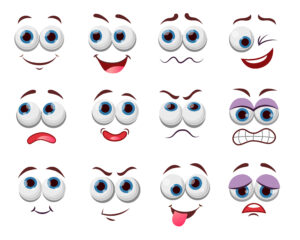
You know, facial expressions—they’re like the superheroes of communication. Think about it: Different muscles in your face team up to create all these expressions, showing everything from joy to anger, surprise to sadness, and a whole lot more. And here’s the thing: We all just naturally react to these expressions, like it’s hardwired into us or something. That’s why they’re such a big deal when it comes to getting your message across.

Common Facial Expressions:

Hey there! Let’s talk about some common nonverbal cues that we encounter every day:

  1. Smiling: You know that warm feeling you get when someone flashes you a smile? It’s not just a random facial expression. Smiling typically indicates happiness, friendliness, or agreement. So, next time you’re feeling good, don’t hesitate to spread some smiles around!
  2. Frowning: Ever had one of those moments where something just doesn’t sit right with you? That’s when you might find yourself frowning. This facial expression usually signifies confusion, disagreement, or concern. So, if you see someone frowning, it might be a good idea to check in and see what’s on their mind.
  3. Raised Eyebrows: Picture this: You’re telling a story, and something unexpected happens. That’s when you might notice your eyebrows shooting up in surprise. Raised eyebrows are a subtle yet effective way of showing surprise or interest. It’s like your face saying, “Wow, I didn’t see that coming!”
  4. Nodding: Have you ever been in a conversation where you’re really connecting with the other person? Chances are, you found yourself nodding along as they spoke. That’s because nodding is a nonverbal way of indicating agreement, understanding, or active listening. It’s like saying, “I’m with you on this.”

These are just a few examples of how our nonverbal cues can speak volumes without us even saying a word!

Gestures:

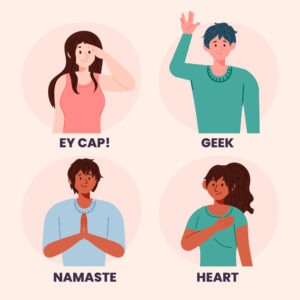
Alright, let’s talk about gestures. You know, those hand movements and body motions we use to emphasize what we’re saying? They’re pretty powerful. Gestures can really enhance our message and make communication more interesting. But here’s the thing: the meaning of gestures can change depending on where you are in the world. So, it’s super important to be aware of cultural differences when you’re communicating without words.

Types of Gestures:

  1. Descriptive Gestures: Imagine you’re explaining something, and you use your hands to show the size, shape, or movement of an object. That’s a descriptive gesture. It’s like painting a picture with your hands to help the listener understand better.
  2. Emphatic Gestures: Ever seen someone really get into their story and use big hand movements to drive their point home? Those are emphatic gestures. They add power and emphasis to what you’re saying, like highlighting the most important parts of your message.
  3. Beat Gestures: Have you noticed how sometimes people’s hand movements seem to dance along with their words? That’s beat gestures. They follow the rhythm of speech, almost like a conductor guiding a musical performance. Beat gestures help emphasize key points and keep the conversation flowing smoothly.
  4. Regulators: Picture this: you’re having a conversation with someone, and they nod their head or raise their hand to indicate they want to speak. That’s a regulator in action. Regulators help control the flow of conversation, signaling when it’s time to speak or when it’s time to listen. They keep the interaction organized and ensure everyone gets a chance to contribute.

nderstanding and interpreting body language, facial expressions, and gestures? It’s like unlocking a whole new level of communication skills. Seriously, it’s a game-changer. Why? Because it helps you get what others are saying without them even speaking a word. And not just that, it amps up your own ability to express yourself too. Imagine being able to convey exactly what’s on your mind, loud and clear, without even saying a single sentence. That’s the power of mastering nonverbal communication—it leads to deeper, more meaningful interactions all around.

The Silent Language: Decoding Nonverbal Communication

Imagine stepping into the captivating world of Nonverbal Communication, where every tilt of the head, every flicker of the eye, becomes a profound statement. It’s like entering a realm where words take a backseat, and body language reigns supreme. Here, nuances like a confident handshake, a genuine smile, or a subtle nod hold more significance than a thousand words ever could. These silent messengers, comprising body language, facial expressions, and gestures, possess the power to shape our relationships, both personally and professionally.

Now, let’s unravel the mystery behind the mastery of Nonverbal Communication. Have you ever marveled at how effortlessly leaders inspire trust or wondered how some individuals seamlessly navigate social situations? The secret lies in their adeptness at decoding and utilizing nonverbal cues. Through subtle shifts in posture, eye contact, and hand gestures, they convey authority, empathy, or assertiveness. It’s like they speak a language beyond words, one that transcends barriers and resonates deeply with those around them.

Building Rapport Through Nonverbal Signals

Building meaningful connections is crucial. Nonverbal Communication is the key. Whether you’re in a boardroom or having a casual chat, establishing rapport is essential for success. So, how do we do it?

Mastering Nonverbal Communication: A Pathway to Success

In the corporate world, Nonverbal Communication is a game-changer. It impacts leadership, negotiations, and resolving conflicts. Executives who understand it gain a competitive edge. We’ll share real-life examples and case studies to show you how mastering these skills can elevate your professional journey.

Embracing Nonverbal Communication in Daily Life

But it’s not just about work. Nonverbal Communication enriches personal relationships too. From family bonds to romance, it’s the glue that holds us together. We’ll explore how simple changes in your nonverbal cues can strengthen relationships, resolve conflicts, and deepen emotional connections.

Conclusion: Empowering Lives Through Nonverbal Communication

As we wrap up our journey through the fascinating world of nonverbal communication, I want to encourage you to embrace its incredible power. Understanding these subtle cues can truly transform your interactions, leading to better communication, stronger relationships, and greater success in all aspects of life. So, where does the journey to mastering nonverbal communication begin? It starts with awareness and practice. Take notice of the signals you’re sending and receiving every day, and don’t be afraid to practice and refine your skills. With dedication and effort, you’ll unlock doors to a whole new level of connection and understanding.

Suggested Website Article References:

  1. Reference: https://www.verywellmind.com/types-of-nonverbal-communication-2795397

Suggested YouTube Video Refere

Continue Your Learning Journey

For further insights on communication skills, leadership, and personal development, explore our website’s rich repository of knowledge. Engage with our thought-provoking articles and in-depth guides tailored to empower you on your journey to self-discovery and growth.

Thank you for embarking on this enlightening exploration of Nonverbal Communication. May your newfound understanding of this silent language guide you towards a future filled with meaningful connections and boundless opportunities.

FAQs on Nonverbal Communication:

Q1: What is nonverbal communication, and why is it important?

Nonverbal communication refers to the transmission of messages or information without the use of words. It includes facial expressions, body language, gestures, tone of voice, and other forms of expression. Nonverbal cues often convey emotions, attitudes, and intentions, adding depth and nuance to verbal communication.

Q2: How does body language influence communication?

Body language plays a significant role in communication by conveying emotions, confidence, and receptivity. Positive body language, such as maintaining eye contact and open posture, can enhance trust and understanding, while negative body language may lead to misunderstandings or barriers in communication.

Q3: What are some common facial expressions and their meanings?

Facial expressions, like smiling, frowning, and raised eyebrows, convey various emotions and reactions. Understanding these expressions can help in interpreting others’ feelings and responding appropriately in different social situations.

Q4: How do cultural differences affect nonverbal communication?

Cultural norms influence gestures, facial expressions, and other nonverbal cues. What is considered polite or rude in one culture might be interpreted differently in another. It’s crucial to be aware of these differences to avoid misunderstandings and promote effective cross-cultural communication.

Q5: Can nonverbal communication be misinterpreted?

Yes, nonverbal cues can be misinterpreted, leading to misunderstandings or conflicts. Factors such as context, cultural differences, and individual variations can contribute to misinterpretation. Developing active listening skills and being aware of the context can help in accurately understanding nonverbal messages.

Q6: How can one improve their nonverbal communication skills?

Improving nonverbal communication skills involves self-awareness, observation, and practice. Being mindful of your own body language, practicing active listening, and observing others’ nonverbal cues can enhance your ability to communicate effectively without words.

Q7: What role does tone of voice play in nonverbal communication?

Tone of voice, including pitch, volume, and intonation, conveys emotions and attitudes. It can indicate sarcasm, enthusiasm, anger, or empathy, significantly impacting the overall message being communicated. Paying attention to tone of voice is essential for understanding the speaker’s intended meaning.

Q8: Can nonverbal communication be used in professional settings?

Yes, nonverbal communication is crucial in professional settings. It influences job interviews, presentations, negotiations, and teamwork. Employing positive nonverbal cues can enhance professionalism, credibility, and interpersonal relationships in the workplace.

Q9: Are there gender differences in nonverbal communication?

Research suggests that there are some differences in nonverbal communication patterns between genders. For instance, women might use more facial expressions, while men might use more gestures. However, these differences can vary widely among individuals, and it’s essential not to generalize.

Q10: How can nonverbal communication improve personal relationships?

In personal relationships, nonverbal cues help express emotions, intimacy, and trust. Understanding your partner’s nonverbal signals and being aware of your own can lead to better communication, emotional connection, and overall relationship satisfaction.

Exit mobile version