The Importance of Personal Life Skills: Nurturing Growth and Success

The Importance of Personal Life Skills: Nurturing Growth and Success

In today’s fast-paced and complex world, possessing personal life skills is paramount to navigate through the challenges and achieve personal growth and success. Personal life skills encompass a wide range of abilities that enable individuals to effectively manage their emotions, communicate effectively, make informed decisions, solve problems, and maintain healthy relationships. Developing and honing these skills is an ongoing process that empowers individuals to overcome obstacles, adapt to change, and lead fulfilling lives. This article explores the significance of personal life skills and highlights their relevance in various aspects of life.


Effective Communication: Effective communication is an indispensable skill that influences every aspect of life. It encompasses not only verbal expression but also active listening, non-verbal cues, and the ability to convey ideas clearly. Good communication skills enable individuals to articulate their thoughts, express their needs, and understand others’ perspectives. This skill is vital in personal relationships, teamwork, leadership roles, and professional interactions. It fosters understanding, prevents misunderstandings, and promotes cooperation, ultimately leading to better outcomes and stronger connections.

Critical Thinking and Problem Solving: Critical thinking and problem-solving skills empower individuals to analyze situations, evaluate information, and make informed decisions. These skills involve the ability to think logically, consider multiple perspectives, and identify effective solutions. Individuals proficient in critical thinking are better equipped to face challenges, adapt to change, and overcome obstacles. They can approach problems creatively, break them down into manageable parts, and apply systematic strategies to find viable solutions. These skills are particularly valuable in academic pursuits, professional settings, and everyday decision-making.
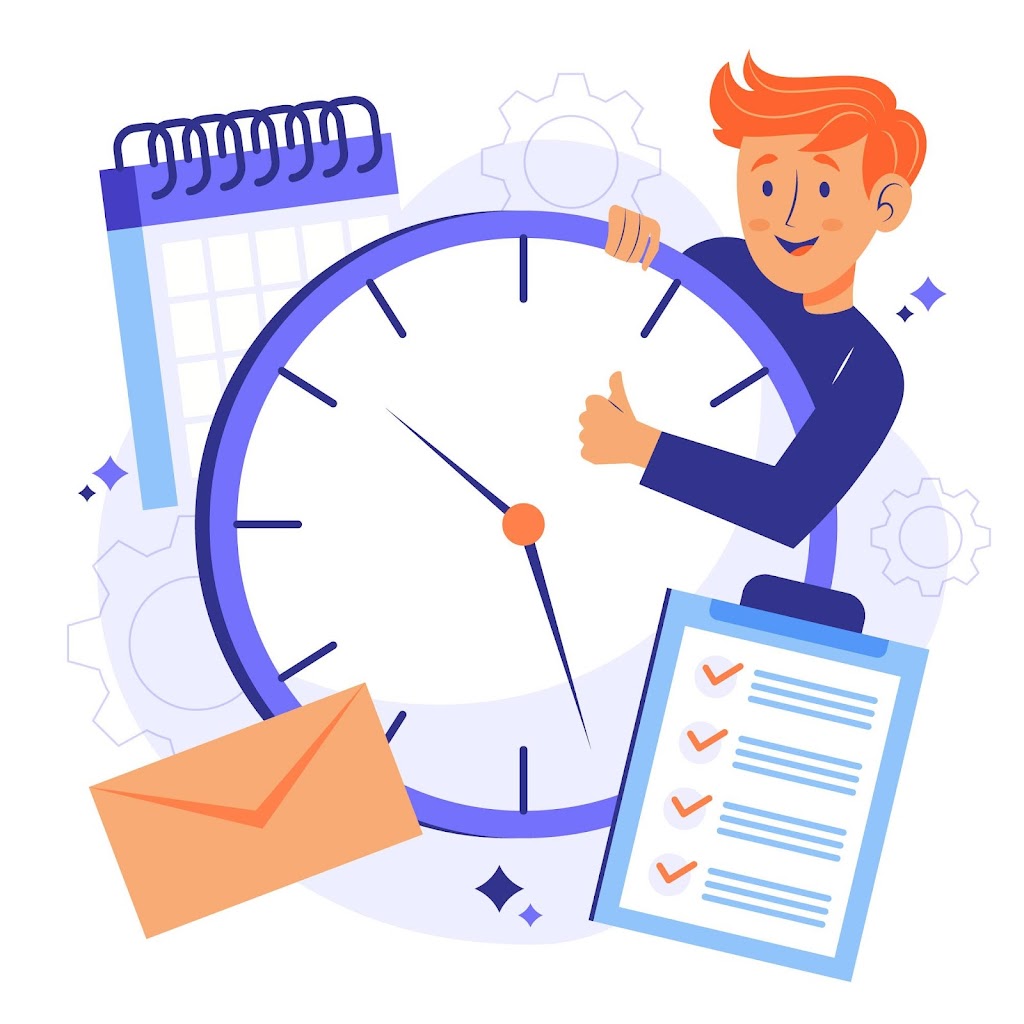
Time Management and Organization: Time management and organizational skills are essential for maximizing productivity and achieving personal goals. Effective time management involves setting priorities, planning tasks, and allocating resources efficiently. It enables individuals to balance their commitments, meet deadlines, and maintain a healthy work-life balance. Organization skills, including managing schedules, maintaining orderliness, and utilizing tools such as calendars and to-do lists, contribute to increased efficiency and reduced stress. These skills are instrumental in meeting personal and professional obligations and fostering a sense of control and accomplishment.
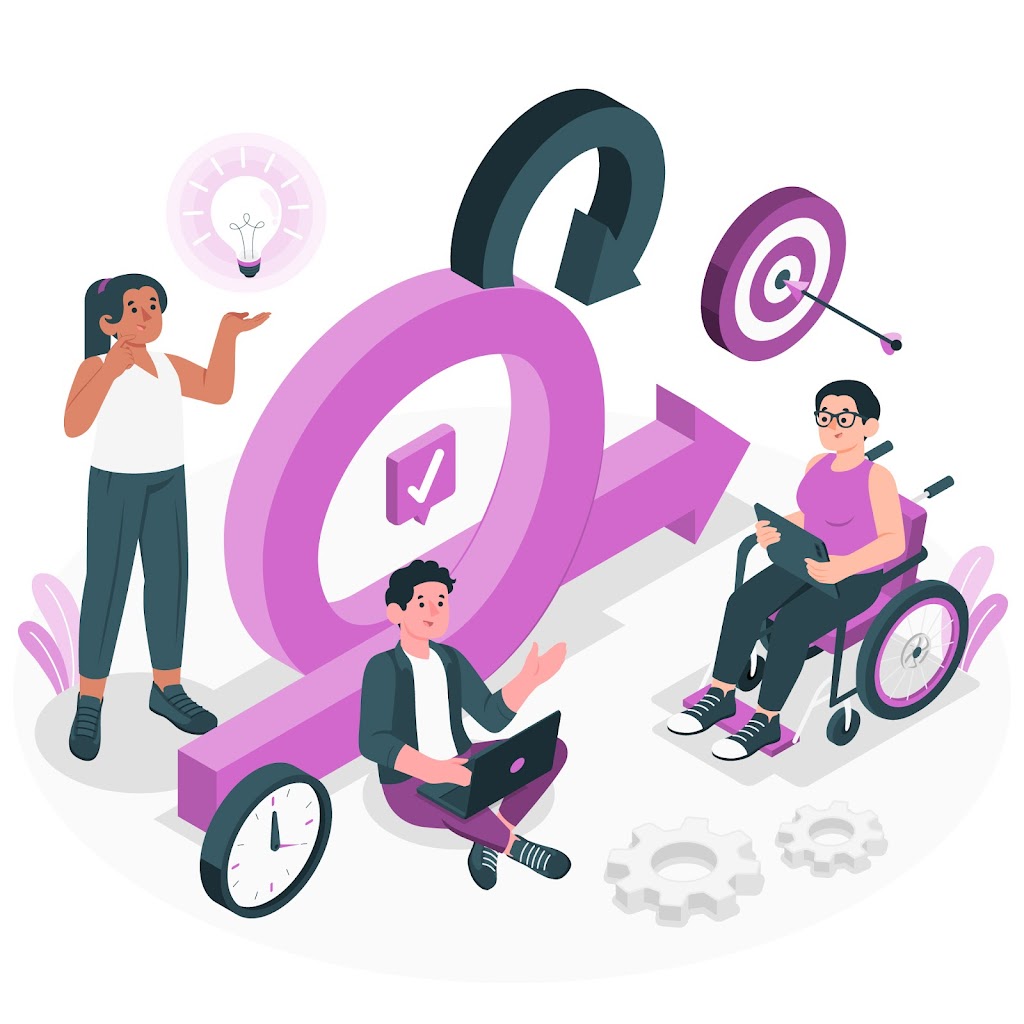
Adaptability and Resilience: In an ever-changing world, adaptability and resilience are crucial personal life skills. These skills allow individuals to navigate uncertainty, overcome setbacks, and bounce back from challenges. Being adaptable involves embracing change, adjusting to new circumstances, and embracing a growth mindset. Resilience entails developing emotional strength, learning from failures, and persisting in the face of adversity. Both skills are essential for personal growth, professional success, and maintaining well-being in the face of life’s ups and downs.

 “Essential life skills serve as invaluable tools, empowering individuals to adeptly navigate life’s intricacies, conquer hurdles, and attain personal growth and triumph. Emotional intelligence, effective communication, critical thinking, time management, adaptability, and resilience form the pillars of personal life skills. By cultivating and nurturing these abilities, individuals can enhance their relationships, improve their decision-making, and thrive in various domains of life. Developing these skills is a lifelong process that requires self-reflection, practice, and a willingness to learn and grow. By investing in personal life skills, individuals lay the foundation for a fulfilling and prosperous future.”

Life Skills – A Path to Personal and Professional Success

Mastering Life Skills: A Path to Personal and Professional Success

Life is a journey filled with challenges, opportunities, and experiences that shape who we are and what we become. In this dynamic and fast-paced world, possessing a set of essential life skills is paramount to navigate through the complexities of modern living. Life skills are not only critical for personal growth and development but also play a significant role in achieving professional success. In this article, we will delve into the importance of life skills, explore key categories of these skills, and discuss how they contribute to a fulfilling and prosperous life.

Life skills are the abilities we need to successfully  navigate and interact with the world around us. They can be broadly categorized into personal, social, and practical skills.

Personal life skills include things like self-awareness, self-management, and decision-making. These skills help us understand our emotions, set goals, and make choices that align with our values.

Social life skills include communication, empathy, and relationship-building. These skills help us collaborate with others, manage conflicts, and build positive friendships and partnerships.

Practical life skills include things like time management, money management, and problem-solving. These skills help us manage our daily lives, take care of ourselves and our families, and navigate complex systems like healthcare and the legal system.

Understanding Life Skills

Life skills are the abilities and competencies that enable individuals to effectively handle various situations, make informed decisions, and adapt to changing circumstances. These skills encompass a wide range of abilities, including cognitive, interpersonal, emotional, and practical skills. While formal education equips us with academic knowledge, life skills empower us with the tools to navigate real-world challenges and interactions.

Key Categories of Life Skills

Life skills can be categorized into several key areas, each contributing to a holistic and well-rounded individual. Let’s explore some of these categories:

  1. Communication Skills: Effective communication is the foundation of meaningful relationships and successful interactions. This skill involves not only articulating thoughts clearly but also active listening, empathy, and understanding non-verbal cues. Improved communication skills foster better collaboration, conflict resolution, and the ability to express ideas persuasively.
  2. Critical Thinking and Problem-Solving: Critical thinking enables individuals to analyze situations, evaluate information, and make well-reasoned decisions. Problem-solving skills involve identifying challenges, devising creative solutions, and implementing effective strategies. These skills are essential for overcoming obstacles and making informed choices.
  3. Emotional Intelligence: Emotional intelligence involves recognizing, understanding, and managing one’s own emotions as well as empathizing with the emotions of others. Developing emotional intelligence enhances self-awareness, interpersonal relationships, and the ability to handle stress and conflicts gracefully.
  4. Time Management and Organization: With the demands of modern life, managing time efficiently and staying organized are crucial. These skills help individuals prioritize tasks, set goals, and achieve a healthy work-life balance. Proficient time management is a catalyst for enhanced productivity and a decrease in stress.
  5. Adaptability and Resilience: Life is unpredictable, and the ability to adapt to change and bounce back from setbacks is vital. Being resilient empowers individuals to face challenges with a positive attitude, learn from failures, and emerge stronger.
  6. Financial Literacy: Understanding personal finances, budgeting, saving, and making informed financial decisions are essential life skills. Financial literacy ensures economic stability and enables individuals to plan for the future.
  7. Interpersonal Skills: Building and maintaining healthy relationships requires strong interpersonal skills. These skills encompass empathy, active listening, conflict resolution, and the ability to collaborate effectively with diverse groups of people.
  8. Leadership and Teamwork: Leadership skills involve guiding, motivating, and inspiring others to achieve common goals. Teamwork skills are essential for collaborating within groups, sharing responsibilities, and leveraging collective strengths.

The Importance of Life Skills

Mastering life skills offers a plethora of benefits that extend to both personal and professional spheres. Here’s why life skills are crucial:

  1. Enhanced Personal Development: Life skills foster personal growth by promoting self-awareness, emotional well-being, and a sense of purpose. Individuals equipped with these skills tend to have higher self-esteem and confidence.
  2. Improved Communication: Effective communication skills facilitate smoother interactions and minimize misunderstandings. Clear expression and active listening lead to stronger relationships and fewer conflicts.
  3. Better Decision-Making: Life skills such as critical thinking and problem-solving empower individuals to make informed decisions based on rational analysis rather than impulsive reactions.
  4. Stress Reduction: Resilience, time management, and emotional intelligence contribute to managing stress and anxiety, promoting mental health and overall well-being.
  5. Career Advancement: In the professional realm, life skills set individuals apart as valuable assets. Employers value qualities such as adaptability, teamwork, and leadership, which can lead to career growth and success.
  6. Conflict Resolution: Interpersonal skills and emotional intelligence play a significant role in resolving conflicts and maintaining harmonious relationships, both personally and professionally.
  7. Achieving Goals: Effective goal-setting and time management skills increase the likelihood of achieving one’s aspirations, whether they are related to personal projects or professional ambitions.

In a rapidly evolving world, the importance of life skills cannot be overstated. These skills form the bedrock of personal growth, effective communication, and successful interactions in various spheres of life. By investing time and effort in developing life skills, individuals equip themselves with the tools to navigate challenges, seize opportunities, and lead fulfilling lives. Whether in personal relationships or professional endeavors, mastering life skills is a journey toward holistic well-being and a brighter future.

Exit mobile version