What Are the 10 Life Skills That Will Change Your Life?

Let’s start with few definations What Are the 10 Life Skills?

The World Health Organization has defined 10 essential life skills as, “the abilities for adaptive and positive behaviour that enable individuals to deal effectively with the demands and challenges of everyday life”.

WHO

UNICEF defines life skills as “a behaviour change or behaviour development approach designed to address a balance of three areas: knowledge, attitude and skills”. The UNICEF definition is based on research evidence that suggests that shifts in risk behaviour are unlikely if knowledge,  attitudinal and skills based competency are not addressed.

UNICEF

UNICEF, UNESCO and WHO list the ten core life skill strategies and techniques as: problem solving, critical thinking, effective communication skills, decision-making, creative thinking, interpersonal relationship skills, self awareness building skills, empathy, and coping with stress and emotions.


What are the 10 Essential Life Skills?

Core life skills are essential abilities that enable individuals to navigate and thrive in various aspects of life. These skills contribute to personal growth, well-being, and success in relationships, education, career, and overall life satisfaction. While there are numerous important life skills, here are 10 core ones that can have a profound impact on an individual’s life:

1. Problem Solving

Problem solving is about navigating through challenges with understanding and openness. By thoughtfully identifying and analyzing specific issues, we can craft meaningful solutions and take considerate steps to address them. This journey benefits from a structured approach where relevant information is gathered and the problem is clearly defined. As we brainstorm possible solutions, we carefully evaluate their feasibility and potential impacts, guiding us to choose the best path forward. Along the way, our critical thinking, creativity, and adaptability, coupled with the power of collaboration and communication, empower us to address complex problems with empathy. Through this compassionate skillset, we can discover innovative solutions that foster positive and lasting change.

Life is full of problems, but problem-solving skills turn obstacles into opportunities. The ability to analyze a problem and find effective solutions is a crucial skill.

How to Enhance Problem-Solving Skills:

  • Break problems into smaller, manageable steps.
  • Look at issues from different perspectives.
  • Practice with real-life scenarios.

2. Ctitical Thinking

Critical thinking is the ability to objectively analyse and evaluate information, arguments, and situations in a logical and systematic manner. It involves questioning assumptions, examining evidence, considering alternative perspectives, and drawing well-reasoned conclusions. Critical thinkers are open-minded, curious, and willing to challenge their own beliefs and biases. They employ rationality, sound judgment, and intellectual rigor to assess the validity and reliability of information, separating fact from opinion. By engaging in critical thinking, individuals can make informed decisions, solve complex problems, and navigate the complexities of the world with a higher degree of accuracy and intellectual integrity.

Creativity isn’t just for artists; it’s a valuable life skill that helps you think outside the box and innovate solutions.

How to Develop Creative Thinking:

  • Engage in brainstorming sessions.
  • Challenge yourself to try new activities.
  • Embrace failure as a learning experience.

3. Effective Communication

Effective communication skills are essential for establishing and maintaining strong relationships, both personal and professional. It involves the ability to express oneself clearly and confidently, while also actively listening and understanding others. Effective communicators use appropriate body language, tone of voice, and choose their words carefully to convey their message accurately and respectfully. They pay attention to non-verbal cues, such as facial expressions and gestures, to gauge the other person’s reaction and adjust their approach accordingly. Additionally, effective communication involves asking questions, seeking clarification, and providing constructive feedback to ensure mutual understanding. By honing these skills, individuals can foster better connections, resolve conflicts, and achieve shared goals with others.

Communication is more than just speaking; it’s about expressing ideas clearly and understanding others.

How to Improve Communication Skills:


4. Decision Making

Decision-making skills refer to the ability to analyse information, evaluate options, and make sound choices based on careful consideration of available alternatives. These skills involve critical thinking, problem-solving, and weighing the potential risks and benefits of different courses of action. Effective decision makers possess the capacity to gather relevant data, identify patterns and trends, and assess the potential outcomes of their choices. They also display the capability to manage uncertainty and make informed judgments in complex or ambiguous situations. By honing their decision-making skills, individuals can enhance their ability to make timely, effective, and well-informed decisions across various personal, professional, and social contexts.

Every day, you make decisions—big and small. Strong decision-making skills help you weigh options, assess risks, and choose the best path.

How to Improve Decision-Making:

  • List pros and cons before making a choice.
  • Rely on data and logical reasoning.
  • Learn from past decisions, both good and bad.

5. Creative Thinking

Creative thinking is the spark that ignites the imagination, fuelling the journey of innovation and exploration. It is the ability to break free from the constraints of conventional thought, to question established norms, and to see beyond the obvious. Creative thinking embraces the realm of possibilities, daring to dream and envision new solutions, unbound by limitations. It is a dance between curiosity and courage, weaving together diverse ideas and perspectives to forge unexpected connections. In this realm, problems become opportunities, and challenges become catalysts for growth. Creative thinking invites us to embrace uncertainty, to embrace failure as a stepping stone on
the path to success. It is the essence of human ingenuity, opening doors to infinite realms of discovery and shaping a future that knows no boundaries.

Creativity isn’t just for artists; it’s a valuable life skill that helps you think outside the box and innovate solutions.

How to Develop Creative Thinking:

  • Engage in brainstorming sessions.
  • Challenge yourself to try new activities.
  • Embrace failure as a learning experience.

6. Interpersonal Relationship Skills

Interpersonal relationship skills are essential for building and maintaining positive connections with others. These skills involve effective communication, active listening, empathy, and conflict resolution. Effective communication entails expressing oneself clearly and respectfully while actively listening to others, understanding their perspectives, and responding appropriately. Empathy involves being able to understand and share the feelings of others, showing compassion and support. Conflict resolution skills are crucial for addressing disagreements and finding mutually beneficial solutions, fostering compromise and understanding. Developing these interpersonal relationship skills enables individuals to establish and nurture meaningful connections, build trust, and create a harmonious and supportive social environment.

Strong relationships are built on good interpersonal skills. This includes communication, empathy, and teamwork.

How to Strengthen Interpersonal Skills:

  • Listen actively and communicate clearly.
  • Show empathy and understand different viewpoints.
  • Work on conflict resolution strategies.

7. Self Awareness Building Skills

Building self-awareness is a valuable skill that empowers individuals to understand themselves on a deeper level and make informed choices in their lives. It involves cultivating the ability to observe and reflect on one’s thoughts, emotions, and behaviours without judgment. Self-awareness can be nurtured through various practices, such as mindfulness meditation, journaling, and seeking feedback from trusted sources. By actively exploring and acknowledging our strengths, weaknesses, values, and beliefs, we can develop a clearer understanding of our motivations, aspirations, and patterns of behaviour. This heightened self-awareness enables us to make conscious decisions aligned with our authentic selves, fosters personal growth, and improves our relationships with others.

Self-awareness is the foundation of personal growth. It helps you recognize your emotions, strengths, and weaknesses. When you understand yourself better, you can make wiser decisions and improve your relationships.

How to Develop Self-Awareness:

  • Practice mindfulness and self-reflection.
  • Keep a journal to track emotions and thoughts.
  • Seek feedback from others and be open to growth.

8. Empathy

Empathy is a profound human capacity that allows us to understand and share the feelings and experiences of others. It goes beyond mere sympathy or compassion, as it involves actively placing ourselves in someone else’s shoes, perceiving their emotions, and responding with genuine care and understanding. Empathy nurtures deep connections and fosters a sense of unity among individuals, transcending boundaries of culture, race, and background. It enables us to offer comfort, support, and validation to those in distress, acknowledging their pain and validating their experiences. Through empathy, we embrace the diversity of human emotions and actively seek to alleviate suffering, promoting kindness, compassion, and a greater sense of belonging in our interconnected world.

Empathy allows you to connect with others on a deeper level, fostering kindness and understanding.

How to Cultivate Empathy:

  • Put yourself in others’ shoes.
  • Listen without judgment.
  • Volunteer and engage in community activities.

9. Coping with stress

Coping with stress is essential for maintaining our overall well-being and mental health. One effective strategy for dealing with stress is to engage in regular self-care practices. This can include activities such as exercise, meditation, or spending time in nature. Taking care of our physical health through proper nutrition, sleep, and relaxation techniques also plays a significant role in stress management. Additionally, seeking social support from friends, family, or support groups can provide a valuable outlet for expressing our emotions and finding comfort. It’s important to identify the sources of stress and work on developing healthy coping mechanisms, such as setting boundaries, prioritizing tasks, and practicing mindfulness. By adopting these strategies, we can build resilience and effectively navigate the challenges that come our way, ultimately leading to a more balanced and fulfilling life.

Stress is inevitable, but how you handle it makes all the difference.

How to Manage Stress Effectively:

  • Practice relaxation techniques like deep breathing.
  • Maintain a balanced lifestyle with self-care.
  • Learn time management skills.

10. Coping with Emotions

Coping with emotions is a crucial aspect of maintaining overall well-being and mental health. Emotions can be complex and sometimes overwhelming, but there are various strategies that can help navigate them effectively. Firstly, it’s important to acknowledge and accept your emotions without judgment or suppression. Allow yourself to feel and express them in a healthy way, whether it’s through talking to someone you trust, journaling, or engaging in creative outlets. Taking care of your physical health through regular exercise, proper sleep, and a balanced diet can also positively impact emotional well-being. Additionally, practicing mindfulness and relaxation techniques such as deep breathing or meditation can provide a sense of calm and perspective. Seeking professional help, such as therapy or counselling, can be beneficial in learning specific coping skills tailored to your individual needs. Remember, coping with emotions is a process, and it’s ok to ask for support when needed.

Understanding and regulating emotions can improve decision-making and relationships.

How to Master Emotional Management:

  • Recognize emotional triggers.
  • Practice mindfulness and meditation.
  • Develop healthy coping strategies.

These core 10 essential life skills provide a foundation for personal growth, success, and overall fulfilment in different areas of life. Developing and honing these skills can greatly enhance one’s ability to face challenges, build healthy relationships, and achieve personal and professional goals. 

What are 10 Essential Life Skills?

Thank you for exploring this insightful journey into the realms of life skills – What are 10 Life Skills?. If you’re hungry for more knowledge and eager to make a difference, don’t miss out on our other engaging articles waiting for you. Dive into our treasure trove of wisdom and discover new perspectives on related topics. Click ‘Our Blog’ and ‘How-to Guide’ to embark on your next adventure. Happy reading!

FAQ’s : What Are the 10 Life Skills

1. What are the WHO’s Top 10 Essential Life Skills?

The WHO’s Top 10 Essential Life Skills include:
Decision-making – The ability to make well-considered choices.
Problem-solving – Developing solutions to challenges and obstacles.
Critical ThinkingAnalyzing information and situations logically.
Creative Thinking – Innovatively addressing issues and generating new ideas.
Interpersonal Skills – Maintaining healthy and productive relationships.
Effective Communication – Expressing oneself clearly and listening actively.
Self-Awareness – Understanding one’s emotions, values, and strengths.
Empathy – Understanding and sharing the feelings of others.
Coping with Emotions – Managing emotions effectively in various situations.
Coping with Stress – Using strategies to manage and reduce stress.

2. Why are these life skills important?

These life skills are essential for navigating the complexities of daily life. They enable individuals to handle interpersonal relationships, make informed decisions, manage stress, and adapt to changing environments, which contributes to overall mental and emotional well-being.

3. Who can benefit from these life skills?

Everyone can benefit from these life skills, regardless of age, gender, or background. They are especially important for children and adolescents as they build the foundation for personal and professional success in adulthood.

4. How can I develop these life skills?

Education: Participate in programs that teach life skills through schools, workshops, or online courses.
Practice: Engage in activities that challenge your problem-solving and decision-making abilities.
Self-reflection: Practice mindfulness and self-awareness exercises to better understand your emotions and behaviors.
Social Engagement: Build and maintain healthy relationships through effective communication and empathy.

5. Are these skills only relevant for personal development?

No, these skills are also crucial for professional development. In workplaces, skills like effective communication, problem-solving, and stress management are essential for career growth, team collaboration, and leadership.

6. What role does self-awareness play in these life skills?

Self-awareness is the foundation of many other life skills. Understanding your own thoughts, emotions, and behaviors helps in managing stress, communicating effectively, and making well-informed decisions. It is a critical skill for personal growth and emotional intelligence.

7. How does critical thinking differ from creative thinking?

Critical Thinking: Involves analyzing information logically, evaluating evidence, and making objective decisions.
Creative Thinking: Involves generating new ideas and innovative solutions to problems, often thinking outside the box.

8. Why is stress management considered an essential life skill?

In today’s fast-paced world, stress is inevitable. Effective stress management techniques, such as mindfulness, exercise, and time management, are essential for maintaining mental and physical health. Proper stress management helps improve productivity, mood, and overall quality of life.

9. How do interpersonal skills contribute to personal and professional success?

Interpersonal skills are essential for building and maintaining relationships, whether in personal life or in professional settings. They involve active listening, empathy, and effective communication, all of which help foster trust, cooperation, and collaboration.

10. Is empathy necessary for everyone?

Yes, empathy is crucial for understanding and relating to others. It builds stronger relationships and promotes social harmony by helping individuals recognize and respond appropriately to the emotions and needs of others. Empathy is especially valuable in both personal and professional interactions.

11. How does decision-making relate to problem-solving?

Decision-making and problem-solving are closely connected. Problem-solving involves identifying an issue and developing solutions, while decision-making involves selecting the best solution from the available options. Both skills are vital for effective personal and professional functioning.

12. Can these life skills be taught in schools?

Yes, many schools are incorporating life skills education into their curricula. Programs and activities designed to build these skills help students become more resilient, adaptable, and prepared for real-world challenges.

13. What resources are available for learning these life skills?

There are numerous resources, including online courses, workshops, books, and support groups. Many organizations, including WHO, offer guides and materials to help individuals and communities develop these essential skills.
 

Environmental Awareness and Sustainability

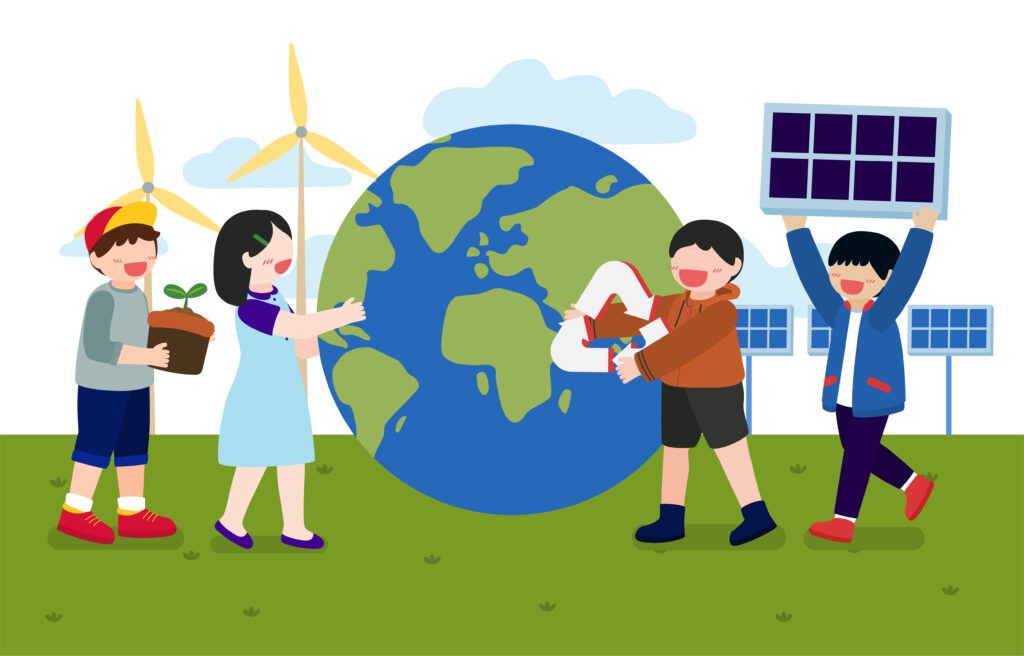
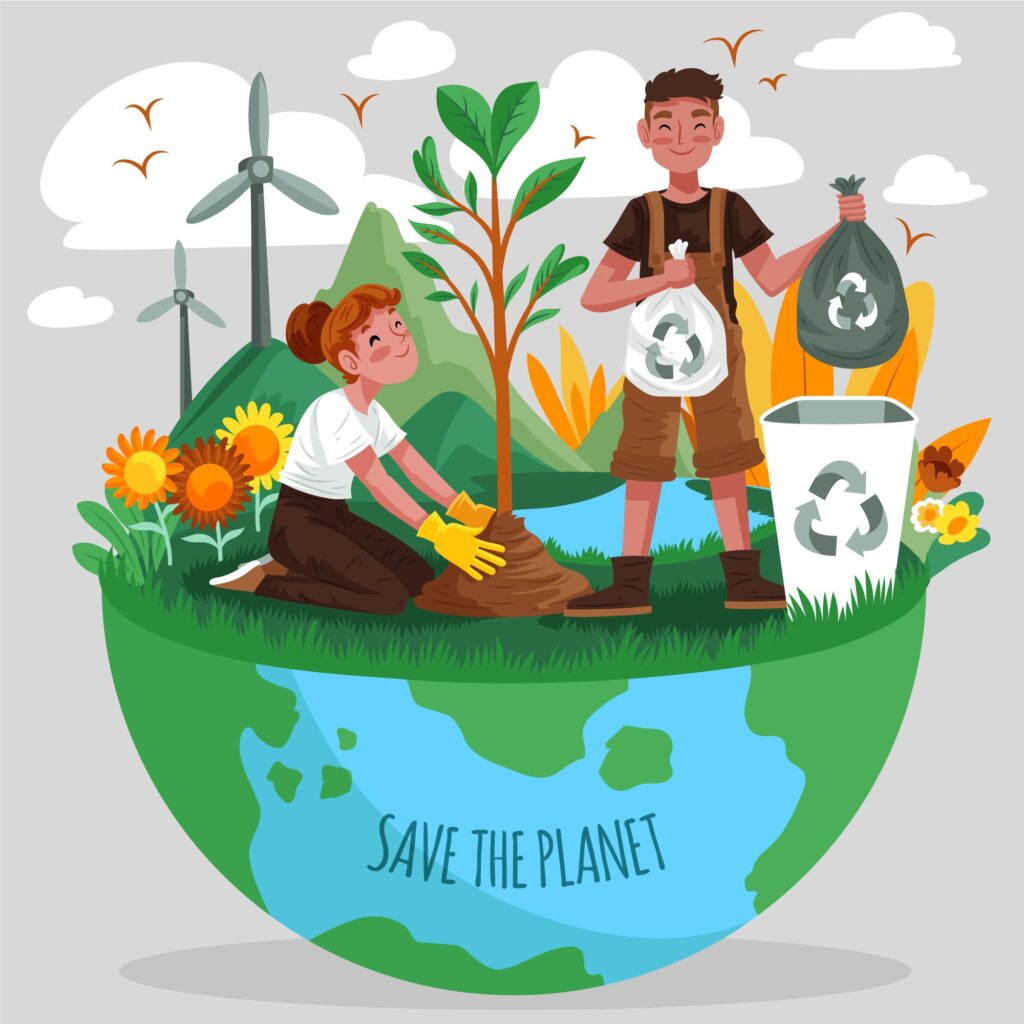
Ignite Change Through Environmental Awareness and Sustainability. Discover How Sustainable Practices Shape a Brighter Future in This Informative Article. In a world where rapid advancements in technology and industry have brought us unprecedented convenience, it’s imperative that we pause and reflect on the impact of our actions. As a freelance trainer with an unwavering commitment to catalyzing positive change, I am deeply invested in the realms of environmental awareness and sustainability. Through this article, I invite you to embark on a journey of understanding how these concepts not only contribute to a healthier planet but also hold the key to unlocking our fullest potential.

The Power of Education and Empowerment:

Education has long been recognized as a powerful tool for transformation. As the saying goes, “Education is the most powerful weapon which you can use to change the world.” By cultivating environmental awareness, we equip individuals and organizations with the knowledge they need to make informed choices that resonate with sustainability principles. This empowerment fosters a profound shift in mindsets, inspiring proactive contributions toward a greener future.

“Empower Minds, Transform the Earth – One Choice at a Time.”

Understanding Environmental Awareness:

Environmental awareness transcends the mere recognition of environmental issues; it involves a deep understanding of the interconnectedness of our actions and their consequences. It’s about realizing that every choice we make, from the products we consume to the energy we use, has a ripple effect on the ecosystem. This awareness fuels our commitment to adopt practices that minimize our ecological footprint and promote a healthier planet.

In our journey of environmental awareness, concepts like “carbon footprint,” “ecological impact,” and “green practices” are not just buzzwords; they’re guiding principles that shape our decisions. For instance, being mindful of our carbon footprint encourages us to explore alternative transportation methods, opt for energy-efficient appliances, and support businesses that prioritize sustainability.

Embracing Sustainability as a Way of Life:

Sustainability isn’t a fleeting trend; it’s a conscious lifestyle choice that seeks to balance the needs of the present without compromising the needs of future generations. Through sustainable practices, we reduce waste, conserve resources, and foster resilience in the face of environmental challenges.

The heart of sustainability lies in the concept of a “circular economy,” where resources are used efficiently, products are designed for longevity, and waste is minimized. By incorporating the principles of “renewable energy,” “circular economy,” and “ethical consumption” into our lives, we align our actions with the broader goal of creating a harmonious coexistence between humanity and the environment.

Here is garphic video for your reference to understand : Environmental Sustainability – Ideal way to save Nature

The Ripple Effect of Collective Action:

One individual’s commitment to environmental awareness might seem small, but its impact is amplified when joined by a community. By harnessing the power of collective action, we create a synergy that drives positive change on a larger scale. Whether it’s participating in community cleanups, supporting eco-friendly initiatives, or advocating for policy changes, every effort counts.

“Small Actions, Big Change – United for a Greener Tomorrow.”

Imagine the profound transformation that can occur when entire communities come together with a shared vision of sustainability. By nurturing this vision, we transcend individual interests and contribute to a legacy of environmental stewardship that future generations can inherit proudly.

Inspiring Business and Organizational Transformation:

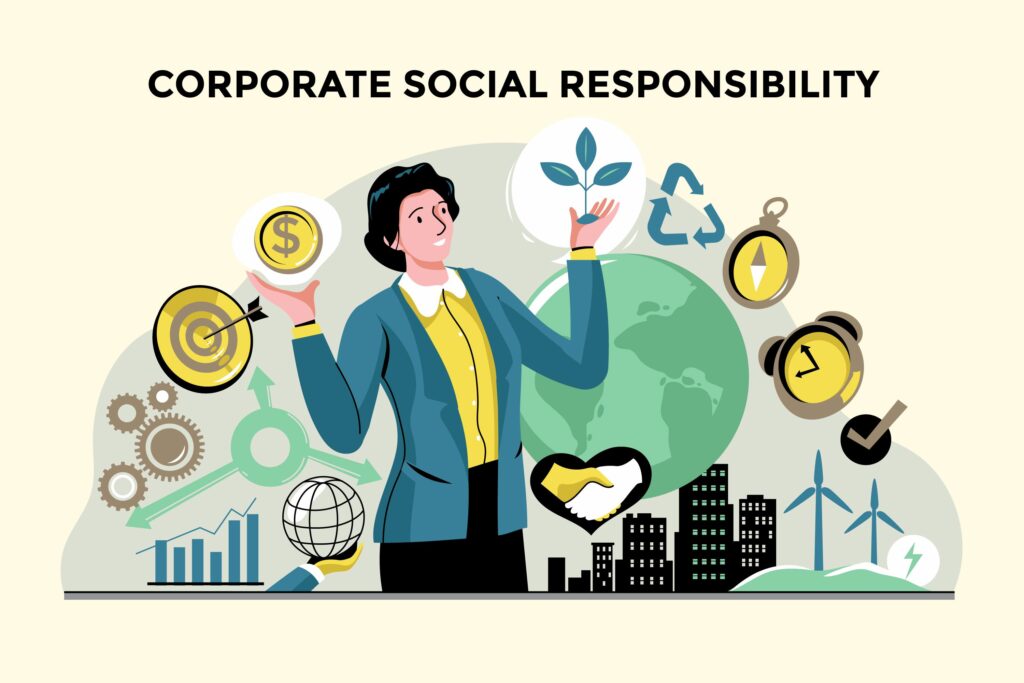
Sustainability isn’t limited to personal choices; it extends to the realm of business and organizations. Corporations that embrace eco-friendly practices not only contribute to a healthier planet but also enhance their brand reputation and appeal. This shift in focus from mere profit-making to responsible corporate citizenship is a testament to the evolving landscape of business ethics.

Businesses that integrate “corporate responsibility,” “green innovation,” and “eco-conscious policies” into their operations demonstrate a commitment that resonates with conscious consumers. These businesses understand that their success is intertwined with the health of the environment and the well-being of communities.

Driving Innovation Through Sustainability:

Sustainability isn’t a constraint; it’s a catalyst for innovation. The need to find sustainable solutions has spurred remarkable advancements in technology, design, and problem-solving. From renewable energy breakthroughs to biodegradable packaging, sustainability challenges inspire us to think creatively and push the boundaries of possibility.

For more infomation you may refere this article : Sustainable Thinking and Environmental Awareness through Design Education

As we navigate a world with growing environmental concerns, the power of innovation is our greatest asset. By embracing sustainability as a driving force, we can tap into our collective creativity to develop solutions that address environmental issues while also fostering economic growth.

Thank you for exploring this insightful journey into the realms of environmental awareness and sustainability. If you’re hungry for more knowledge and eager to make a difference, don’t miss out on our other engaging articles waiting for you. Dive into our treasure trove of wisdom and discover new perspectives on related topics. Click ‘Our Blog’ and ‘How-to Guide’ to embark on your next adventure. Happy reading!

In conclusion, our collective journey toward environmental awareness and sustainability is a testament to the transformative power of education and conscious choices. Let’s empower ourselves with knowledge, inspire change within our communities, and pave the way for a more sustainable and vibrant future. As we embark on this path, remember: “Empower Minds, Transform the Earth – One Choice at a Time.”

Facebook Account Hacked..!

Step-by-Step Guide: What to Do After Your Facebook Account Hacked and the Attacker Demands Money from Your Contacts

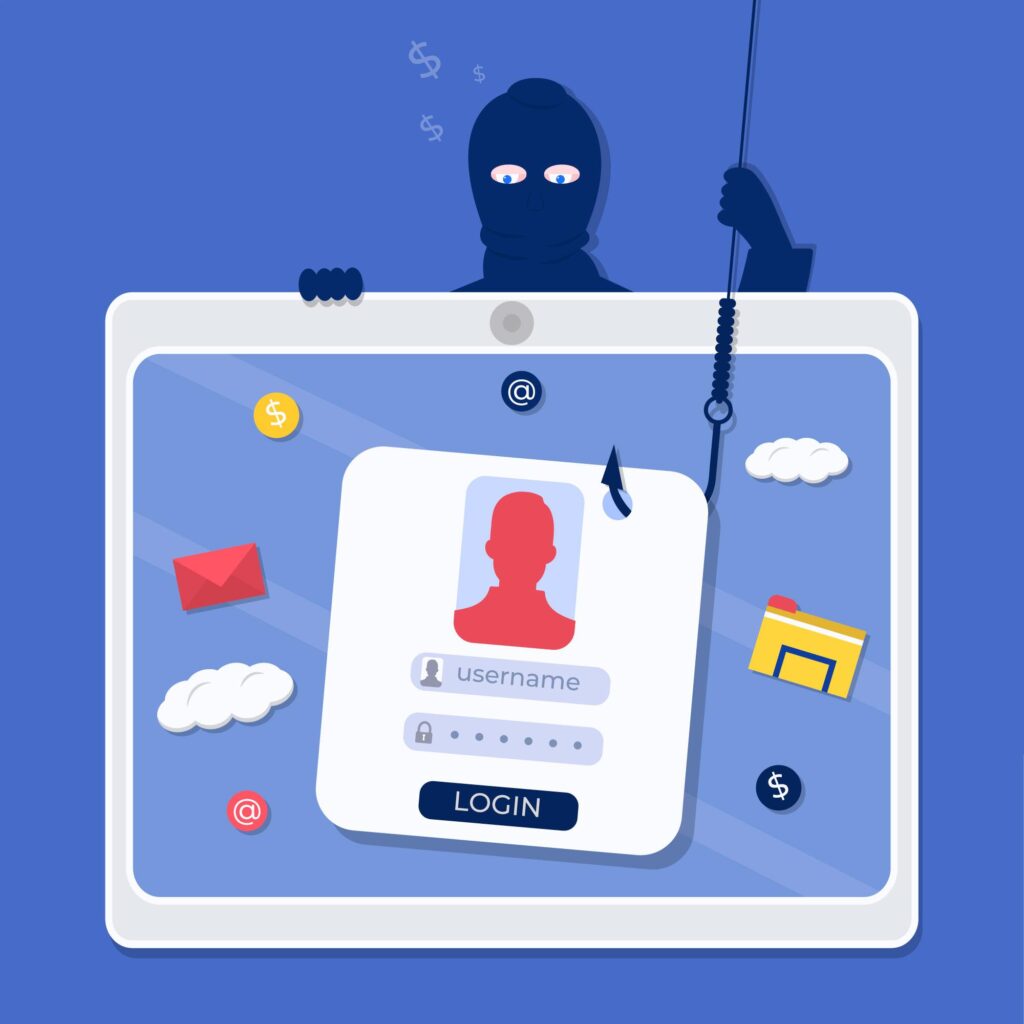
In an era dominated by digital connectivity, our online identities are as vital as our real-world selves. Our Facebook accounts, often a window to our personal lives and social interactions, are particularly vulnerable targets for hackers. The unsettling reality is that once your Facebook account hacked, your personal data, photos, and connections can fall into the wrong hands. To make matters worse, some hackers go a step further and demand money from your contacts, creating a distressing situation for both you and your friends. If you find yourself in this unfortunate scenario, here’s a step-by-step guide to regain control, protect your contacts, and restore your digital security.

Step 1: Remain Calm and Act Swiftly

Discovering that your Facebook account has been hacked is undoubtedly alarming. However, maintaining a clear head is crucial. Panicking can lead to hasty decisions that might exacerbate the situation. Take a deep breath, acknowledge the breach, and move swiftly to take control of the situation.

Step 2: Change Your Password Immediately

The first line of defense is changing your password. Access your Facebook account through a secure device and update your password to a strong, unique combination of letters, numbers, and symbols. Avoid using easily guessable information, such as birthdates or names.

Step 3: Enable Two-Factor Authentication (2FA)

Adding an extra layer of security through 2FA significantly reduces the chances of another breach. Choose between options like receiving authentication codes through text messages, authentication apps, or email. This ensures that even if a hacker possesses your password, they won’t gain access without the second authentication factor.

Step 4: Check and Secure Linked Accounts

Hackers often exploit linked accounts as backdoors into your digital life. Review any accounts connected to your Facebook, such as email, Instagram, or WhatsApp. Update passwords for these accounts as well to minimize the potential damage.

Step 5: Inform Your Contacts

Reach out to your friends and contacts through alternative means, such as text messages or phone calls. Advise them about the hack and ask them not to interact with any suspicious messages from your compromised account. This prevents the attacker from exploiting your contacts for monetary gain.

Step 6: Report the Hack to Facebook

Facebook offers a straightforward process to report a hacked account. Visit the “Help Center” on the platform and follow the guidelines to report the breach. Facebook’s support team can assist in recovering your account and securing it from further threats.

Step 7: Monitor Account Activity

Regularly monitor your account for any unusual activity even after regaining control. Ensure that no unauthorized posts, messages, or friend requests were made during the breach. If you notice any unfamiliar actions, report them immediately.

Step 8: Cybersecurity Checkup

Perform a cybersecurity checkup on all your accounts. Update passwords, enable 2FA, and review privacy settings on your various platforms. This proactive approach minimizes the risk of future breaches.

Step 9: Educate Yourself and Your Contacts

Staying informed about cybersecurity best practices is crucial. Educate yourself and your contacts about common hacking techniques and how to recognize phishing attempts. Awareness is a powerful shield against future attacks.

Step 10: Consider Professional Help

If the hacker demands money from your contacts, it’s advisable to involve law enforcement or a cybersecurity professional. Their expertise can help trace the origins of the attack and potentially prevent further harm.

Facing a hacked Facebook account and the added distress of an attacker demanding money from your contacts is a distressing experience. However, your quick and calculated response can significantly mitigate the damage. By remaining composed, taking decisive actions to secure your account, and educating yourself about online security, you can emerge from this situation stronger and more prepared to safeguard your digital presence. Remember, it’s not just about recovering from the hack; it’s about fortifying yourself against future threats and empowering your contacts to do the same.

Thanks for reading this article. As you continue your journey of empowerment, I invite you to explore more of our engaging articles that delve into various aspects of personal and professional growth. Unlock your potential today – click on ‘Our Blog‘ and ‘How to Guide‘ to fuel your curiosity and embark on a continuous adventure of learning and self-discovery. Your transformation starts now. Happy reading!

Unlocking Potential: Empower Yourself with Google’s Free Courses

Discover the transformative power of education through Google’s free courses. Empower yourself and reach new heights. Explore now!

In today’s rapidly evolving world, the quest for personal and professional growth is an unending journey. As a dedicated freelance trainer with a passion for empowerment, I’ve witnessed firsthand the remarkable impact education can have on individuals and organizations. My training programs are designed to harness the potential within, and today, I’m excited to introduce you to an incredible resource that aligns perfectly with this mission – Google’s free courses. In this article, we’ll delve into the world of accessible knowledge, unveiling how these courses can propel you toward success while exploring essential life skills. So, let’s embark on this enlightening journey together and discover the abundant opportunities that await.

Google’s Free Courses: Unlocking New Avenues of Learning

In the age of digitalization, education has transcended the boundaries of traditional classrooms. Google, a global tech giant, has recognized the power of democratizing knowledge and has opened up a treasure trove of courses that cater to diverse interests and aspirations. From technical skills to personal development, these courses cover a wide spectrum, ensuring that learners can find their niche and thrive.

Empowering Lives, One Course at a Time

Imagine being able to enhance your skill set without the financial burden. Google’s free courses make this dream a reality. Whether you’re a budding entrepreneur seeking business insights or an aspiring coder looking to master programming languages, the courses offered can pave the way for profound personal and professional growth. The democratization of education through these courses aligns seamlessly with the ethos of empowerment that drives my training programs.

Google offers free and paid certifications. Explore the full library of online click here courses and tools by Google :

  • Artificial intelligence
  • Cloud computing
  • Coding & development
  • Communication
  • Data & analytics
  • Design
  • Digital marketing
  • Digital wellbeing
  • Diversity
  • Expand internationally
  • Job search
  • Online safety
  • Productivity
  • Sell online
  • Sustainability

Navigating Life’s Challenges with Lifelong Learning

“Succeed tomorrow by learning today.” This powerful slogan encapsulates the essence of Google’s free courses. Lifelong learning is no longer a catchphrase but a tangible reality. In a world where adaptability is paramount, these courses provide the means to upskill, reskill, and remain relevant in an ever-changing landscape. The latent semantic indexing keywords of adaptability, upskilling, and lifelong learning resonate strongly, underscoring the pivotal role these courses play in honing essential life skills.

A World of Knowledge at Your Fingertips: Making the Most of Google’s Free Courses

To further illuminate the impact of these courses, let’s explore a real-life example. Jane, an enthusiastic marketing professional, was eager to advance her career but faced limitations due to a busy schedule and financial constraints. Discovering Google’s free courses was a game-changer for her. With courses on digital marketing strategies and effective communication, she honed her skills, making her a valuable asset to her organization. Jane’s story exemplifies the potential that lies within these courses to transform lives.

Empowerment Beyond Boundaries: The Journey Ahead

In conclusion, Google’s free courses stand as a beacon of empowerment, providing a bridge to a world of knowledge and growth. Just as I am passionate about fostering potential through my training programs, these courses empower individuals to chart their paths toward success. So, seize this opportunity to upskill, explore new horizons, and embrace lifelong learning. As you embark on this transformative journey, remember that the power to change your life is within your grasp – all you need to do is take that first step.

Your Learning Odyssey Begins Here

Thank you for embarking on this insightful exploration of Google’s free courses and their profound impact on life skills. As you continue your journey of empowerment, I invite you to explore more of our engaging articles that delve into various aspects of personal and professional growth. Unlock your potential today – click on ‘Our Blog‘ and ‘How to Guide‘ to fuel your curiosity and embark on a continuous adventure of learning and self-discovery. Your transformation starts now. Happy reading!

Mastering Digital Literacy: Empowering Individuals for the Digital Age

Unlock the Power of Digital Literacy. Dive into an in-depth exploration of essential skills for the modern world. Enhance your potential today!

In today’s rapidly evolving landscape, digital literacy has emerged as a critical life skill, transforming the way we interact, learn, and communicate. As a passionate freelance trainer dedicated to nurturing potential, I invite you to embark on a journey of empowerment through this comprehensive exploration of digital literacy.

The Digital Revolution and You

The digital revolution has reshaped the world, bringing forth unprecedented opportunities and challenges. From accessing information at our fingertips to communicating across borders, our lives have become intricately intertwined with technology. In this in-depth article, we will delve deep into the realm of digital literacy – an essential skill set that equips individuals with the tools to navigate and excel in the digital age.

Unveiling Digital Literacy: Beyond the Basics

Digital literacy encompasses more than just knowing how to operate devices or use software. It involves a multifaceted approach to understanding, evaluating, and applying digital information effectively. As we journey through the dimensions of digital literacy, we’ll explore how it empowers you to critically assess online content, communicate thoughtfully, and safeguard your digital footprint.

Navigating the Digital Landscape: Key Components of Digital Literacy

  1. Information Evaluation and Credibility: In a sea of information, the ability to discern credible sources from misinformation is paramount. We’ll uncover strategies to evaluate online content’s authenticity, enabling you to make well-informed decisions and contribute meaningfully to digital conversations.
  2. Digital Communication: Effective digital communication transcends mere text – it’s about conveying ideas, emotions, and intentions through various digital platforms. Discover how mastering digital communication enriches your personal and professional relationships.
  3. Privacy and Security: Safeguarding your digital presence is crucial in today’s interconnected world. We’ll delve into the principles of cybersecurity, equipping you with practices to protect sensitive information and maintain your online privacy.

Empowerment Through Digital Learning: The Learning Loop

Digital literacy and continuous learning go hand in hand. Embracing a growth mindset, we’ll explore the concept of the learning loop – a dynamic process where each digital encounter becomes an opportunity to expand your knowledge and skills. Unearth the art of leveraging online resources for upskilling, staying updated, and embracing lifelong learning.

Thoughts to Action: Unleashing Your Digital Potential

“Navigate, Communicate, Elevate” – This powerful slogan encapsulates the essence of digital literacy. By honing your navigational skills, mastering communication, and continually elevating your digital prowess, you can carve a remarkable path in the digital realm.

Harnessing Digital Literacy for Success: Real-life Examples

Drawing inspiration from real-life success stories, witness how individuals and organizations have harnessed digital literacy to achieve their goals. Explore case studies that highlight the transformative impact of digital literacy on education, entrepreneurship, and societal progress.

Nurturing Digital Literacy: Resources for Your Journey

As we approach the culmination of our exploration, allow me to share valuable resources that will further enrich your understanding of digital literacy. Visit Google Applied Digital Skills and https://www.microsoft.com/en-us/digital-literacy for insightful articles, tutorials, and courses designed to empower you in your digital literacy journey.

Embrace the Digital Frontier

In conclusion, the power of digital literacy is boundless, offering a gateway to unlock your true potential. As you embark on your digital literacy journey, remember that every click, scroll, and interaction is an opportunity for growth. Embrace the digital frontier with confidence, knowing that your enhanced skills will enable you to navigate, communicate, and thrive in the ever-evolving digital landscape.

Your Digital Odyssey Awaits!

Thank you for embarking on this enlightening exploration of digital literacy. To continue your journey of empowerment, dive into our treasure trove of articles, each designed to propel you toward excellence. Visit our blog for a plethora of insightful reads and don’t forget to explore our comprehensive “How to Guide” for practical tips on mastering digital literacy. Your odyssey to digital empowerment starts now. Happy reading and learning!

Exit mobile version