Power of Nonverbal Communication: Mastering the Art of Influence

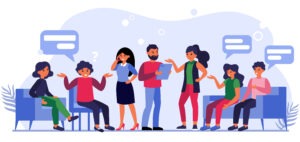
In the rich fabric of human connections, communication stretches beyond mere words. It ventures into the realm of Nonverbal Communication, a dynamic language often underestimated but incredibly influential. As someone deeply committed to helping individuals and companies unlock their full potential, I’m thrilled to take you on a journey of discovery. Throughout this article, we’ll uncover the hidden signals that guide our interactions, delving into the profound impact of Nonverbal Communication.


Body Language:

Alright, let’s break it down. You ever heard of body language? It’s like this secret code we all use to communicate without saying a word. Picture this: when you’re sitting up straight, nodding along, and giving a warm smile, that’s your body language shouting, “Hey, I’m open, confident, and totally approachable!” But, on the flip side, if you’re slouching, crossing your arms, or avoiding eye contact, it’s like putting up a big “Do Not Disturb” sign. Negative body language can throw up barriers and lead to all sorts of misunderstandings. So, it’s pretty clear that mastering the art of positive body language can seriously up your communication game.

Examples of Body Language:

Let’s dive into some key aspects of nonverbal communication that can really make a difference in your interactions with others.

  • Open Posture: So, ever heard of open posture? It’s all about how you carry yourself, like when you stand or sit with your arms and legs uncrossed. This signals openness and confidence. Think about it like this: when you’re all closed off, with crossed arms and legs, it can give off vibes of defensiveness or disinterest. But when you’re open, it’s like you’re saying, “Hey, I’m here, I’m engaged, let’s chat!”
  • Gestures: Now, let’s talk gestures. You know those hand movements people make when they’re talking? They’re not just random flailing—well, sometimes they are—but most of the time, they’re emphasizing points or showing enthusiasm. It’s like your body’s way of adding extra oomph to your words. So next time you’re chatting away, don’t be afraid to let your hands do the talking too!.
  • Eye Contact: Ever have a conversation with someone who just won’t look you in the eye? It can feel pretty awkward, right? That’s because maintaining eye contact signifies interest and attentiveness. It’s like you’re saying, “I see you, I hear you, and I’m right here with you in this conversation.
  • Mirroring: And here’s a cool trick- Mirroring. Ever notice how sometimes you start adopting the same body language as the person you’re talking to? It’s not just a coincidence—it’s mirroring, and it’s a powerful tool for building rapport and trust. So if you find yourself subtly imitating someone’s gestures or posture, don’t worry, you’re just forging a deeper connection without even realizing it!.


Facial Expressions:

You know, facial expressions—they’re like the superheroes of communication. Think about it: Different muscles in your face team up to create all these expressions, showing everything from joy to anger, surprise to sadness, and a whole lot more. And here’s the thing: We all just naturally react to these expressions, like it’s hardwired into us or something. That’s why they’re such a big deal when it comes to getting your message across.

Common Facial Expressions:

Hey there! Let’s talk about some common nonverbal cues that we encounter every day:

  1. Smiling: You know that warm feeling you get when someone flashes you a smile? It’s not just a random facial expression. Smiling typically indicates happiness, friendliness, or agreement. So, next time you’re feeling good, don’t hesitate to spread some smiles around!
  2. Frowning: Ever had one of those moments where something just doesn’t sit right with you? That’s when you might find yourself frowning. This facial expression usually signifies confusion, disagreement, or concern. So, if you see someone frowning, it might be a good idea to check in and see what’s on their mind.
  3. Raised Eyebrows: Picture this: You’re telling a story, and something unexpected happens. That’s when you might notice your eyebrows shooting up in surprise. Raised eyebrows are a subtle yet effective way of showing surprise or interest. It’s like your face saying, “Wow, I didn’t see that coming!”
  4. Nodding: Have you ever been in a conversation where you’re really connecting with the other person? Chances are, you found yourself nodding along as they spoke. That’s because nodding is a nonverbal way of indicating agreement, understanding, or active listening. It’s like saying, “I’m with you on this.”

These are just a few examples of how our nonverbal cues can speak volumes without us even saying a word!

Gestures:

Alright, let’s talk about gestures. You know, those hand movements and body motions we use to emphasize what we’re saying? They’re pretty powerful. Gestures can really enhance our message and make communication more interesting. But here’s the thing: the meaning of gestures can change depending on where you are in the world. So, it’s super important to be aware of cultural differences when you’re communicating without words.

Types of Gestures:

  1. Descriptive Gestures: Imagine you’re explaining something, and you use your hands to show the size, shape, or movement of an object. That’s a descriptive gesture. It’s like painting a picture with your hands to help the listener understand better.
  2. Emphatic Gestures: Ever seen someone really get into their story and use big hand movements to drive their point home? Those are emphatic gestures. They add power and emphasis to what you’re saying, like highlighting the most important parts of your message.
  3. Beat Gestures: Have you noticed how sometimes people’s hand movements seem to dance along with their words? That’s beat gestures. They follow the rhythm of speech, almost like a conductor guiding a musical performance. Beat gestures help emphasize key points and keep the conversation flowing smoothly.
  4. Regulators: Picture this: you’re having a conversation with someone, and they nod their head or raise their hand to indicate they want to speak. That’s a regulator in action. Regulators help control the flow of conversation, signaling when it’s time to speak or when it’s time to listen. They keep the interaction organized and ensure everyone gets a chance to contribute.

nderstanding and interpreting body language, facial expressions, and gestures? It’s like unlocking a whole new level of communication skills. Seriously, it’s a game-changer. Why? Because it helps you get what others are saying without them even speaking a word. And not just that, it amps up your own ability to express yourself too. Imagine being able to convey exactly what’s on your mind, loud and clear, without even saying a single sentence. That’s the power of mastering nonverbal communication—it leads to deeper, more meaningful interactions all around.

The Silent Language: Decoding Nonverbal Communication

Imagine stepping into the captivating world of Nonverbal Communication, where every tilt of the head, every flicker of the eye, becomes a profound statement. It’s like entering a realm where words take a backseat, and body language reigns supreme. Here, nuances like a confident handshake, a genuine smile, or a subtle nod hold more significance than a thousand words ever could. These silent messengers, comprising body language, facial expressions, and gestures, possess the power to shape our relationships, both personally and professionally.

Now, let’s unravel the mystery behind the mastery of Nonverbal Communication. Have you ever marveled at how effortlessly leaders inspire trust or wondered how some individuals seamlessly navigate social situations? The secret lies in their adeptness at decoding and utilizing nonverbal cues. Through subtle shifts in posture, eye contact, and hand gestures, they convey authority, empathy, or assertiveness. It’s like they speak a language beyond words, one that transcends barriers and resonates deeply with those around them.

Building Rapport Through Nonverbal Signals

Building meaningful connections is crucial. Nonverbal Communication is the key. Whether you’re in a boardroom or having a casual chat, establishing rapport is essential for success. So, how do we do it?

Mastering Nonverbal Communication: A Pathway to Success

In the corporate world, Nonverbal Communication is a game-changer. It impacts leadership, negotiations, and resolving conflicts. Executives who understand it gain a competitive edge. We’ll share real-life examples and case studies to show you how mastering these skills can elevate your professional journey.

Embracing Nonverbal Communication in Daily Life

But it’s not just about work. Nonverbal Communication enriches personal relationships too. From family bonds to romance, it’s the glue that holds us together. We’ll explore how simple changes in your nonverbal cues can strengthen relationships, resolve conflicts, and deepen emotional connections.

Conclusion: Empowering Lives Through Nonverbal Communication

As we wrap up our journey through the fascinating world of nonverbal communication, I want to encourage you to embrace its incredible power. Understanding these subtle cues can truly transform your interactions, leading to better communication, stronger relationships, and greater success in all aspects of life. So, where does the journey to mastering nonverbal communication begin? It starts with awareness and practice. Take notice of the signals you’re sending and receiving every day, and don’t be afraid to practice and refine your skills. With dedication and effort, you’ll unlock doors to a whole new level of connection and understanding.

Suggested Website Article References:

  1. Reference: https://www.verywellmind.com/types-of-nonverbal-communication-2795397

Suggested YouTube Video Refere

Continue Your Learning Journey

For further insights on communication skills, leadership, and personal development, explore our website’s rich repository of knowledge. Engage with our thought-provoking articles and in-depth guides tailored to empower you on your journey to self-discovery and growth.

Thank you for embarking on this enlightening exploration of Nonverbal Communication. May your newfound understanding of this silent language guide you towards a future filled with meaningful connections and boundless opportunities.

FAQs on Nonverbal Communication:

Q1: What is nonverbal communication, and why is it important?

Nonverbal communication refers to the transmission of messages or information without the use of words. It includes facial expressions, body language, gestures, tone of voice, and other forms of expression. Nonverbal cues often convey emotions, attitudes, and intentions, adding depth and nuance to verbal communication.

Q2: How does body language influence communication?

Body language plays a significant role in communication by conveying emotions, confidence, and receptivity. Positive body language, such as maintaining eye contact and open posture, can enhance trust and understanding, while negative body language may lead to misunderstandings or barriers in communication.

Q3: What are some common facial expressions and their meanings?

Facial expressions, like smiling, frowning, and raised eyebrows, convey various emotions and reactions. Understanding these expressions can help in interpreting others’ feelings and responding appropriately in different social situations.

Q4: How do cultural differences affect nonverbal communication?

Cultural norms influence gestures, facial expressions, and other nonverbal cues. What is considered polite or rude in one culture might be interpreted differently in another. It’s crucial to be aware of these differences to avoid misunderstandings and promote effective cross-cultural communication.

Q5: Can nonverbal communication be misinterpreted?

Yes, nonverbal cues can be misinterpreted, leading to misunderstandings or conflicts. Factors such as context, cultural differences, and individual variations can contribute to misinterpretation. Developing active listening skills and being aware of the context can help in accurately understanding nonverbal messages.

Q6: How can one improve their nonverbal communication skills?

Improving nonverbal communication skills involves self-awareness, observation, and practice. Being mindful of your own body language, practicing active listening, and observing others’ nonverbal cues can enhance your ability to communicate effectively without words.

Q7: What role does tone of voice play in nonverbal communication?

Tone of voice, including pitch, volume, and intonation, conveys emotions and attitudes. It can indicate sarcasm, enthusiasm, anger, or empathy, significantly impacting the overall message being communicated. Paying attention to tone of voice is essential for understanding the speaker’s intended meaning.

Q8: Can nonverbal communication be used in professional settings?

Yes, nonverbal communication is crucial in professional settings. It influences job interviews, presentations, negotiations, and teamwork. Employing positive nonverbal cues can enhance professionalism, credibility, and interpersonal relationships in the workplace.

Q9: Are there gender differences in nonverbal communication?

Research suggests that there are some differences in nonverbal communication patterns between genders. For instance, women might use more facial expressions, while men might use more gestures. However, these differences can vary widely among individuals, and it’s essential not to generalize.

Q10: How can nonverbal communication improve personal relationships?

In personal relationships, nonverbal cues help express emotions, intimacy, and trust. Understanding your partner’s nonverbal signals and being aware of your own can lead to better communication, emotional connection, and overall relationship satisfaction.

Empower Your Journey: Mastering Verbal Communication Skills for Success

Introduction:

Welcome, dear readers, to a transformative exploration of one of the most essential life skills—verbal communication. In the vibrant tapestry of life, effective communication acts as the golden thread weaving connections, understanding, and harmony. As a passionate freelance trainer, my mission is to empower individuals and organizations with the tools they need to unleash their full potential. In this article, we will delve deep into the realm of verbal communication, unlocking the secrets to confident expression and meaningful connection.

1.The Power of Clarity and Confidence:

Clarity in Expression: One of the fundamental aspects of effective verbal communication is clarity. It involves articulating your thoughts in a concise and understandable manner. Start by organizing your ideas before speaking, ensuring a logical flow of information. Use simple language and avoid jargon, enabling your audience to grasp your message effortlessly. Practice active listening to understand the concerns of your conversation partner, allowing you to respond thoughtfully and directly.

Confidence Building: Confidence is the key to commanding attention and respect. To boost your confidence, practice your speech in front of a mirror or record yourself speaking. Work on your posture and gestures; a confident body language reinforces your verbal message. Additionally, embrace the power of positive affirmations to bolster your self-assurance. Remember, confidence stems from preparation and self-belief.

Thought: “Clarity in Words, Confidence in Voice: Your Pathway to Impactful Communication.”

Clarity in communication" class="wp-image-501" title="

2.Effective Verbal Persuasion:

Understanding the Audience: Every conversation involves understanding the needs, beliefs, and emotions of your audience. Effective communicators tailor their message to resonate with the listener. Empathize with their perspective, acknowledge their concerns, and address their interests. By doing so, you establish a connection that forms the basis for persuasive communication.

The Art of Persuasive Language: Words have the power to influence, inspire, and persuade. Master the art of persuasive language by incorporating rhetorical devices such as metaphors, analogies, and storytelling. These tools evoke emotions and engage the listener on a deeper level. Use positive language to create a sense of optimism and possibility, encouraging your audience to embrace your ideas willingly.

Active Listening and Responding: Active listening is a cornerstone of persuasive communication. Demonstrate genuine interest in what the other person is saying. Nod, maintain eye contact, and paraphrase their points to confirm your understanding. Respond thoughtfully, acknowledging their perspective before presenting your counterpoints. This not only validates their feelings but also opens the door for a constructive dialogue.

Thought: “Empathy in Understanding, Persuasion in Words: Influencing Minds, Inspiring Actions.”

Suggested Website Article References:

  1. Reference 1: https://pumble.com/blog/verbal-communication

Suggested YouTube Video Reference:


Conclusion:

In the grand tapestry of life, mastering verbal communication is akin to mastering the art of weaving, where every word and gesture contributes to the beauty of the final creation. Remember, your destiny is shaped not just by the words you speak, but how you speak them. Embrace the journey of enhancing your verbal communication skills, and witness the transformative power it holds for your personal and professional life.

Thank you for exploring this insightful article. If you’re hungry for more knowledge, don’t miss out on our other engaging articles waiting for you. Dive into our treasure trove of wisdom and discover new perspectives on related topics. Click ‘Our Blog‘ and ‘How to Guide‘ to embark on your next adventure. Happy reading!

Frequently Asked Questions (FAQs) about Mastering Verbal Communication:

Q1: Why is verbal communication important in both personal and professional contexts?
A1: Verbal communication is vital as it forms the basis for building relationships, resolving conflicts, and conveying ideas effectively. In personal life, it nurtures emotional connections, while in the professional sphere, it’s essential for teamwork, leadership, and successful negotiations.

Q2: Can anyone become proficient in verbal communication, or is it a natural talent?
A2: Verbal communication is a skill that can be developed and honed with practice and dedication. While some individuals may have a natural inclination, anyone can improve their communication abilities through learning, practice, and self-awareness.

Q3: How can I overcome nervousness or stage fright during verbal communication?
A3: Overcoming nervousness involves preparation, practice, and confidence-building techniques. Practice your speech or conversation, focus on your breathing to calm nerves, and visualize a positive outcome. With consistent effort, confidence will naturally grow.

Q4: What role does active listening play in effective verbal communication?
A4: Active listening is crucial in communication. It involves fully concentrating, understanding, responding, and remembering what is being said. By practicing active listening, you show respect, gain understanding, and foster trust in your relationships.

Q5: How can I improve my persuasive communication skills?
A5: Improving persuasive communication involves understanding your audience, crafting a compelling message, and using persuasive language effectively. Empathize with your audience, use storytelling and emotional appeal, and address their concerns to make your communication more persuasive.

Q6: Are there common mistakes people make in verbal communication, and how can I avoid them?
A6: Common mistakes include lack of clarity, poor listening, using jargon, and not considering the audience. To avoid these, focus on clear articulation, active listening, using simple language, and tailoring your message to the audience’s level of understanding.

Q7: How can I adapt my verbal communication style for different situations or cultures?
A7: Adapting your communication style involves being aware of cultural differences and adjusting your tone, language, and gestures accordingly. Respect cultural norms, be open-minded, and be willing to learn about different communication styles to foster understanding and harmony.

Q8: What resources can I explore to further enhance my verbal communication skills?
A8: There are numerous resources available, including books, online courses, workshops, and public speaking clubs like Toastmasters. Additionally, watching TED Talks, reading articles, and practicing with friends or mentors can significantly contribute to improving your verbal communication skills.

Q9: How long does it take to see improvement in verbal communication skills with consistent practice?
A9: Improvement varies from person to person and depends on the individual’s starting point and dedication. With consistent and focused practice, noticeable improvements can often be seen within a few weeks to months, especially when actively seeking feedback and applying new techniques.

Q10: Is it possible to communicate effectively in a language that is not my native tongue?
A10: Yes, effective communication in a non-native language is entirely possible with dedication and practice. Immersing yourself in the language, practicing with native speakers, and learning about the culture can significantly enhance your proficiency and confidence in verbal communication.

How to manage Stress and Reclaim Your Inner Peace

Discover effective strategies to manage and reduce stress in your life. Empower yourself with practical techniques for a calmer, more peaceful you. How to manage stress? Stress, that persistent and unwelcome companion, has the ability to drain our energy, cloud our judgment, and hinder our well-being. But fear not, for in this article, we will delve into a treasure trove of strategies and techniques designed to empower you in your quest to conquer stress and regain your inner peace. As a passionate freelance trainer dedicated to personal and organizational growth, I am excited to guide you through these transformative life skills that will help you navigate life’s challenges with resilience and poise. Let’s embark on this journey together.

1: Understanding the Stress Landscape

  • Recognizing the Sources of Stress: In this section, we explore the various factors that can trigger stress in our lives. These could include work-related pressures, personal relationships, financial concerns, and more. By identifying these stressors, individuals can start to address and manage them effectively.
  • The Impact of Chronic Stress on Health and Well-being: This component delves into the consequences of prolonged stress on our physical and mental health. We discuss how chronic stress can lead to issues like anxiety, depression, and even physical health problems. This understanding emphasizes the urgency of adopting stress management techniques.

2: Building Your Stress Management Arsenal

  • Harnessing the Power of Mindfulness Meditation: Here, we explain the concept of mindfulness and its role in stress reduction. Detailed instructions on how to practice mindfulness meditation are provided, along with its benefits for calming the mind and improving focus.
  • The Art of Effective Time Management: A Stress-Reducing Approach: This component explores time management techniques that can help individuals prioritize tasks, reduce procrastination, and create a more balanced daily routine. Effective time management contributes to lowering stress by enhancing productivity.
  • Cultivating Healthy Habits: Exercise and Nutrition for Stress Resilience: This part emphasizes the importance of physical well-being in stress management. It delves into the positive impact of regular exercise and a balanced diet on reducing stress hormones and promoting overall mental and physical health.

3: Mastering the Mind-Body Connection

  • Unleashing the Calming Potential of Deep Breathing Exercises: Deep breathing exercises are explained here as a simple yet powerful tool for activating the body’s relaxation response. Step-by-step instructions on various deep breathing techniques are provided, helping readers incorporate these exercises into their daily routine.
  • The Role of Sleep in Stress Restoration and Emotional Balance: This component focuses on the vital role of sleep in stress management. It discusses the importance of quality sleep for emotional resilience and provides tips for improving sleep hygiene.

4: Empowering Through Cognitive Strategies

  • Reframing Negative Thoughts: A Pathway to Stress Transformation: This section introduces cognitive restructuring, a technique for changing negative thought patterns. We provide examples of common negative thoughts and guide readers on how to reframe them into more positive and realistic perspectives.
  • The Power of Gratitude: Shifting Focus to Cultivate Positivity: Gratitude’s impact on stress reduction is explained here. Readers learn how practicing gratitude can shift their focus from stressors to positive aspects of their lives. Practical exercises for cultivating gratitude are included.

5: Nurturing Relationships and Social Connections

  • The Vital Role of Social Support in Stress Management: This component highlights the significance of social connections in managing stress. It discusses the benefits of seeking support from friends, family, and communities during challenging times.
  • Effective Communication: Setting Boundaries for a Stress-Free Life: Effective communication and boundary-setting are explored here. The article explains how clear communication and setting healthy boundaries can prevent unnecessary stress and conflicts in relationships.

Each of these sections is designed to provide you with practical tools, techniques, and insights for managing stress effectively. By addressing the different aspects of stress and offering actionable strategies, the article empowers you to take charge of their well-being and lead a more balanced and peaceful life.

Harnessing the Wisdom Within:

Remember, stress is not an adversary to overpower, but an experience to learn from. As the saying goes, “In the middle of difficulty lies opportunity.” Embrace the challenges as stepping stones toward growth.

Unlocking Your True Potential:

Amid life’s chaos, the ability to manage stress empowers you to navigate the uncertain waters with grace. Embrace these strategies as allies in your journey to a more tranquil existence.

References:

  1. To know about more on ‘Stess’ in question and answer type: Visit : Stress management – What is stress

Conclusion:

In the grand tapestry of life, stress is but a single thread. By incorporating these valuable strategies into your daily routine, you’re weaving a stronger fabric of resilience, positivity, and self-care. So, as you step forward armed with newfound knowledge, remember that the power to manage stress resides within you. Thank you for joining me on this expedition of self-discovery. If you hunger for more insights, explore our enriching articles that light the way toward holistic growth and personal empowerment.

Thank you for exploring this insightful article. If you’re hungry for more knowledge, don’t miss out on our other engaging articles waiting for you. Dive into our treasure trove of wisdom and discover new perspectives on related topics. Click ‘Our Blog’ and ‘How to Guide’ to embark on your next adventure. Happy reading!

What are the 5 Active Listening Skills?

What are the 5 Active Listening Skills? Mastering the Art of Effective Communication

In the fast-paced world of communication, mastering active listening skills has become more essential than ever. I freelance trainer, understand the significance of these skills in fostering meaningful connections, enhancing interpersonal relationships, and ensuring effective communication in both personal and professional spheres. In this comprehensive guide, we delve deep into the realm of active listening, exploring the five pivotal skills that can transform the way you engage with others.

Understanding the Importance of Active Listening

Active Listening: A Pillar of Effective Communication

Active listening is more than just hearing words; it involves fully comprehending the message being conveyed, both verbally and non-verbally. It is a skill that empowers individuals to respond thoughtfully, demonstrating empathy and understanding. I emphasize the importance of active listening as a fundamental element of successful communication.

The Five Key Active Listening Skills
Skill 1: Receiving

The first step in active listening is receiving the message. This involves not only hearing the words but also paying attention to the speaker’s tone, body language, and emotions. By being fully present and engaged, you create an environment where the speaker feels valued and respected.

Skill 2: Understanding

Understanding the message is more than just comprehending the words. It requires grasping the underlying emotions and intentions behind the communication. This skill enables you to ask relevant questions, seeking clarification when needed, and ensuring that you have a complete understanding of the message.

Skill 3: Remembering

Remembering the details of a conversation is crucial for building trust and rapport. It demonstrates your genuine interest in the speaker and the topic at hand. Utilizing memory techniques and active engagement, you can retain important information, making the speaker feel heard and respected.

Skill 4: Evaluating

Evaluating the message involves analyzing the information critically. It requires considering the context, perspectives, and implications of the communication. By evaluating the message, you can respond in a meaningful and informed manner, fostering a constructive dialogue.

Skill 5: Responding

Responding effectively is the culmination of active listening. It involves formulating a thoughtful reply that addresses the speaker’s concerns, questions, or emotions. A well-crafted response demonstrates empathy, understanding, and respect, further enhancing the quality of the interaction.

How to Improve Your Active Listening Skills

Practice Mindfulness

Mindfulness techniques, such as deep breathing and focused attention, can enhance your ability to be fully present during conversations. By practicing mindfulness, you can minimize distractions and strengthen your focus on the speaker.

Seek Feedback

Constructive feedback is invaluable in the journey to improve your active listening skills. Encourage colleagues, friends, or family members to provide feedback on your listening skills, helping you identify areas for growth and refinement.

Participate in Active Listening Workshops

Enrolling in active listening workshops and seminars can provide you with practical techniques and real-time feedback. These interactive sessions offer a supportive environment to hone your skills, ensuring that you can apply them effectively in various situations.

References:
For further insights, explore these resources:

Active Listening – Hear What People are Really Saying” by Mind Tools

Conclusion

Mastering the art of active listening is not just a professional skill; it is a life skill that can transform your relationships and interactions. I believe in the power of active listening to create meaningful connections and enhance communication. By developing and refining these five key skills – receiving, understanding, remembering, evaluating, and responding – you can navigate the complexities of communication with grace and effectiveness.

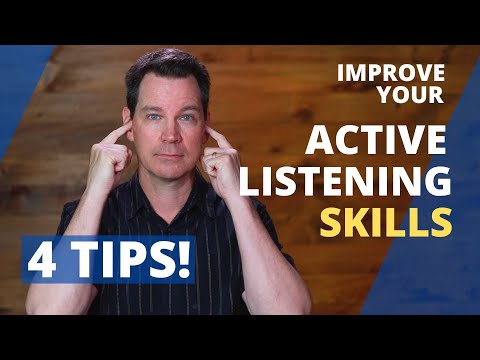
You may also view Communication Coach Alexanders Video on Active Listening Tips

Frequently Asked Questions (FAQs) About Active Listening Skills

Q1: What are active listening skills, and why are they important?

A1: Active listening skills involve fully understanding and responding to a speaker with empathy and attention. These skills are vital for effective communication, building trust, and fostering meaningful relationships both personally and professionally.

Q2: How can I enhance my active listening skills?

A2: You can improve your active listening skills by practicing mindfulness, seeking feedback from others, participating in active listening workshops, and actively applying the five key skills: receiving, understanding, remembering, evaluating, and responding.

Q3: Can active listening skills be developed, or are they innate?

A3: Active listening skills can indeed be developed and refined through practice, self-awareness, and a genuine willingness to engage in meaningful conversations. With dedication and effort, anyone can enhance their active listening abilities.

Q4: How can active listening skills benefit my professional life?

A4: In the professional context, active listening skills can lead to improved collaboration, enhanced problem-solving, stronger leadership, and increased productivity. By understanding your colleagues, clients, and team members better, you can build a more cohesive and efficient work environment.

Q5: Are there specific techniques to remember details from conversations?

A5: Yes, there are techniques to remember details, such as repeating information mentally, taking notes, summarizing key points, and visualizing the conversation. These methods can help reinforce your memory and improve your ability to recall important information.

Q6: Can active listening skills help in conflict resolution?

A6: Absolutely. Active listening skills are invaluable in conflict resolution. By genuinely understanding the perspectives and concerns of all parties involved, you can facilitate open communication, find common ground, and work towards mutually beneficial solutions.

Q7: How can I apply active listening skills in my personal relationships?

A7: Active listening skills can strengthen personal relationships by fostering trust, empathy, and understanding. Practice being fully present during conversations, show genuine interest, and respond thoughtfully to the feelings and concerns of your loved ones.

Q8: Are there any situations where active listening skills are not applicable?

A8: Active listening skills are universally applicable and can be beneficial in all types of situations, including professional meetings, personal conversations, negotiations, interviews, and even casual interactions. Being an active listener enhances communication in any context.

Q9: Can active listening skills be helpful in public speaking or presentations?

A9: Yes, active listening skills are valuable in public speaking and presentations. Understanding the audience’s reactions, adjusting your message based on their responses, and being receptive to their feedback can significantly enhance the impact of your speech or presentation.

Q10: How long does it take to master active listening skills?

A10: The time it takes to master active listening skills varies from person to person. It depends on individual dedication, consistent practice, and the willingness to learn from experiences. With regular effort and mindful application, significant improvement can be achieved over time.

Unleashing the Power of Creative Thinking: Your Ultimate Guide

Creative thinking is a mental process that involves generating new, innovative, and imaginative ideas. It’s the ability to approach problems and challenges from unique perspectives, leading to innovative solutions and breakthroughs. In a rapidly evolving world, creative thinking has become an invaluable skill in various domains, from business and technology to art and education. In this article, we’ll delve deep into the concept of creative thinking, explore its benefits, and provide practical tips to help you harness its power in your personal and professional life.

The Importance of Creative Thinking

In a world that thrives on innovation, creative thinking is more critical than ever before. Here are a few reasons why it holds immense importance:

  1. Problem Solving: Creative thinking empowers individuals to find novel solutions to complex problems. By considering unconventional angles and ideas, individuals can break through mental barriers and discover innovative approaches that may not be apparent through traditional methods.
  2. Innovation: The driving force behind progress and innovation is creative thinking. It’s responsible for groundbreaking inventions, disruptive technologies, and new business models that reshape industries.
  3. Adaptability: Creative thinkers are better equipped to adapt to changing circumstances. Their ability to view situations from different perspectives allows them to find alternative routes when facing obstacles.
  4. Effective Communication: Creative thinking enhances communication skills by enabling individuals to express ideas in unique and engaging ways. This skill is invaluable in various settings, from marketing campaigns to interpersonal interactions.
  5. Personal Growth: Engaging in creative thinking exercises enhances cognitive abilities and keeps the mind sharp. It also fosters a sense of accomplishment and boosts self-confidence.

Nurturing Creative Thinking

  1. Embrace Curiosity: Curiosity is the foundation of creative thinking. Cultivate a curious mindset by asking questions, exploring new topics, and seeking to understand the world around you.
  2. Diverse Knowledge: Creative ideas often arise from the intersection of different fields. Expand your knowledge base in various areas to create connections that can lead to innovative insights.
  3. Open-Mindedness: Approach challenges with an open mind, devoid of preconceived notions. This enables you to consider alternative viewpoints and solutions.
  4. Mindfulness and Reflection: Take time to reflect on your thoughts and experiences. Mindfulness practices can help you tap into your subconscious mind and uncover hidden connections.
  5. Brainstorming: Engage in structured brainstorming sessions, either individually or in groups. Encourage the generation of a wide range of ideas, even those that seem unconventional.

Techniques to Enhance Creative Thinking

  1. Lateral Thinking: Developed by Edward de Bono, this technique involves approaching problems from unconventional angles to uncover innovative solutions. It encourages breaking free from linear thought patterns.
  2. Mind Mapping: Create visual representations of ideas using mind maps. This technique allows you to visually organize thoughts, identify relationships between concepts, and stimulate creative thinking.
  3. Reverse Thinking: Start with the desired outcome and work backward. This approach can lead to unexpected insights and solutions by challenging conventional thinking.
  4. Random Word Association: Choose a random word and brainstorm ideas that relate to it. This technique encourages the brain to make unique connections and associations.
  5. Role Reversal: Step into someone else’s shoes, whether it’s a historical figure, a fictional character, or even a competitor. This perspective shift can lead to fresh insights.

Fostering a Creative-Friendly Environment

  1. Embrace Failure: Creative thinking involves experimentation, which inherently includes the possibility of failure. Encourage a culture where failures are viewed as learning opportunities rather than setbacks.
  2. Diverse Teams: Collaborate with individuals from diverse backgrounds and skill sets. Diversity brings a range of viewpoints to the table, fostering innovative discussions.
  3. Physical Environment: Create a workspace that stimulates creativity. Incorporate elements like color, art, and natural light to inspire imaginative thinking.
  4. Time for Play: Allowing time for play and relaxation can stimulate creative thinking. Engaging in activities like doodling, walking, or playing games can help unlock fresh ideas.

Applying Creative Thinking in Daily Life

  1. Problem-Solving: Approach challenges by considering various perspectives and brainstorming a multitude of potential solutions.
  2. Innovation: Continuously seek ways to improve processes, products, or services by thinking outside the box.
  3. Decision Making: When making decisions, explore both traditional and unconventional options to arrive at the best choice.
  4. Communication: Use creative approaches to effectively convey your ideas and messages to captivate your audience.
  5. Continuous Learning: Engage in lifelong learning to expose yourself to new ideas and stimulate your creative thinking.

Here are some examples of creative thinking

1. Problem-Solving:

Traditional Approach: A company is facing declining sales for a particular product. The team focuses on lowering the price to attract customers.

Creative Approach: The team holds a brainstorming session and realizes that the product’s packaging and presentation are outdated. They come up with the idea of redesigning the packaging to make it more appealing and highlight the product’s unique features. This leads to an increase in sales as customers are drawn to the improved presentation.

2. Innovation:

Traditional Approach: A car manufacturer is focused on improving the fuel efficiency of its vehicles by optimizing the engine.

Creative Approach: The manufacturer decides to take a completely different approach and explores the possibility of creating a hybrid vehicle that runs on both electricity and gasoline. This innovative concept not only improves fuel efficiency but also taps into the growing demand for environmentally friendly transportation options.

3. Communication:

Traditional Approach: A teacher is delivering a history lesson using a standard lecture format.

Creative Approach: The teacher engages the students by transforming the classroom into a historical setting. They encourage students to role-play as historical figures and participate in interactive discussions. This creative approach not only makes the lesson more engaging but also helps students connect emotionally with the material.

4. Product Design:

Traditional Approach: A furniture designer creates a standard coffee table with four legs and a flat surface.

Creative Approach: The designer envisions a coffee table that doubles as a storage unit. They add hidden compartments and drawers within the table’s structure, allowing users to store books, magazines, and other items. This creative twist on a traditional design adds functionality and uniqueness to the product.

5. Marketing:

Traditional Approach: A restaurant advertises its dishes with standard images of food on its menu.

Creative Approach: The restaurant hires a local artist to create vibrant and colorful illustrations of each dish. The menu becomes a work of art, capturing the essence of the restaurant’s cuisine and creating a memorable dining experience for customers.

6. Personal Growth:

Traditional Approach: A student studies only within the confines of their major subjects.

Creative Approach: The student decides to explore unrelated disciplines, such as taking a painting class or learning to play a musical instrument. The new experiences not only provide a creative outlet but also inspire fresh perspectives that enhance their main area of study.

7. Conflict Resolution:

Traditional Approach: Two coworkers have a disagreement over a project’s direction, leading to tension.

Creative Approach: A mediator suggests a team-building activity that requires the coworkers to collaborate on a creative project unrelated to work. Through this activity, they learn to communicate effectively, understand each other’s strengths, and resolve their differences constructively.

8. Entrepreneurship:

Traditional Approach: A budding entrepreneur starts a typical e-commerce store selling clothing items.

Creative Approach: The entrepreneur identifies a gap in the market for sustainable fashion and creates a platform that connects customers with local artisans who use eco-friendly materials. This innovative approach not only promotes sustainable practices but also supports local communities.

These examples illustrate how creative thinking can lead to novel solutions, innovative products, engaging communication, and transformative experiences across various domains. By embracing creative thinking, individuals and organizations can unlock endless possibilities and drive positive change.

Creative thinking is a skill that can be nurtured and developed over time. By embracing curiosity, adopting different techniques, and creating a conducive environment, you can harness the power of creative thinking to transform your personal and professional life. In a world that thrives on innovation, those who dare to think creatively are the ones who pave the way for progress, change, and success. So, unleash your imagination, challenge the norm, and let your creativity flourish.

Exit mobile version