SMART goal framework for students achieving academic success

Mastering the SMART Goal Framework for Academic Success

What if I told you that achieving top grades, completing assignments on time, and improving study habits could be as simple as setting the right goals? Yes! Success in academics isn’t just about working harder—it’s about working smarter. That’s where the SMART goal framework for students comes into play.

Goal setting isn’t just a buzzword; it’s a strategy that successful students use to stay focused, organized, and motivated. Whether you’re struggling with procrastination or simply want to level up your academic performance, the SMART goal framework for students is your secret weapon. Let’s dive into how this method can help you crush your academic goals!


What is the SMART Goal Framework?

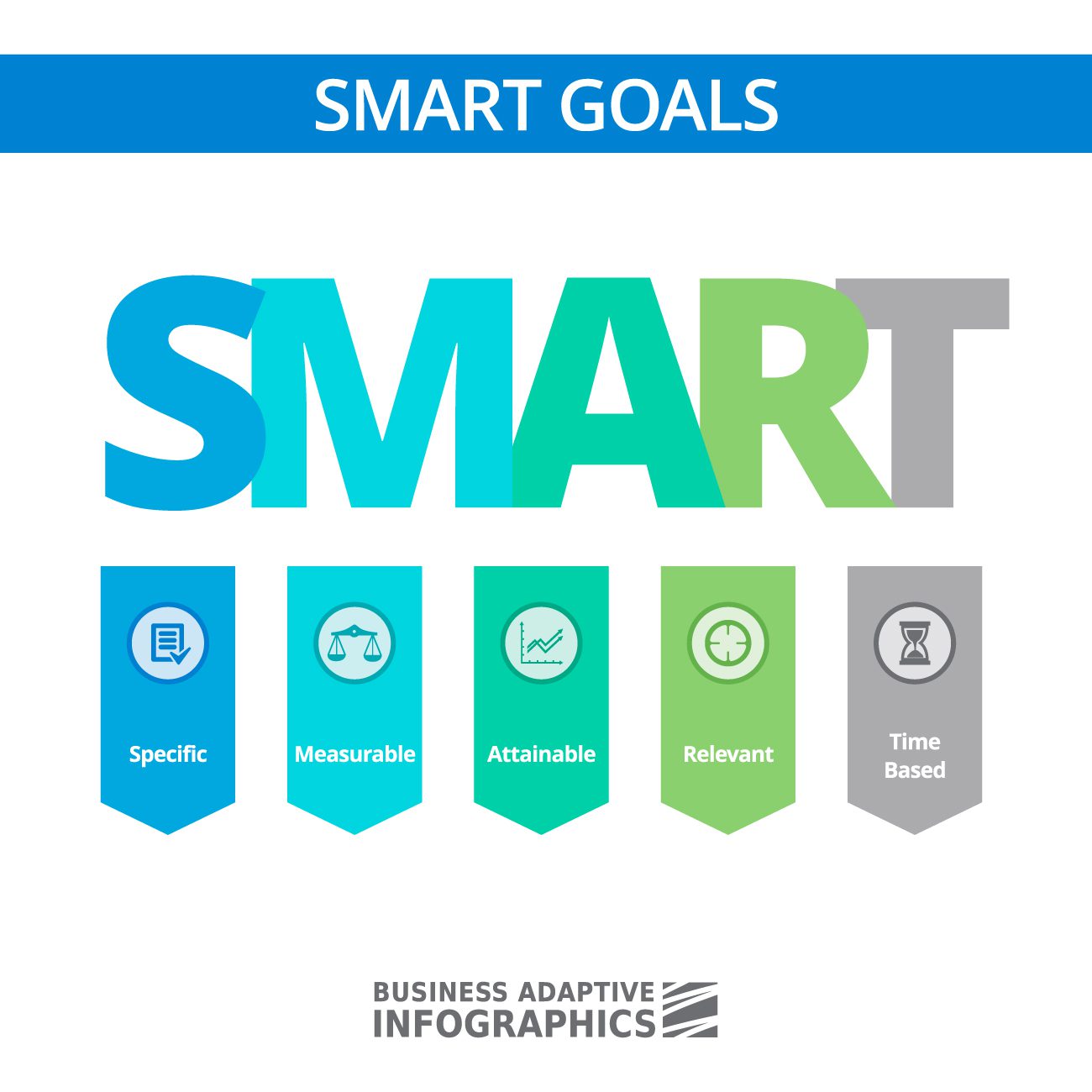
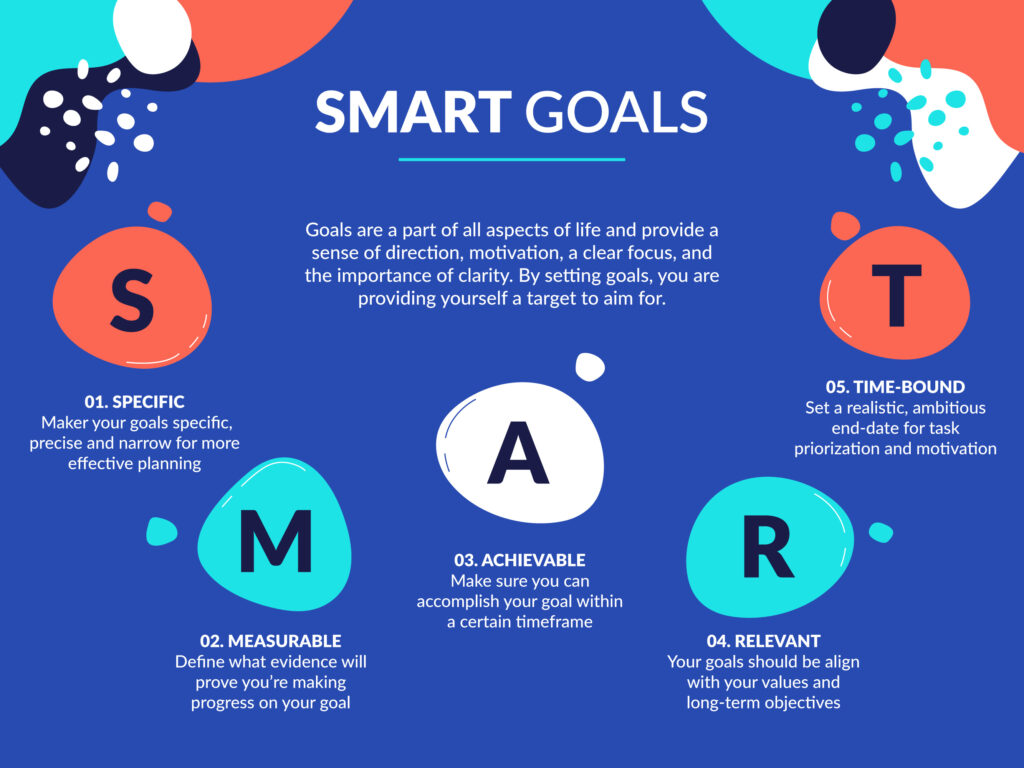
The SMART goal framework is a powerful tool designed to enhance goal-setting effectiveness. It ensures that goals are:

  • Specific – Clearly defined and precise.
  • Measurable – Trackable with tangible outcomes.
  • Achievable – Realistic within your abilities.
  • Relevant – Aligned with your academic priorities.
  • Time-bound – Have a clear deadline.

This framework ensures that students set meaningful, realistic goals that lead to measurable success.


Related: What Are the 10 Life Skills That Will Change Your Life?


Breaking Down SMART Goals for Academic Success

1. Specific: Define Your Goal Clearly

Vague goals lead to vague results. Instead of saying, “I want to get better at math,” try something like:

Example: “I want to improve my algebra grades from a C to a B+ by the end of the semester.”

By specifying your goal, you create a clear path to follow.

2. Measurable: Track Your Progress

How will you know if you’re making progress? Use numbers, milestones, or checkpoints.

Example: “I will complete five algebra practice problems daily and track my accuracy.”

Measuring progress keeps you motivated and allows you to make necessary adjustments.

3. Achievable: Set Realistic Goals

While ambition is great, unrealistic goals can be discouraging. Instead of aiming for straight A’s overnight, start with incremental improvements.

Example: “I will increase my test score by 10% over the next two exams.”

Making goals attainable builds confidence and momentum.

4. Relevant: Align Goals with Your Academic Priorities

Set goals that contribute to your overall success and personal growth. Don’t waste time on irrelevant objectives.

Example: “I will improve my essay writing skills to enhance my performance in English class.”

5. Time-Bound: Set a Deadline

A goal without a deadline is just a wish. Set a time frame to keep yourself accountable.

Example: “I will complete my research paper draft by the end of this week.”


How to Implement SMART Goals in Your Study Routine

Step 1: Write Down Your Goals

Studies show that writing down goals increases commitment. Keep a goal-setting journal to track progress.

Step 2: Break Large Goals into Smaller Steps

Overwhelmed by big goals? Break them down! If your goal is to improve your history grade, start by setting daily study sessions.

Step 3: Use a Planner or Digital Tools

Apps like Notion, Trello, and Google Calendar can help schedule study sessions and reminders.

Step 4: Stay Accountable

Share your goals with a study partner or mentor who can check in on your progress.

Step 5: Reflect and Adjust

Regularly evaluate your progress. If something isn’t working, tweak your strategy.


Real-Life Example: A Student’s SMART Goal in Action

Meet Jake, a high school student struggling with science. Instead of saying, “I need to do better in chemistry,” he set a SMART goal:

Specific: “I want to improve my chemistry grade from a C to a B+.”

Measurable: “I will complete three practice tests and review mistakes every week.”

Achievable: “I will attend two tutoring sessions per week.”

Relevant: “Improving my chemistry grade will help me qualify for my dream college.”

Time-bound: “I will reach my goal by the end of the semester.”

By sticking to his SMART goal, Jake transformed his academic performance and gained confidence.


Final Thoughts: The Power of SMART Goals in Academic Life

Success doesn’t happen overnight, but with the SMART goal framework for students, achieving academic excellence becomes a structured, achievable process. By setting clear, measurable, and realistic goals, you empower yourself to take control of your studies and shape your future.

Remember, small steps lead to big results. Start setting SMART goals today and watch your academic success soar!


How a student changed her study habits by setting goals and managing time | Yana Savitsky | TEDxLFHS

Call to Action

Thank you for exploring this insightful article! If you’re hungry for more knowledge, don’t miss out on our other engaging articles. Dive into our treasure trove of wisdom and discover new perspectives on related topics. Click Our Blog and How to Guide to embark on your next adventure. Happy reading!

FAQs on SMART goal framework for students

1. What are SMART goals for students?

SMART goals help students set clear, realistic objectives to improve academic performance.

2. How do I set a SMART goal for studying?

Define a specific target, measure progress, make it achievable, ensure relevance, and set a deadline.

3. Can SMART goals help with time management?

Yes! SMART goals promote efficient planning and prevent last-minute cramming.

4. How often should I review my SMART goals?

Review them weekly or monthly to track progress and make adjustments.

5. What if I don’t achieve my SMART goal?

Analyze what went wrong, adjust your approach, and try again.

6. Can SMART goals be used for long-term academic success?

Absolutely! They provide structure for both short-term and long-term goals.

7. Are SMART goals only for high school and college students?

No! They work for learners at all levels.

8. Do SMART goals work for group projects?

Yes, they help teams stay focused and accountable.

9. How do I stay motivated while following my SMART goals?

Track progress, celebrate small wins, and seek support from mentors or friends.

10. Where can I find more resources on SMART goal setting?

Check out educational websites like MindTools.com and Edutopia.org for more strategies.

Empower Your Future: Life Skills for Adolescents

Adolescence is a transformative phase—a bridge between childhood and adulthood, filled with excitement, challenges, and self-discovery. But let’s be honest, growing up isn’t just about learning algebra or memorizing historical dates; it’s about mastering the skills that will shape a successful, independent life. From decision-making to emotional intelligence, financial literacy to communication, these life skills for adolescents are the true game changers. Ready to dive in? Let’s explore how these essential skills can set teenagers up for a thriving future!


Why Are Life Skills Important for Adolescents?

Life is unpredictable, and adolescence is the perfect time to build resilience, adaptability, and confidence. Think of life skills as a teenager’s personal toolkit—without them, navigating the adult world can feel overwhelming. These skills help adolescents handle stress, make informed decisions, develop healthy relationships, and become self-sufficient individuals.

Did you know that schools and academic achievements account for only a part of a person’s success? The rest is shaped by social intelligence, emotional strength, and problem-solving abilities. That’s why mastering life skills for adolescents is crucial for personal and professional growth.


Essential Life Skills Every Adolescent Should Learn

1. Emotional Intelligence: The Key to Self-Awareness

Understanding and managing emotions is a fundamental skill. Emotional intelligence helps teenagers develop self-awareness, self-regulation, motivation, empathy, and social skills. It also improves relationships and mental health.

🔹 How to Build It:

  • Encourage journaling to express emotions
  • Practice mindfulness and meditation
  • Teach empathy by discussing different perspectives

2. Effective Communication: Express Yourself Clearly

Strong communication skills can set adolescents apart in personal, academic, and professional life. Whether it’s writing an email, delivering a speech, or simply expressing feelings, communication plays a crucial role.

🔹 Tips for Improvement:


3. Decision-Making: Making Smart Choices

Every day, teenagers face decisions that shape their future. Developing good decision-making skills early can help them avoid impulsive choices and evaluate situations critically.

🔹 Steps to Better Decisions:

  • Consider pros and cons before acting
  • Seek advice but think independently
  • Learn from past experiences

4. Financial Literacy: Managing Money Wisely

Financial literacy isn’t just for adults—it’s essential for teenagers too! Teaching adolescents how to manage money early sets them up for financial stability in the future.

🔹 What They Should Learn:

  • Budgeting and saving habits
  • The basics of credit and loans
  • Importance of avoiding debt

5. Time Management: Balancing Life Like a Pro

With school, extracurricular activities, and social life, time management is a crucial skill. Learning to balance priorities effectively reduces stress and increases productivity.

🔹 Time Management Tips:

  • Use planners or digital calendars
  • Set daily goals and break tasks into chunks
  • Avoid procrastination and distractions

6. Resilience: Bouncing Back from Setbacks

Life is full of ups and downs, and resilience helps adolescents navigate challenges with a positive mindset.

🔹 Ways to Build Resilience:

  • Embrace failures as learning opportunities
  • Develop a support system of friends and mentors
  • Maintain a growth mindset

7. Self-Care and Well-Being: Prioritizing Mental and Physical Health

A strong mind and body are the foundation of success. Adolescents must learn to take care of their mental and physical health to lead a balanced life.

🔹 Self-Care Tips:

  • Get enough sleep and exercise regularly
  • Practice stress-relief activities like yoga or journaling
  • Maintain a nutritious diet

8. Critical Thinking: Analyzing Situations Logically

In an era of misinformation, critical thinking is an essential skill that allows teenagers to question, evaluate, and make logical decisions.

🔹 How to Develop It:

  • Encourage reading and research
  • Discuss and debate different viewpoints
  • Solve puzzles and engage in problem-solving activities

9. Social Skills: Building Meaningful Relationships

Strong social skills help adolescents create positive relationships, work collaboratively, and resolve conflicts effectively.

🔹 Ways to Enhance Social Skills:

  • Engage in group activities and team projects
  • Practice good manners and respect boundaries
  • Learn conflict resolution techniques

10. Goal-Setting: Turning Dreams into Reality

Setting and achieving goals provides teenagers with direction and motivation while also teaching them valuable lessons in discipline and perseverance. This process helps them develop important life skills that will benefit them in the long run.

🔹 How to Set Goals Effectively:

  • Use the SMART goal framework
  • Track progress and adjust plans as needed
  • Stay committed and celebrate small wins

Final Thoughts: Life Skills Shape the Future

Mastering life skills for adolescents isn’t just about surviving—it’s about thriving! These essential skills prepare teenagers for adulthood, helping them navigate life’s challenges with confidence and resilience. Whether it’s managing emotions, making informed decisions, or developing financial wisdom, each skill plays a crucial role in shaping their future.

Investing in life skills today means building a generation that is self-reliant, capable, and ready to take on the world. As the saying goes,


“Give a teen a fish, and you feed them for a day; teach them how to fish, and you feed them for a lifetime.”


Thank you for exploring this insightful article! If you’re hungry for more knowledge, don’t miss out on our other engaging articles. Dive into our treasure trove of wisdom and discover new perspectives on related topics. Click Our Blog and How-to Guide to embark on your next adventure. Happy reading!

FAQs on Life Skills for Adolescents

1. Why are life skills important for teenagers?

Life skills help teens develop independence, confidence, and problem-solving abilities essential for adulthood.

2. How can parents help teenagers develop life skills?

Parents can encourage responsibility, teach financial literacy, and model good decision-making skills.

3. What is the most important life skill for a teenager?

Emotional intelligence is key, as it influences relationships, decision-making, and mental well-being.

4. How can schools integrate life skills education?

Schools can introduce practical workshops, role-playing activities, and real-world problem-solving exercises.

5. What role does time management play in a teenager’s life?

It helps balance academics, social life, and self-care, reducing stress and increasing productivity.

6. How can teenagers improve communication skills?

Engaging in debates, public speaking, and active listening exercises can enhance communication.

7. Why is financial literacy important for adolescents?

It teaches budgeting, saving, and responsible money management, preventing future financial struggles.

8. How does resilience impact teenage development?

Resilience helps teenagers adapt to challenges, learn from failures, and develop a growth mindset.

9. Can life skills be self-taught?

Yes! Reading, practice, and real-life experiences help teenagers acquire and refine life skills.

10. Where can teens learn more about life skills?

Where can teens learn more about life skills? Websites like SkillsYouNeed and Verywell Family provide great resources.

Mastering Life Skills for Solo Travel: A Game-Changer!

Traveling solo is an exhilarating adventure—one that pushes you out of your comfort zone and into a world of self-discovery. Whether you’re exploring a bustling city or trekking through remote landscapes, the ability to adapt, problem-solve, and stay safe is crucial. That’s where life skills for solo travel come into play! In this guide, we’ll dive into the key skills that will make your solo trips not only stress-free but truly empowering. Ready to master the art of independent travel? Let’s go!


Why Life Skills Matter in Solo Travel

Solo travel isn’t just about booking flights and packing bags; it’s about self-reliance, adaptability, and making informed decisions. Without these vital life skills, navigating a foreign land can quickly turn overwhelming. So, what skills do you need to thrive on your own? Let’s break it down “life skills for solo travel“.


“Embrace the unknown, trust your instincts, and let your journey unfold.”


1. Independence: The Backbone of Solo Travel

When you travel alone, you call the shots. You decide where to go, what to eat, and how to spend your time. But independence is more than just making decisions—it’s about taking responsibility for those decisions.

How to Cultivate Independence:

  • Practice making decisions on your own before your trip.
  • Learn basic self-care habits like cooking simple meals and managing daily tasks.
  • Get comfortable with doing things solo, like dining alone or exploring your hometown.

2. Adaptability: Going with the Flow

Travel plans change. Trains get delayed. Hotels overbook. Weather turns bad. Being adaptable ensures that instead of stressing out, you adjust and move forward.

How to Improve Adaptability:

  • Have backup plans for accommodations and transport.
  • Learn a few local phrases to communicate when needed.
  • Stay open to new experiences and embrace unpredictability.

3. Problem-Solving: Thinking on Your Feet

Lost your passport? Missed your flight? These are nightmares for unprepared travelers but manageable situations for those with strong problem-solving skills.

Ways to Sharpen Problem-Solving:

  • Research common travel issues and solutions beforehand.
  • Learn how to use maps and navigation apps efficiently.
  • Practice staying calm and thinking through solutions logically.

4. Budgeting: Stretching Your Money Smartly

Money management is crucial when traveling solo. Without a plan, it’s easy to overspend and run out of cash midway.

Smart Budgeting Tips:

  • Set a daily budget and stick to it.
  • Use budgeting apps like Trail Wallet or Mint.
  • Book accommodations with free breakfast to save on meals.

5. Communication: Connecting with Locals & Fellow Travelers

You don’t need to be fluent in multiple languages, but strong communication skills can help you navigate and make meaningful connections.

How to Improve Communication Skills:

  • Learn key phrases in the local language.
  • Use non-verbal communication effectively.
  • Be confident and approachable when speaking to strangers.

Related: The concept of clarity in communication: Comprehensive Guide.


6. Self-Defense & Safety Awareness: Staying Secure

Being alone in unfamiliar places can be risky. Learning basic safety skills can make all the difference.

Safety Tips for Solo Travelers:

  • Trust your instincts—if something feels off, leave.
  • Carry a whistle or personal alarm.
  • Learn self-defense techniques or carry a safety tool like a doorstop alarm.

7. Emotional Resilience: Managing Loneliness & Stress

Solo travel isn’t always glamorous. There will be moments of loneliness and stress. The key is learning how to handle them.

Ways to Build Emotional Resilience:

  • Stay connected with loved ones through video calls.
  • Keep a travel journal to process your experiences.
  • Engage in activities that bring you joy, like reading or photography.

[Need some real-life inspiration? Check out these insightful travel guides on NomadicMatt.com and TheBlondeAbroad.com before we dive into our conclusion!]


Conclusion

Mastering life skills for solo travel is about more than just navigating a foreign land—it’s about personal growth, confidence, and embracing the unexpected. By developing independence, adaptability, problem-solving abilities, and safety awareness, you’ll not only survive but thrive on your solo adventures. So pack your bags, trust your skills, and embark on a journey of self-discovery!


7 Life Lessons Learned Through Travel | Jay Shetty

Thank you for exploring this insightful article! If you’re hungry for more knowledge, don’t miss out on our other engaging articles waiting for you. Dive into our treasure trove of wisdom and discover new perspectives on related topics. Click ‘Our Blog‘ and ‘How to Guide‘ to embark on your next adventure. Happy reading!

FAQs on life skills for solo travel

1. What is the most important life skill for solo travel?

Independence is key! Being able to make decisions and handle challenges on your own is essential.

2. How can I stay safe while traveling alone?

Trust your instincts, stay aware of your surroundings, and use safety tools like a whistle or personal alarm.

3. What if I feel lonely while traveling solo?

Connect with fellow travelers, join group tours, or keep in touch with family and friends online.

4. How do I manage money while traveling alone?

Set a budget, use travel-friendly banking options, and track your expenses with apps.

5. How can I become more adaptable to travel challenges?

Practice dealing with unexpected situations at home and learn to embrace changes as part of the adventure.

6. What should I do if I lose my passport abroad?

Contact your country’s embassy immediately and keep digital copies of important documents.

7. How do I meet people while traveling alone?

Stay in hostels, join travel groups, or attend local events and meetups.

8. How can I overcome the fear of solo travel?

Start small—take local solo trips first and gradually venture further as you gain confidence.

9. What apps can help me as a solo traveler?

Google Maps, Hostelworld, Duolingo, and XE Currency are great tools for navigation and budgeting.

10. How do I balance planning and spontaneity?

Have a rough itinerary but leave room for spontaneous adventures—sometimes, the best experiences are unplanned!

Teaching Life Skills to Children: A Game-Changer for Their Future

Why Teaching Life Skills to Children Is a Must

Ever wondered why some kids grow up confident and independent while others struggle with everyday challenges? The secret lies in teaching life skills to children from an early age. These essential skills empower them to navigate the real world, fostering resilience, responsibility, and success. But what exactly are life skills, and how can you instill them in your child?

In this guide, we’ll explore the significance of life skills, the best methods to teach them, and practical strategies you can apply in daily life. Let’s dive in!


What Are Life Skills?

Life skills are practical abilities that help individuals handle daily responsibilities and social interactions effectively. They include everything from communication and decision-making to financial literacy and emotional intelligence. The World Health Organization (WHO) categorizes life skills into three broad areas:

  1. Thinking Skills: Problem-solving, critical thinking, decision-making, and creativity.
  2. Social Skills: Communication, empathy, teamwork, and conflict resolution.
  3. Emotional Skills: Self-awareness, stress management, and emotional regulation.

Children who develop these skills early are better prepared for adulthood, making them more independent and capable individuals.


The Importance of Teaching Life Skills to Children

Teaching life skills isn’t just about preparing kids for the future—it’s about equipping them to handle life’s challenges today. Here’s why it’s crucial:

  • Builds Confidence: Kids who can solve problems and make decisions feel more confident in their abilities.
  • Encourages Independence: Life skills teach children to take responsibility for their actions.
  • Enhances Social Interaction: Effective communication and empathy lead to stronger relationships.
  • Prepares for the Future: Practical skills like financial literacy and time management are essential for adulthood.

Now that we know why life skills matter, let’s explore some of the most important skills children should learn.


Essential Life Skills Every Child Should Learn

1. Communication Skills

Being able to express thoughts clearly and listen actively is crucial for success in all areas of life. Encourage children to:

2. Problem-Solving and Critical Thinking

Teaching kids how to approach problems logically helps them become independent thinkers. Try these methods:

  • Play strategy games like chess or puzzles.
  • Encourage them to find solutions to everyday problems, such as organizing their room efficiently.
  • Ask open-ended questions that require thoughtful responses.

3. Financial Literacy

Understanding money management is crucial. Teach children to:

  • Save money in a piggy bank or a child-friendly banking app.
  • Differentiate between needs and wants.
  • Set financial goals and budget for small expenses.

4. Emotional Intelligence

Managing emotions and understanding others’ feelings are vital for personal and professional success. Help children develop emotional intelligence by:

  • Teaching them to recognize and name their emotions.
  • Encouraging journaling or mindfulness exercises.
  • Role-playing scenarios that require empathy.

5. Time Management

Children need to learn how to prioritize tasks. Practical ways to teach time management include:

  • Using planners or visual schedules.
  • Teaching them to break tasks into smaller steps.
  • Setting timers for different activities to develop a sense of urgency.

How to Teach Life Skills to Children

1. Lead by Example

Kids learn best by watching adults. Show them how to handle responsibilities, make decisions, and manage stress effectively.

2. Use Real-Life Situations

Take advantage of daily experiences to teach important skills. Grocery shopping can teach budgeting, while cooking can enhance problem-solving abilities.

3. Encourage Responsibility

Give children age-appropriate chores, such as setting the table or organizing their toys, to instill a sense of responsibility.

4. Practice Role-Playing

Use scenarios like ordering food at a restaurant or handling a disagreement to teach effective communication and decision-making.

5. Make Learning Fun

Engage children with games, storytelling, and interactive activities to keep them motivated.


Final Thoughts

Teaching life skills to children is one of the best investments you can make in their future. It prepares them for the real world, boosts their confidence, and helps them lead successful lives. Start small, be consistent, and make the learning process enjoyable.

Remember, life skills aren’t just taught—they’re lived. So, set an example, encourage independence, and watch your child flourish!


Thank you for exploring this insightful article! If you’re hungry for more knowledge, don’t miss out on our other engaging articles waiting for you. Dive into our treasure trove of wisdom and discover new perspectives on related topics. Click ‘Our Blog’ and ‘How to Guide’ to embark on your next adventure. Happy reading!


FAQs on Teaching Life Skills to Children

1. What is the best age to start teaching life skills?

You can start as early as toddlerhood with simple skills like cleaning up toys and progress as they grow.

2. How do I teach my child to be independent?

Encourage them to make choices, take responsibility for tasks, and solve problems on their own.

3. What are the most important life skills for kids?

Communication, problem-solving, financial literacy, emotional intelligence, and time management are essential.

4. Can schools teach life skills?

Yes! Many schools incorporate life skills programs, but reinforcement at home is equally important.

5. How can I make life skills learning fun?

Use games, role-playing, and real-world experiences to keep children engaged.

6. What if my child resists learning life skills?

Start small, use positive reinforcement, and lead by example to make learning appealing.

7. How do life skills benefit a child’s future?

They promote confidence, independence, social skills, and overall success in adulthood.

8. Should life skills be part of the school curriculum?

Absolutely! Schools should integrate practical life lessons alongside academic subjects.

9. How do I teach financial literacy to kids?

Start with allowances, savings jars, and explaining the difference between needs and wants.

10. How long does it take for a child to develop life skills?

It’s a lifelong process, but consistency in teaching and practice speeds up mastery.

Life Skills for New Parents: Master Parenthood with Confidence

Life Skills for New Parents

Becoming a parent is one of the most rewarding yet challenging experiences in life. It’s a whirlwind of emotions, sleepless nights, and endless responsibilities. But guess what? You’re not alone! Mastering the right life skills can help you navigate this incredible journey with confidence and joy. In this guide, we’ll dive into essential life skills for new parents, ensuring you’re well-equipped to handle everything from time management to emotional resilience. Let’s get started!


Why Are Life Skills Important for New Parents?

Raising a child isn’t just about feeding and changing diapers; it’s about nurturing their emotional, mental, and social development. Having the right life skills can help you:

✔ Balance work and family life ✔ Handle stress and emotions effectively ✔ Improve communication with your partner and child ✔ Foster a loving and supportive environment ✔ Develop problem-solving skills for unexpected challenges

So, let’s break down the essential life skills for new parents that will make your journey smoother and more enjoyable.


Related: Who’s Top 10 Essential Life Skills for Everyone in 2024


1. Time Management: Making Every Moment Count

One of the biggest struggles for new parents is time management. Juggling work, house chores, self-care, and taking care of your little one can be overwhelming. But with the right strategies, you can maximize your time and reduce stress.

Tips for Effective Time Management:

  • Prioritize tasks: Not everything needs to be done immediately. Focus on what’s important.
  • Create a flexible schedule: Babies can be unpredictable, so allow room for adjustments.
  • Use technology wisely: Set reminders, use parenting apps, and automate chores where possible.
  • Share responsibilities: If you have a partner, divide tasks to lighten the load.
  • Don’t forget self-care: You can’t pour from an empty cup—take time for yourself too.

2. Emotional Resilience: Handling Stress Like a Pro

Parenthood comes with its fair share of stress and emotional ups and downs. Developing emotional resilience can help you stay calm and handle challenges more effectively.

How to Build Emotional Resilience:

  • Practice mindfulness: Take deep breaths, meditate, or simply focus on the present moment.
  • Accept imperfection: No parent is perfect, and that’s okay. Learn as you go.
  • Seek support: Talk to friends, join parenting groups, or seek professional advice if needed.
  • Laugh it off: Humor is a great stress reliever—embrace the chaos and enjoy the ride!

3. Communication Skills: Strengthening Family Bonds

Clear and effective communication is crucial in parenting. Whether it’s with your partner, family members, or your little one, how you communicate sets the tone for a harmonious home.

Effective Communication Strategies:

  • Active listening: Give your full attention when your partner or child is speaking.
  • Express needs clearly: Don’t expect others to read your mind—speak up about what you need.
  • Encourage open conversations: Create a safe space where everyone feels heard and valued.
  • Use positive reinforcement: Praise your child’s efforts rather than focusing on mistakes.

Related: Concept of Clarity in Communication


4. Financial Management: Smart Parenting on a Budget

Raising a child can be expensive, but smart financial planning can help you stay on track without breaking the bank.

Smart Budgeting Tips for Parents:

  • Plan ahead: Set up a savings fund for unexpected expenses.
  • Buy in bulk: Stock up on essentials like diapers and baby food when discounts are available.
  • Avoid unnecessary expenses: Babies don’t need the latest gadgets—focus on the essentials.
  • Explore second-hand options: Many baby items can be reused or bought second-hand in great condition.

5. Problem-Solving: Tackling Challenges with Ease

Every day as a parent presents new challenges. Whether it’s dealing with tantrums, sleepless nights, or balancing work and family, problem-solving skills will be your best friend.

Steps to Effective Problem-Solving:

  • Identify the problem: What exactly is the issue at hand?
  • Brainstorm solutions: Think of different ways to handle the situation.
  • Test and adapt: If one method doesn’t work, try another until you find what suits your family best.
  • Learn from experience: Every challenge is a learning opportunity—embrace it!

6. Patience and Adaptability: Go with the Flow

No two days in parenthood are the same. Being patient and adaptable will help you handle unexpected situations with ease.

How to Cultivate Patience and Adaptability:

  • Take deep breaths before reacting.
  • Remind yourself that challenges are temporary.
  • Be flexible with routines and expectations.
  • Celebrate small wins.

Related : A Guide for First-Time Parents


7. Self-Care: Because You Matter Too

Taking care of yourself is just as important as taking care of your baby. When you’re happy and healthy, you’re a better parent.

Self-Care Tips for New Parents:

  • Sleep whenever you can—yes, even if it’s just a short nap.
  • Eat nutritious meals to keep your energy levels up.
  • Stay active with light exercises like stretching or walking.
  • Find ‘me time’ to do something you love, even if it’s just for 10 minutes.

Final Thoughts

Parenthood is a beautiful, messy, and transformative journey. By developing these life skills for new parents, you’ll be better equipped to handle challenges while embracing the joys of raising a child. Remember, there’s no one-size-fits-all approach—do what works best for you and your family. You’ve got this!

10 Baby Care Skills Every New Parent Should Learn

Thank you for exploring this insightful article! If you’re hungry for more knowledge, check out our other engaging articles on parenting and life skills. Click ‘Our Blog’ and ‘How to Guide’ to embark on your next adventure. Happy reading!


FAQs on life skills for new parents

1. What are the most important life skills for new parents?

Time management, emotional resilience, communication, financial planning, problem-solving, patience, and self-care.

2. How can new parents manage stress effectively?

Practice mindfulness, accept imperfection, seek support, and find humor in the chaos.

3. How do I balance work and parenting?

Prioritize tasks, set a flexible schedule, and share responsibilities with your partner.

4. What are some financial tips for new parents?

Plan ahead, buy essentials in bulk, avoid unnecessary expenses, and explore second-hand options.

5. How can I improve communication with my child?

Practice active listening, encourage open conversations, and use positive reinforcement.

6. What’s the best way to handle sleepless nights?

Take turns with your partner, nap whenever possible, and establish a bedtime routine.

7. Why is self-care important for new parents?

A happy and healthy parent is better equipped to care for their child.

8. How can I be more patient as a new parent?

Practice deep breathing, adjust expectations, and celebrate small victories.

9. What parenting mistakes should I avoid?

Over-scheduling, neglecting self-care, and expecting perfection.

10. Where can I find more resources on parenting?

Websites like Parents.com and BabyCenter offer great advice for new parents.

Exit mobile version