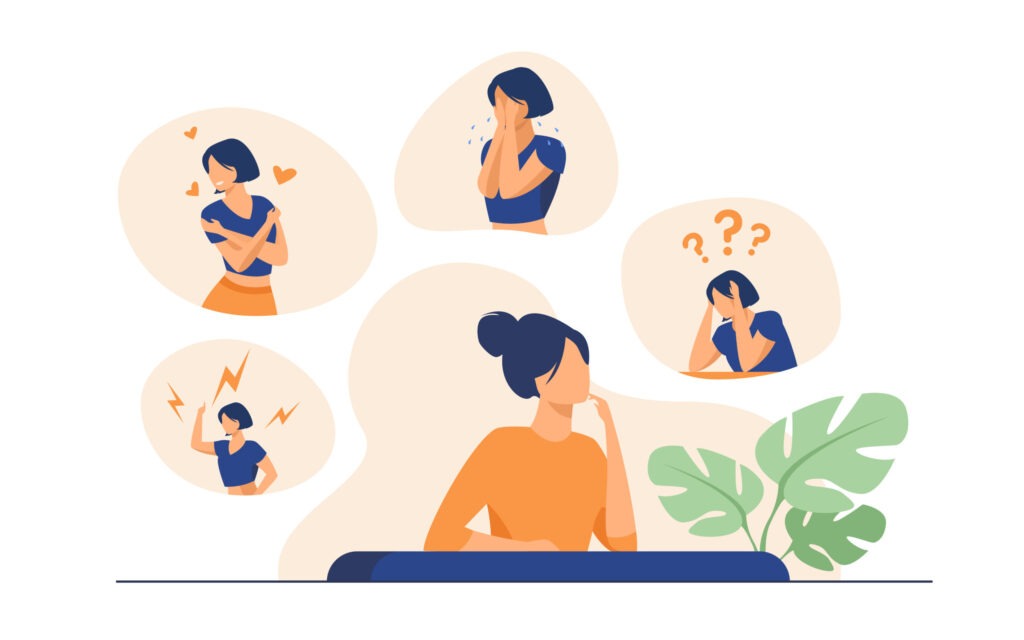
Unlock Your Potential: The Importance of Coping Skills in Daily Life

In today’s fast-paced world, mastering coping skills is not just an option; it’s a necessity. Life throws curveballs at us, testing our resilience and emotional strength. How we handle these challenges defines our character and shapes our destiny. As a freelance trainer deeply passionate about empowering individuals and organizations, I invite you to delve into the transformative power of coping skills and understand why they are indispensable in our daily lives.

The Transformative Power of Coping Skills

Coping skills are the mental and emotional tools that we all possess to manage the challenges of life effectively. Whether it’s a sudden crisis, a long-term stressor, or a personal setback, having robust coping mechanisms can make all the difference in how we respond.

Why Coping Skills Matter:

1. Building Emotional Resilience:
Emotional resilience is the ability to bounce back from adversity. Coping skills enhance your emotional resilience, enabling you to handle setbacks with composure and grace.

2. Strengthening Relationships:
Effective communication, active listening, and empathy are fundamental coping skills that foster healthy relationships. They are the pillars of successful personal and professional interactions.

3. Managing Stress and Anxiety:
Life is inherently stressful, but how we respond to stressors can significantly impact our overall well-being. Coping skills provide us with strategies to manage stress and anxiety, promoting mental and emotional balance.

4. Enhancing Problem-Solving Abilities:
Coping skills empower you to approach problems with a clear and focused mind. They encourage creative thinking and help in finding solutions even in the face of complex challenges.

5. Improving Self-Confidence:
Believing in oneself is a vital life skill. Coping skills boost self-confidence by teaching you to handle failures, rejections, and criticisms constructively. This newfound confidence propels you towards your goals and dreams.

Harnessing Coping Skills in Daily Life:

  • Cultivating Coping Skills: Coping skills are not innate traits; instead, they are abilities that can be cultivated and refined through consistent practice and unwavering determination. Acknowledging this fundamental truth is the first step towards empowering oneself to face life’s challenges head-on. By understanding that coping skills are learned behaviors, individuals can embark on a transformative journey of self-discovery and resilience.
  • Acknowledging Emotions and Identifying Triggers:One of the foundational aspects of developing coping skills is self-awareness. This involves acknowledging your emotions, whether they are positive or negative. Understanding the range of emotions you experience equips you with the knowledge to respond effectively. Moreover, identifying triggers – situations or events that provoke emotional responses – is crucial. By recognizing these triggers, you can work on managing your reactions, leading to better emotional regulation.

Building a Support System:

No one should face life’s challenges alone. Developing a robust support system is integral to honing coping skills. Friends, family, and professionals can offer valuable guidance and encouragement during difficult times. Their perspectives, advice, and reassurance provide a sense of belonging and help in navigating the complexities of life. In times of distress, reaching out to this support network can offer solace and practical solutions, reinforcing your coping mechanisms.

Engaging in Joyful Activities:

Engaging in activities that bring joy and relaxation is a powerful coping strategy. Hobbies, whether it’s painting, gardening, or playing a musical instrument, provide an outlet for creative expression and stress relief. Exercise, too, plays a significant role in coping with life’s challenges. Regular physical activity not only enhances physical health but also releases endorphins, reducing stress and promoting a sense of well-being. Additionally, practices like meditation and mindfulness cultivate inner peace and emotional stability, enabling individuals to face adversity with a calm mind.

Setting Realistic Goals and Boundaries:

Setting realistic goals and boundaries is essential for managing expectations and reducing unnecessary stress. Coping skills are amplified when individuals establish achievable objectives. These goals serve as stepping stones, providing a sense of accomplishment and motivation. Simultaneously, setting boundaries is crucial for self-preservation. Knowing when to say no and prioritizing your well-being is a coping skill in itself. Healthy boundaries safeguard your emotional and mental health, allowing you to focus your energy on what truly matters.

Seeking Help When Needed:

Lastly, it’s important to acknowledge that seeking help is a sign of strength, not weakness. If you find yourself struggling, whether with emotional challenges, mental health issues, or life transitions, don’t hesitate to seek professional assistance. Therapists, counselors, and support hotlines are valuable resources. Their expertise can provide tailored coping strategies, helping you navigate complex emotions and situations effectively.

References:
For further insights on building coping skills, I recommend exploring articles on reputable websites like Positive Psychology and Verywell Mind. Additionally, you can enrich your understanding by watching empowering YouTube videos from channels like TED Talks and The School of Life.

In conclusion, remember that life’s challenges are opportunities for growth. By mastering coping skills, you can navigate the ups and downs of life with resilience and grace. Embrace the transformative power of coping skills and unlock your full potential.

Thank you for exploring this insightful article. If you’re hungry for more knowledge, don’t miss out on our other engaging articles waiting for you. Dive into our treasure trove of wisdom and discover new perspectives on related topics. Click ‘Our Blog‘ and ‘How to Guide‘ to embark on your next adventure. Happy reading!

Frequently Asked Questions (FAQs) about Coping Skills in Daily Life

Q1: What are coping skills, and why are they important in daily life?
Ans: Coping skills are mental and emotional strategies that help individuals manage stress, challenges, and difficult situations effectively. They are crucial in daily life because they empower individuals to navigate various obstacles, maintain emotional well-being, and build resilience.

Q2: Are coping skills innate, or can they be developed?
Ans: Coping skills are not innate; they can be cultivated and refined through practice and determination. With self-awareness and consistent effort, individuals can develop and enhance their coping mechanisms over time.

Q3: How can I acknowledge my emotions and identify triggers effectively?
Ans: Acknowledging emotions involves being aware of your feelings without judgment. Identifying triggers requires self-reflection to recognize situations or events that provoke emotional responses. Journaling, therapy, and mindfulness exercises are helpful tools in this process.

Q4: Why is having a support system important for coping skills?
Ans: A support system, comprising friends, family, or professionals, provides emotional validation, guidance, and encouragement. Sharing your thoughts and feelings with others can offer different perspectives, helping you cope better with challenges.

Q5: What are some joyful activities that can help in coping with stress?
Ans: Engaging in hobbies like painting, gardening, or playing musical instruments can bring joy and relaxation. Regular exercise, meditation, and mindfulness practices are also effective in reducing stress and enhancing coping abilities.

Q6: How can I set realistic goals and boundaries to manage stress effectively?
Ans: Setting realistic goals involves breaking down larger tasks into manageable steps. It’s important to prioritize tasks and be realistic about what you can accomplish. Setting boundaries means learning to say no when necessary, ensuring you don’t overcommit and become overwhelmed.

Q7: When should I seek professional help for coping with challenges?
Ans: If you find it challenging to cope with emotions, stress, or life transitions, it’s advisable to seek professional help. Therapists, counselors, or mental health professionals can provide tailored coping strategies and support to help you navigate difficult situations.

Q8: Can coping skills be learned from online resources?
Ans: Yes, there are numerous online resources, including articles, videos, and courses, that offer guidance on developing coping skills. However, for personalized support, it’s recommended to consult mental health professionals or therapists who can provide individualized coping strategies.

Understanding Coping Mechanisms: A Comprehensive Guide

Welcome to an enriching journey toward understanding coping mechanisms, a vital aspect of life skills. In today’s fast-paced world, resilience and adaptability are crucial tools for navigating the myriad challenges life throws at us. As a freelance trainer deeply passionate about empowering individuals and organizations, I am excited to share this comprehensive guide, tailored to enhance your coping strategies and foster personal growth.

Unraveling Coping Mechanisms: What Are They?

At its core, coping mechanisms are the psychological strategies and behaviors people employ to deal with stressors, adversity, or trauma. These mechanisms vary from person to person, shaping our emotional responses and determining our ability to manage difficult situations effectively.

The Power of Self-Awareness: Acknowledging Your Coping Style

Understanding one’s coping style is the first step towards mastering this essential life skill. Whether you’re inclined towards problem-focused coping, seeking solutions directly, or emotion-focused coping, managing emotional responses, self-awareness paves the way for healthier coping mechanisms. Recognizing your patterns enables targeted growth.

Building Resilience: Strengthening Your Coping Arsenal

Resilience, often referred to as the cornerstone of coping, can be cultivated. This section delves into actionable steps to bolster your resilience, including mindfulness practices, fostering a positive mindset, and nurturing social connections. By embracing these strategies, you not only navigate challenges more adeptly but also emerge stronger and more resilient.

Healthy Coping vs. Unhealthy Escapes: Drawing the Line

It’s crucial to differentiate between healthy coping mechanisms, such as exercising, journaling, or seeking support, and unhealthy escapes like substance abuse or avoidance. This part of the guide offers insights into identifying negative coping patterns and provides guidance on shifting towards healthier alternatives.

Understanding Healthy Coping

Healthy coping strategies are mechanisms that allow us to address the root causes of our stress and anxiety. They empower us to face challenges head-on, building resilience and emotional strength. Some examples include:

  1. Mindfulness and Meditation: Practicing mindfulness helps us stay present, reducing anxiety and stress. Meditation techniques enhance self-awareness and promote a sense of calm.
  2. Physical Activity: Regular exercise not only benefits our physical health but also releases endorphins, improving our mood and reducing stress.
  3. Healthy Communication: Talking to friends, family, or a therapist about our feelings can provide valuable insights, emotional release, and support.
  4. Creative Outlets: Engaging in creative activities like painting, writing, or playing music can serve as a therapeutic way to express emotions and find solace.
  5. Healthy Lifestyle Choices: Adequate sleep, balanced nutrition, and avoiding excessive alcohol and caffeine contribute significantly to emotional well-being.
Recognizing Unhealthy Escapes

Unhealthy escapes, on the other hand, offer temporary relief but fail to address the underlying issues. They often create a cycle of dependency and can lead to addiction and worsening mental health. Some examples include:

  1. Substance Abuse: Relying on drugs or alcohol to numb pain or escape reality can lead to addiction, damaging both physical and mental health.
  2. Excessive Screen Time: Spending excessive hours on social media or streaming platforms might provide a distraction, but it often exacerbates feelings of loneliness and inadequacy.
  3. Emotional Eating: Using food as a coping mechanism, especially high-sugar and high-fat foods, can provide momentary comfort but leads to long-term health problems.
  4. Avoidance: Ignoring problems and refusing to confront them might provide short-term relief, but the issues continue to grow, causing more significant distress later.
Drawing the Line

Recognizing the line between healthy coping and unhealthy escapes is vital for personal growth and mental well-being. Healthy coping mechanisms empower us and promote long-term resilience, while unhealthy escapes offer fleeting relief but can trap us in a cycle of dependency and worsening mental health.

Real-Life Examples: Stories of Triumph Over Adversity

Drawing inspiration from real-life examples can be profoundly motivating. Explore stories of individuals who have overcome significant challenges using effective coping mechanisms. These narratives illustrate the power of resilience, determination, and the human spirit.

Here are a few real-life examples of individuals who triumphed over adversity:

  1. Malala Yousafzai: Malala is a Pakistani activist for female education who defied the Taliban’s ban on girls’ education in Pakistan. Despite being shot in the head by a Taliban gunman at the age of 15, she survived and continued her advocacy for girls’ education. Malala became the youngest-ever Nobel Prize laureate and is an inspiration to millions around the world.
  2. Nick Vujicic: Nick was born without arms and legs due to a rare disorder. Despite his physical challenges, he became a motivational speaker, author, and the director of Life Without Limbs, a non-profit organization for people with physical disabilities. He travels the world inspiring others to live a life without limits.
  3. Bethany Hamilton: Bethany is a professional surfer who lost her left arm in a shark attack at the age of 13. She didn’t let this setback deter her passion for surfing. After intense rehabilitation and determination, she returned to professional surfing and even won several championships. Her story was turned into a movie called “Soul Surfer.”
  4. Nelson Mandela: Mandela spent 27 years in prison for his anti-apartheid activism in South Africa. After his release, he played a crucial role in ending apartheid and establishing a democratic South Africa. He became the country’s first black president, emphasizing forgiveness and reconciliation, making him a symbol of hope and resilience.
  5. J.K. Rowling: Before becoming a renowned author of the Harry Potter series, Rowling was a struggling single mother living on welfare. She faced numerous rejections from publishers before her first book was accepted. Her perseverance led her to become one of the best-selling authors in history, proving that setbacks can be a stepping stone to success.
  6. Stephen Hawking: Despite being diagnosed with a rare form of motor neurone disease at the age of 21, Hawking continued his groundbreaking work in theoretical physics. He made significant contributions to our understanding of the universe and became a bestselling author. His life and achievements demonstrated the power of the human mind even in the face of severe physical limitations.
  7. Rosa Parks: Often called the “mother of the civil rights movement,” Rosa Parks refused to give up her bus seat to a white passenger in Montgomery, Alabama, in 1955. Her act of defiance led to the Montgomery Bus Boycott and became a pivotal moment in the American civil rights movement, inspiring generations of activists.

These individuals faced immense challenges but managed to overcome them, leaving a lasting legacy of strength, resilience, and determination.

References and Resources:

For further exploration, I recommend visiting reputable websites like Psychology Today and Verywell Mind. Additionally, YouTube channels like TED Talks and The School of Life offer insightful videos on coping mechanisms and personal development.

In the intricate tapestry of life, coping mechanisms are the threads that help us weave through challenges, emerge stronger, and embrace our destiny with grace. As you embark on your journey of understanding and mastering these techniques, remember: your ability to cope is not just a skill; it’s a testament to your inner strength and resilience.

Thank you for embarking on this enlightening exploration of coping mechanisms. If you’re hungry for more knowledge, don’t miss out on our other engaging articles waiting for you. Dive into our treasure trove of wisdom and discover new perspectives on related topics. Click ‘Our Blog‘ and ‘How to Guide‘ to embark on your next adventure. Happy reading!

Frequently Asked Questions (FAQs) – Understanding Coping Mechanisms

Q1: What are coping mechanisms, and why are they important?
Ans. Coping mechanisms are psychological strategies and behaviors individuals use to deal with stressors and challenges. They are vital because they help us manage difficult situations, reduce stress, and enhance resilience, leading to better overall well-being.

Q2: How can I identify my coping style?
Ans. Self-awareness is key. Reflect on how you typically respond to stress. Do you seek solutions directly (problem-focused coping) or manage emotional responses (emotion-focused coping)? Recognizing your patterns is the first step toward understanding your coping style.

Q3: What are some healthy coping mechanisms?
Ans. Healthy coping mechanisms include exercise, mindfulness, journaling, seeking support from friends or professionals, and engaging in hobbies. These activities promote emotional well-being and resilience.

Q4: Can coping mechanisms be learned and improved?
Ans. Absolutely. Coping skills can be learned, practiced, and refined over time. By adopting positive coping strategies, individuals can enhance their ability to navigate challenges effectively.

Q5: How do I differentiate between healthy and unhealthy coping mechanisms?
Ans. Healthy coping mechanisms contribute to your overall well-being without causing harm. Examples include talking to friends, practicing relaxation techniques, or engaging in creative activities. Unhealthy coping mechanisms, such as substance abuse or avoidance, provide temporary relief but can lead to long-term problems.

Q6: Is it possible to change negative coping patterns?
Ans. Yes, with awareness and effort, negative coping patterns can be changed. Recognizing these patterns and consciously choosing healthier alternatives, like seeking therapy or counseling, can facilitate positive change.

Q7: Are coping mechanisms the same for everyone?
Ans. No, coping mechanisms vary from person to person. What works for one individual might not work for another. It’s essential to find coping strategies that resonate with your personality and situation.

Q8: How can I help someone who is struggling with coping?
Ans. Listening, offering support, and encouraging them to seek professional help if needed are valuable ways to support someone struggling with coping. Avoid judgment and be patient; everyone’s journey is different.

Q9: Can coping mechanisms improve mental health?
Ans. Yes, effective coping mechanisms are closely linked to improved mental health. By managing stress and building resilience, individuals can reduce symptoms of anxiety, depression, and other mental health conditions.

Q10: Where can I find more resources on coping mechanisms and personal development?
Ans. For more in-depth insights and resources, reputable websites like Psychology Today and Verywell Mind offer articles and guides on coping strategies. Additionally, YouTube channels such as TED Talks and The School of Life feature videos on personal development and coping mechanisms.

Empower Your Journey: Mastering Negotiation Skills for Personal and Professional Triumph

In today’s fast-paced world, negotiation skills have become a vital asset, both in personal interactions and professional endeavors. As a passionate freelance trainer, I am here to guide you through the transformative power of mastering negotiation skills. Join me on this enlightening journey towards self-discovery and empowerment.

Welcome to an insightful exploration of negotiation skills, where we delve deep into the art of effective communication and strategic decision-making. In a world brimming with opportunities and challenges, honing your negotiation skills is your ticket to success.

Understanding the Power of Negotiation:

Negotiation isn’t just a conversation; it’s a dance of words and emotions. It’s about understanding the needs of both parties and finding a mutually beneficial solution. With the right negotiation skills, you can turn conflicts into collaborations, hurdles into stepping stones, and challenges into triumphs.

Thought: “Negotiation is not about winning battles; it’s about building bridges.”

The Key Elements of Successful Negotiation: Strategies for Triumph

Negotiation, often viewed as an intricate dance of words and emotions, is an indispensable skill in today’s multifaceted world. Whether you’re navigating a complex business deal or resolving a disagreement with a friend, mastering the art of negotiation can open doors to mutually beneficial outcomes. Here, we dissect the key elements that constitute successful negotiation strategies, empowering you to navigate any negotiation scenario with confidence and finesse.

1.Active Listening

At the heart of every successful negotiation lies the art of active listening. It’s not merely hearing words but understanding the underlying emotions, concerns, and motivations of the parties involved. Active listening involves giving your full attention to the speaker, absorbing their message, and demonstrating your engagement through verbal and non-verbal cues. By truly understanding the other party’s perspective, you lay the groundwork for a more empathetic and constructive negotiation process.

2.Empathy and Understanding

Empathy forms the cornerstone of effective negotiation. It’s the ability to comprehend and share the feelings of another person, putting yourself in their shoes. When you approach negotiations with empathy, you create an atmosphere of mutual respect and trust. Understanding the emotions and concerns of the other party allows you to tailor your communication style and proposals, fostering a sense of cooperation. By acknowledging the human element in negotiations, you pave the way for genuine, lasting agreements.

3.Preparation and Knowledge

One of the most overlooked yet crucial elements of successful negotiation is thorough preparation. Knowledge is power, and in negotiation, it translates to confidence. Research the subject matter extensively, understand the context, and anticipate potential challenges. Prepare a well-thought-out strategy, outlining your objectives, priorities, and potential concessions. The more prepared you are, the more adaptable and resilient you’ll be during negotiations. A well-prepared negotiator is equipped to handle unexpected twists and turns, ensuring they remain in control of the negotiation process.

4.Clear Communication

Clear and concise communication is the backbone of successful negotiation. Expressing your thoughts, needs, and expectations in a straightforward manner minimizes misunderstandings and ambiguity. Be assertive without being aggressive, and choose your words carefully to convey your message effectively. Additionally, encourage the other party to express their thoughts openly. Transparent communication builds trust and allows both parties to collaborate more efficiently towards finding common ground.

5.Patience and Adaptability

Negotiations often require patience and flexibility. It’s essential to remain calm under pressure and avoid impulsive decisions. Be willing to adapt your approach based on new information or changing circumstances. Patience allows you to weather disagreements and gives room for creative solutions to emerge. A patient negotiator is better positioned to navigate complex issues, ensuring that the negotiation process remains constructive and focused on achieving a mutually satisfactory agreement.

Incorporating these key elements into your negotiation toolkit empowers you to handle diverse situations with finesse and confidence. By mastering the art of active listening, empathy, preparation, clear communication, and patience, you unlock the door to successful negotiations, fostering relationships and driving positive outcomes in both personal and professional spheres.

Thought: “In negotiation, clarity is your best friend. Crystal-clear communication fosters understanding.”

References:
For further insights, explore these resources:

  1. Website Article:What is the Art of Negotiation?” by Harvard Law School
  2. YouTube Video:The Art of Negotiation” by Maria Poumaki on TEDx Talks

As we wrap up this enlightening journey into negotiation skills, remember that mastering this art is not just a professional advantage; it’s a life skill that can transform your personal relationships and enhance your overall quality of life.
Thank you for exploring this insightful article! If you’re hungry for more knowledge, don’t miss out on our other engaging articles waiting for you. Dive into our treasure trove of wisdom and discover new perspectives on related topics. Click ‘Our Blog‘ and ‘How to Guide‘ to embark on your next adventure. Happy reading!

Frequently Asked Questions (FAQs) About Mastering Negotiation Skills

Q1: Why are negotiation skills essential in both personal and professional settings?
Ans: Negotiation skills are vital because they empower individuals to communicate effectively, resolve conflicts, and reach mutually beneficial agreements. In personal life, these skills enhance relationships, while in professional contexts, they facilitate successful business transactions and collaborations.

Q2: How can active listening improve negotiation outcomes?
Ans: Active listening involves fully engaging with the speaker, understanding their perspective, and responding thoughtfully. By actively listening, negotiators can uncover underlying concerns, build trust, and demonstrate empathy, leading to more constructive and productive negotiations.

Q3: What role does empathy play in successful negotiations?
Ams: Empathy allows negotiators to understand the emotions and motivations of the other party. It fosters a sense of understanding and rapport, creating a positive atmosphere for negotiation. Empathetic negotiators can tailor their approaches to accommodate the needs and concerns of all parties involved, leading to more satisfying outcomes.

Q4: How can one prepare effectively for a negotiation?
Ans: Effective preparation involves researching the subject matter, understanding the parties involved, and anticipating potential challenges. It also includes setting clear objectives, priorities, and alternatives. A well-prepared negotiator is confident, adaptable, and capable of navigating various negotiation scenarios with ease.

Q5: What are some common communication challenges in negotiations, and how can they be overcome?
Ans: Common communication challenges in negotiations include misunderstandings, misinterpretations, and lack of clarity. These challenges can be overcome by practicing clear and transparent communication, asking clarifying questions, and actively seeking feedback. Cultivating open dialogue and encouraging all parties to express their thoughts can also mitigate communication barriers.

Q6: Why is emotional intelligence important in negotiation?
Ans: Emotional intelligence enables negotiators to recognize and manage their emotions and understand the emotions of others. It helps in maintaining composure under pressure, building rapport, resolving conflicts, and influencing decisions. Negotiators with high emotional intelligence can create positive emotional experiences, fostering trust and collaboration.

Q7: How can flexibility and adaptability enhance negotiation outcomes?
Ans: Flexibility and adaptability allow negotiators to adjust their strategies based on new information or changing circumstances. Being open to alternative solutions and creative approaches enables negotiators to explore various options and find mutually satisfactory agreements. It prevents negotiations from becoming stagnant and encourages innovative problem-solving.

Q8: What is the role of patience in negotiations, and how does it contribute to successful outcomes?
Ans: Patience in negotiations is essential because it prevents impulsive decisions and allows negotiators to endure through disagreements and challenges. Patient negotiators can wait for the right opportunities, maintain a calm demeanor, and give space for creative solutions to emerge. Patience fosters a constructive atmosphere and contributes to long-lasting, mutually beneficial agreements.

Empower Your Journey: Mastering Assertiveness Skills for a Confident Tomorrow

Welcome to a transformative journey towards mastering assertiveness skills – the key to unlocking your true potential and building unshakable confidence. As a passionate freelance trainer dedicated to empowering individuals and organizations, I am here to guide you through the nuances of assertiveness, the cornerstone of effective communication and self-assurance.

Understanding Assertiveness: Embracing Your Inner Strength

In a world brimming with diverse personalities and opinions, mastering assertiveness is your passport to expressing your thoughts, needs, and desires with clarity and confidence. Assertiveness is not about being aggressive; it’s about standing up for yourself while respecting others. It’s the fine art of balancing empathy with self-assurance, creating a harmonious environment in both personal and professional spheres.

Developing Assertive Communication Skills: Your Path to Success

Assertiveness in Communication: Finding Your Voice

In the intricate web of human interactions, communication stands tall as the linchpin that connects us all. Assertive communication, in particular, is a skill that transcends mere words; it is the art of expressing your thoughts, emotions, and needs openly and honestly while respecting the rights and opinions of others. Mastering assertive communication is not just a valuable skill; it’s your path to success in both personal relationships and the professional world.

Understanding Assertive Communication: The Core Principles

1. Clarity and Directness:

Assertive communicators are clear and direct about their needs and boundaries. They express themselves in a straightforward manner, ensuring that their message is not lost in ambiguity. By being specific and concise, assertive individuals convey their thoughts effectively, leaving no room for misunderstandings.

2. Active Listening:

One of the fundamental aspects of assertiveness is active listening. It involves not just hearing the words but understanding the emotions and intentions behind them. When you practice active listening, you show respect for the speaker, fostering a sense of trust and openness in the conversation. This reciprocal respect forms the foundation of assertive communication.

3. ‘I’ Statements:

Assertiveness is not about blaming or accusing others; instead, it focuses on expressing your feelings and thoughts using ‘I’ statements. For instance, saying “I feel frustrated when deadlines are not met” is more effective than blaming someone directly. ‘I’ statements take responsibility for your emotions, making it easier for others to empathize and respond positively.

Developing Assertive Communication Skills: Practical Steps

1. Self-Reflection:

Understanding your communication style is the first step toward assertiveness. Reflect on your past interactions. Identify patterns where you might have been passive, aggressive, or assertive. Recognizing areas that need improvement is the foundation for growth.

2. Practice Empathy:

Empathy is the cornerstone of assertiveness. Put yourself in others’ shoes to comprehend their perspectives and emotions. By understanding their feelings, you can respond in a way that is considerate and respectful, leading to more positive outcomes in conversations.

3. Role-Playing:

Engage in role-playing exercises where you practice assertive responses to various situations. These simulations allow you to refine your communication skills in a safe and controlled environment, boosting your confidence in real-life interactions.

4. Seek Feedback:

Request feedback from trustworthy friends, family, or colleagues. They can provide valuable insights into your communication style, highlighting areas of improvement and affirming the aspects where you excel. Constructive criticism is a powerful tool for personal growth.

Assertive Communication in Professional Settings: Navigating Challenges

In the workplace, assertive communication is indispensable. It enables you to negotiate effectively, handle conflicts professionally, and advocate for your ideas. Assertive individuals command respect, fostering positive work environments where collaboration thrives, and productivity soars.

Assertive Communication in Personal Relationships: Building Strong Bonds

In personal relationships, assertiveness paves the way for meaningful connections. By expressing your feelings, setting boundaries, and addressing concerns assertively, you foster mutual respect and understanding. It promotes healthy relationships where both parties feel valued and heard, strengthening the bond between them.

In essence, assertive communication is not just a skill; it’s a mindset that empowers you to navigate life’s complexities with grace and confidence. By embracing the principles of assertive communication, you embark on a transformative journey, shaping your path to success in every aspect of life.

Overcoming Challenges: Assertiveness in Adversity

In the intricate dance of life, challenges are inevitable. How we confront them defines our character and shapes our destiny. Assertiveness, the art of expressing oneself while respecting others, emerges as the beacon guiding us through adversities, both in the workplace and personal relationships. Join us on this transformative journey as we explore the profound impact of assertiveness in overcoming challenges and fostering meaningful connections.

Assertiveness at Work: Navigating Office Dynamics

Mastering Conflict Resolution with Assertiveness

In the bustling corridors of professional life, conflicts often arise. Assertiveness equips you with the tools to handle these conflicts gracefully. By addressing concerns directly and assertively, you create an atmosphere of open communication, paving the way for collaborative problem-solving. Setting boundaries in the workplace ensures your voice is heard and your contributions recognized, fostering a positive and productive environment.

Advocacy and Assertiveness: Propelling Your Career

Assertiveness is the driving force behind career progression. It empowers you to advocate for your ideas and accomplishments, ensuring you receive due recognition. By mastering the art of assertive communication, you not only navigate office politics but also propel your career to new heights. Assertiveness isn’t just a skill; it’s your ticket to a fulfilling and successful professional life.

Assertiveness in Relationships: Building Meaningful Connections

Honesty and Respect: The Pillars of Assertive Relationships

In the realm of personal relationships, assertiveness becomes the cornerstone of authentic connections. It promotes honesty, allowing you to express your emotions openly and respectfully. By embracing assertiveness, you create an environment where trust thrives. Clear communication, emotional expression, and setting boundaries strengthen bonds, fostering relationships that are built on a foundation of mutual respect and understanding.

Conflict Resolution in Relationships: The Assertive Approach

Conflicts are natural in any relationship; what matters is how we resolve them. Assertiveness enables you to address issues without aggression or avoidance. By expressing your concerns assertively, you encourage healthy dialogue, leading to resolutions that strengthen your relationship rather than strain it. Assertiveness in relationships isn’t about winning; it’s about understanding and finding common ground.

Embracing Your Assertive Destiny: A Call to Action

Remember, assertiveness is not a trait; it’s a skill you can develop and refine. By honing your assertiveness skills, you’re investing in a future filled with confidence, respect, and meaningful connections. Start your journey today, and witness the transformative power of assertiveness in your life.

Thought: “Confidence is silent. Insecurities are loud.”

Website Article References:

Forbes : The Power Of Assertiveness And How It Can Change Your Life

YouTube Video Reference:

Conclusion:

Thank you for embarking on this empowering journey to master assertiveness skills. As you navigate the intricacies of effective communication and self-assurance, remember that assertiveness is the key to unlocking a future filled with confidence and success. If you’re hungry for more knowledge, don’t miss out on our other engaging articles waiting for you. Dive into our treasure trove of wisdom and discover new perspectives on related topics. Click ‘Our Blog‘ and ‘How to Guide‘ to embark on your next adventure. Happy reading!

Unlocking Success: Mastering Networking Skills for Personal and Professional Growth

In today’s fast-paced world, the ability to build meaningful connections is a priceless skill. Networking skills not only pave the way for professional success but also enrich our personal lives. As a passionate freelance trainer committed to empowering individuals, I am thrilled to guide you through the transformative journey of mastering networking skills.

Table of Contents

The Power of Networking: Connecting Beyond Borders

In a world driven by connections, networking is an art that goes beyond exchanging business cards. It’s about fostering genuine relationships, understanding diverse perspectives, and creating opportunities. As the saying goes, “Your network is your net worth.” By mastering networking skills, you can expand your horizons and open doors to endless possibilities.

The Key Elements of Effective Networking

Networking isn’t just about swapping business cards or connecting on LinkedIn; it’s a nuanced art that involves building genuine, long-lasting relationships. Whether you’re an aspiring entrepreneur, a seasoned professional, or someone simply looking to expand their social circle, mastering the key elements of effective networking can significantly impact your personal and professional life.

1. Authenticity: The Foundation of Genuine Connections

Authenticity is the cornerstone of effective networking. People can sense sincerity, and it forms the basis of trust in any relationship. Be yourself, share your experiences genuinely, and show a real interest in others. Authenticity builds credibility and fosters meaningful connections.

2. Active Listening: The Power of Understanding

One of the most overlooked aspects of networking is active listening. When engaging in a conversation, focus on the speaker. Listen not just to their words, but also to their tone, body language, and emotions. By understanding the unspoken, you can respond thoughtfully, demonstrating your genuine interest in the other person.

3. Reciprocity: Giving and Receiving

Networking is a two-way street. Instead of approaching it with a mindset of what you can gain, think about what you can offer. Whether it’s sharing knowledge, providing assistance, or offering support, being generous creates a positive impression. People are more likely to reciprocate your gestures, leading to mutually beneficial relationships.

4. Follow-Up: Nurturing Connections

Networking doesn’t end after the initial meeting. Following up is crucial for nurturing relationships. Send a personalized email expressing your pleasure in meeting them, reference something specific from your conversation, and express your interest in staying connected. This not only reinforces your memory in their minds but also shows your genuine interest in the relationship.

5. Body Language: Non-Verbal Communication

Your body language speaks volumes before you even utter a word. Maintain eye contact, offer a firm handshake, and exude confidence. Open and positive body language makes you approachable and trustworthy. Remember, your non-verbal cues often leave a lasting impression.

6. Emotional Intelligence: Understanding Emotions

Being emotionally intelligent is crucial in networking. Understand your own emotions and be empathetic towards others’. This understanding allows you to navigate social situations effectively, respond to various personalities, and handle conflicts diplomatically. Emotional intelligence enables you to connect with people on a deeper level.

7. Diversity and Inclusivity: Embracing Differences

Effective networking transcends cultural and social boundaries. Embrace diversity and inclusivity in your network. Interact with people from different backgrounds, industries, and cultures. Diverse networks offer varied perspectives, enriching your own understanding and broadening your horizons.

8. Confidence: Projecting Self-Assurance

Confidence is magnetic. Believe in yourself and your abilities. Confidence not only makes you more appealing to others but also allows you to initiate conversations, ask insightful questions, and present yourself and your ideas persuasively. Cultivate confidence, and you’ll find it easier to network in any setting.

In conclusion, effective networking is a blend of authenticity, active listening, reciprocity, follow-up, positive body language, emotional intelligence, embracing diversity, and confidence. Mastering these key elements not only enhances your networking skills but also enriches your personal and professional life, opening doors to new opportunities and meaningful relationships.

Transformative Networking in the Digital Age

In our interconnected world, digital networking plays a pivotal role. Social media platforms, professional networks, and online communities offer a vast arena for building connections. Embrace the digital landscape and harness its power to expand your network globally. Remember, “Your digital presence shapes your destiny.”

Expert Insights: Learn from the Best

Website References:

  1. Harvard Business Review: Explore insightful articles on effective networking strategies and the psychology behind successful connections.
  2. Forbes: Discover expert advice on personal branding and networking techniques for professional growth.

YouTube Video Reference:

Simon Sinek: How Great Leaders Inspire Action: Gain valuable insights into the art of communication and creating meaningful connections from renowned author and speaker, Simon Sinek.

Embrace Your Networking Journey

As you embark on this transformative journey of mastering networking skills, remember that every connection you make has the potential to shape your destiny. Expand your network, foster meaningful relationships, and watch how your personal and professional life flourishes.

Thank you for exploring this insightful article. If you’re hungry for more knowledge, don’t miss out on our other engaging articles waiting for you. Dive into our treasure trove of wisdom and discover new perspectives on related topics. Click ‘Our Blog‘ and ‘How to Guide‘ to embark on your next adventure. Happy reading!

Your network is your destiny. Start shaping it today.

Frequently Asked Questions (FAQs) about Networking Skills

Q1: What are networking skills, and why are they important in today’s world?

Networking skills refer to the ability to create and nurture professional and social relationships. In today’s interconnected world, these skills are vital as they open doors to opportunities, foster collaboration, and enhance personal and professional growth.

Q2: Can introverts be good at networking?

Absolutely. Networking is not reserved for extroverts only. Introverts can excel by focusing on deep, meaningful connections rather than large social gatherings. Listening actively and showcasing their expertise in smaller settings can be highly effective for introverts.

Q3: How can I start networking if I have limited professional contacts?

Begin with your existing circle – friends, family, classmates, or colleagues. Attend industry events, seminars, or workshops to meet professionals. Online platforms like LinkedIn are excellent for connecting with people in your field. Remember, every connection counts, no matter how small.

Q4: What is the role of digital networking in today’s professional landscape?

Digital networking, facilitated by social media platforms and professional networks, allows individuals to connect globally. It helps in building a personal brand, staying updated with industry trends, and accessing a vast pool of knowledge and opportunities.

Q5: How can I make a memorable first impression during networking events?

A firm handshake, maintaining eye contact, and a genuine smile are basics. Additionally, prepare a concise and engaging introduction. Ask open-ended questions to show interest, and actively listen to the responses. Being genuinely curious about others leaves a lasting impression.

Q6: What is the importance of follow-up in networking?

Follow-up is crucial as it shows your genuine interest in the relationship. Send a personalized email or message after meeting someone, referencing your conversation. This keeps the connection alive and often leads to fruitful collaborations or opportunities in the future.

Q7: How can I handle networking in a professional setting if I’m still a student or new to the workforce?

Students and newcomers can focus on their eagerness to learn. Attend networking events hosted by your school or industry. Be open about your goals, ask for advice, and express your enthusiasm. Many professionals are willing to help newcomers and share valuable insights.

Q8: How can I maintain a work-life balance while networking?

Balance is key. Set boundaries and allocate specific times for networking activities. Quality networking often surpasses quantity. Prioritize events and connections that align with your goals and interests, ensuring your networking efforts are effective and manageable.

Q9: Is it better to have a few strong connections or a large network?

Quality always trumps quantity in networking. Cultivate a few strong, genuine connections rather than having a vast, superficial network. Strong connections are more likely to offer support, collaborations, and valuable advice when needed.

Q10: How can I overcome the fear of networking and approach it with confidence?

Preparation and practice can boost confidence. Research about the event and potential attendees. Prepare a few conversation starters and practice them. Remember, everyone is there to network, and most people appreciate a friendly, approachable attitude. With time and practice, networking anxiety tends to diminish.

Exit mobile version