
Conflict Resolution: Proven Strategies for Effective Solutions

In a world where interactions and relationships are integral to both personal and professional success, conflicts are inevitable. However, how we navigate and resolve these conflicts can significantly impact the quality of our relationships and the outcomes we achieve. Welcome to a comprehensive guide on Resolving Conflicts Constructively. Here are with a wealth of proven strategies that not only aid in effective conflict resolution but also empower individuals and teams to foster stronger connections.

Understanding Conflict: A Prerequisite to Resolution

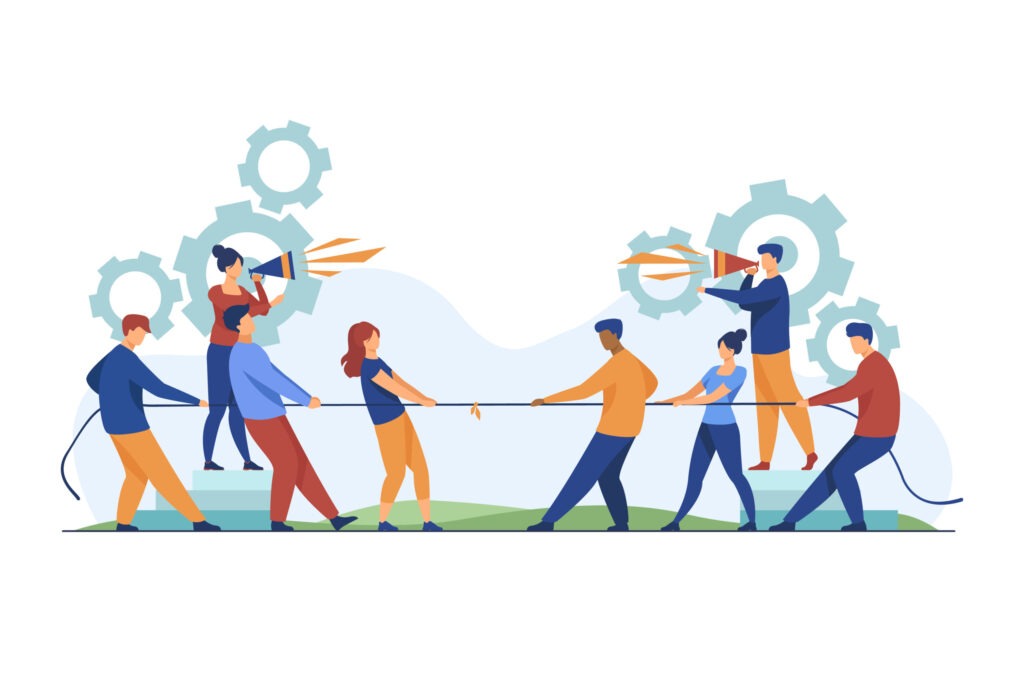
Before diving into the strategies that can revolutionize your conflict resolution approach, it’s essential to grasp the essence of conflict itself. Conflict is a natural result of diverse perspectives, needs, and desires colliding. It often arises due to miscommunication, unmet expectations, or differing viewpoints. By acknowledging the inevitability of conflict, you can approach resolution with a positive and solution-oriented mindset.

The Power of Active Listening

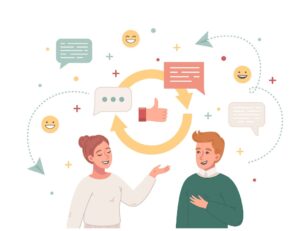
At the heart of every successful conflict resolution lies the art of active listening. This skill involves more than just hearing words; it encompasses understanding the emotions, concerns, and motivations behind them. When engaged in a conflict, make a conscious effort to truly listen to the other party without interrupting or formulating your response. This empathetic approach not only validates their feelings but also opens doors to effective dialogue.

Constructive Communication: Bridging the Gap

Communication is the cornerstone of conflict resolution. Adopting a constructive communication style can transform a potentially heated exchange into a productive conversation. Focus on using “I” statements to express your feelings and needs, fostering a non-confrontational environment. Encourage the other party to do the same, promoting understanding and empathy.

Collaborative Problem-Solving: A Win-Win Approach

One of the most powerful conflict resolution strategies is collaborative problem-solving. Instead of viewing the conflict as a win-lose situation, approach it as an opportunity for mutual growth. Sit down with the other party and brainstorm solutions together. This not only ensures that both perspectives are considered but also paves the way for innovative and effective resolutions.

Emotional Intelligence: Mastering Your Emotions

Emotions often run high during conflicts, which can hinder rational decision-making. Developing emotional intelligence allows you to manage your own emotions and understand those of others. Self-awareness enables you to identify your triggers and reactions, while empathy empowers you to comprehend the emotions driving the other party. By maintaining emotional balance, you can navigate conflicts with grace and composure.

Seeking Mediation: A Neutral Ground

In cases where conflicts escalate or involve multiple parties, seeking mediation can provide a neutral and controlled environment for resolution. A trained mediator facilitates communication, ensures all perspectives are heard, and guides the parties toward a mutually satisfactory solution. Mediation often leads to quicker and more enduring resolutions, preserving relationships and preventing further escalation.

The Role of Compromise

Compromise is a powerful tool in conflict resolution, allowing both parties to find middle ground. It’s important to approach compromise with a willingness to give and take. Identify the core issues at hand and prioritize them, allowing for flexibility on less crucial matters. Through a balanced and fair compromise, you can reach solutions that address both parties’ needs.

Learning and Growth: Lessons from Conflict

Every conflict presents an opportunity for personal and professional growth. Reflection on the conflict and its resolution can provide valuable insights into your communication style, triggers, and areas for improvement. Encourage open and honest feedback from the other party, and be willing to learn from the experience. By continuously refining your conflict resolution skills, you contribute to a harmonious and productive environment.

Conclusion

In a world where conflicts are a natural part of human interactions, mastering the art of resolving them constructively is a valuable skill that transcends personal and professional spheres. Through active listening, constructive communication, collaborative problem-solving, emotional intelligence, and a willingness to learn and compromise, you can transform conflicts into opportunities for growth and connection.

Remember, effective conflict resolution isn’t about avoiding conflicts altogether; it’s about navigating them with respect, empathy, and a commitment to finding solutions that benefit all parties involved.
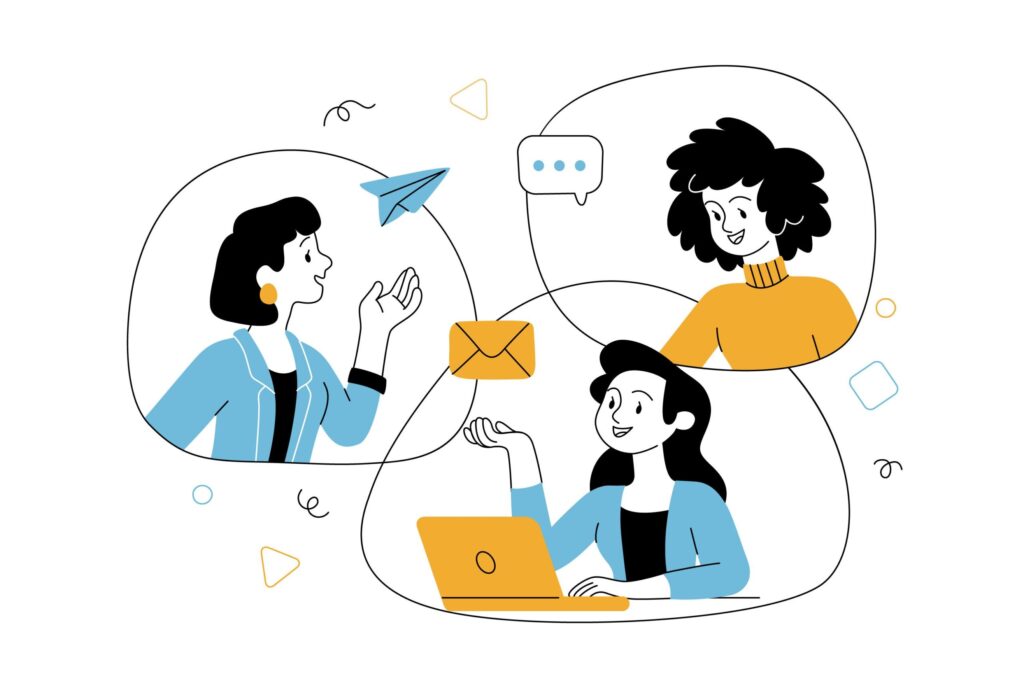
Mastering Effective Communication: Tips for Better Conversations

In a world where communication reigns supreme, mastering effective communication skills is an indispensable asset that can significantly enhance your personal and professional life. Whether you’re navigating complex business negotiations, nurturing relationships, or simply engaging in everyday conversations, the power of effective communication cannot be underestimated. Communication plays a vital role in personal and professional sphere, and here is with comprehensive insights and invaluable tips to help you become a master communicator.

The Art of Active Listening

Active listening is the cornerstone of effective communication. It involves not just hearing the words spoken but truly understanding the emotions, concerns, and intentions behind them. When engaged in a conversation, devote your full attention to the speaker. Maintain eye contact, nod in agreement, and show genuine interest in what they’re saying. By doing so, you not only foster a deeper connection but also gain insights that can guide your responses.

Clarity and Conciseness

Clarity and conciseness go hand in hand when it comes to effective communication. Crafting your messages with precision eliminates misunderstandings and ensures your point is conveyed accurately. Avoid using jargon or convoluted language that may confuse your audience. Instead, opt for clear and straightforward words that resonate with your listeners.

Non-Verbal Communication

It’s often said that actions speak louder than words, and this couldn’t be truer in the realm of communication. Non-verbal cues, such as facial expressions, gestures, and body language, can convey emotions and attitudes that words might not capture. Maintaining an open posture, offering a firm handshake, and smiling warmly can instantly create a positive impression and establish rapport.

Empathy and Understanding

Empathy forms the bedrock of effective communication. Putting yourself in someone else’s shoes allows you to understand their perspective, feelings, and needs. When engaged in a conversation, show empathy by acknowledging the other person’s emotions and validating their experiences. This not only builds trust but also encourages open and honest dialogue.

Constructive Feedback

Providing and receiving feedback is an essential aspect of communication, especially in professional settings. When offering feedback, focus on the specific behavior or outcome rather than making it personal. Constructive feedback should be actionable, highlighting areas for improvement while recognizing strengths. On the receiving end, approach feedback with an open mind, viewing it as an opportunity for growth.

Adaptability in Communication Styles

Effective communicators are versatile and adapt their communication style to suit different situations and audiences. Whether you’re addressing colleagues, clients, or friends, tailor your language, tone, and content to resonate with your listeners. This adaptability enhances understanding and engagement, ensuring your message is received positively.

Conflict Resolution

Conflict is inevitable in any human interaction, but how it’s managed can make or break relationships. Master communicators approach conflicts with patience, active listening, and a focus on finding common ground. By addressing concerns calmly and seeking solutions collaboratively, you can transform conflicts into opportunities for growth and strengthened relationships.

Storytelling as a Communication Tool

Storytelling transcends cultures and generations, making it a powerful tool for effective communication. Weaving relevant anecdotes and narratives into your conversations can capture your audience’s attention and make complex concepts more relatable. A well-told story has the ability to evoke emotions, drive home key messages, and create a lasting impact.

Digital Communication Etiquette

In today’s digital age, mastering effective communication extends to the virtual realm. When communicating through emails, texts, or social media, practice proper etiquette. Use clear subject lines, maintain a professional tone, and avoid misinterpretation by choosing your words carefully. Emojis and exclamation points can add warmth, but use them judiciously to maintain professionalism.

Continuous Learning and Improvement

Effective communication is a skill that can always be refined and improved. Keep learning by seeking feedback, attending communication workshops, and studying successful communicators. Stay updated on communication trends and technologies to remain relevant in an ever-evolving landscape.

In conclusion, mastering effective communication is a journey that requires dedication, self-awareness, and a genuine desire to connect with others. By honing your active listening skills, fostering empathy, adapting to different communication styles, and embracing continuous learning, you can become a master communicator who navigates conversations with finesse and creates meaningful connections.

Decision-making: Navigating the Path to Informed Choices

In today’s dynamic and ever-evolving world, mastering the art of effective decision-making is paramount. Decisions shape our lives, influencing our personal and professional trajectories. At times, making decisions can be daunting, but with the right approach, you can empower yourself to navigate the complex maze of choices confidently and assertively. In this comprehensive guide, we delve deep into the realm of decision-making, unraveling its intricacies and providing you with invaluable insights to make informed choices that resonate with your goals and aspirations.

Understanding Decision-making: A Multifaceted Perspective

The Cognitive Process of Decision-making

At its core, decision-making is a cognitive process through which we select a course of action from various alternatives. The human brain employs a series of mental steps to arrive at a decision. These steps involve identifying the problem, gathering relevant information, analyzing potential outcomes, and ultimately arriving at a choice that aligns with our objectives.

The Emotional Dimension

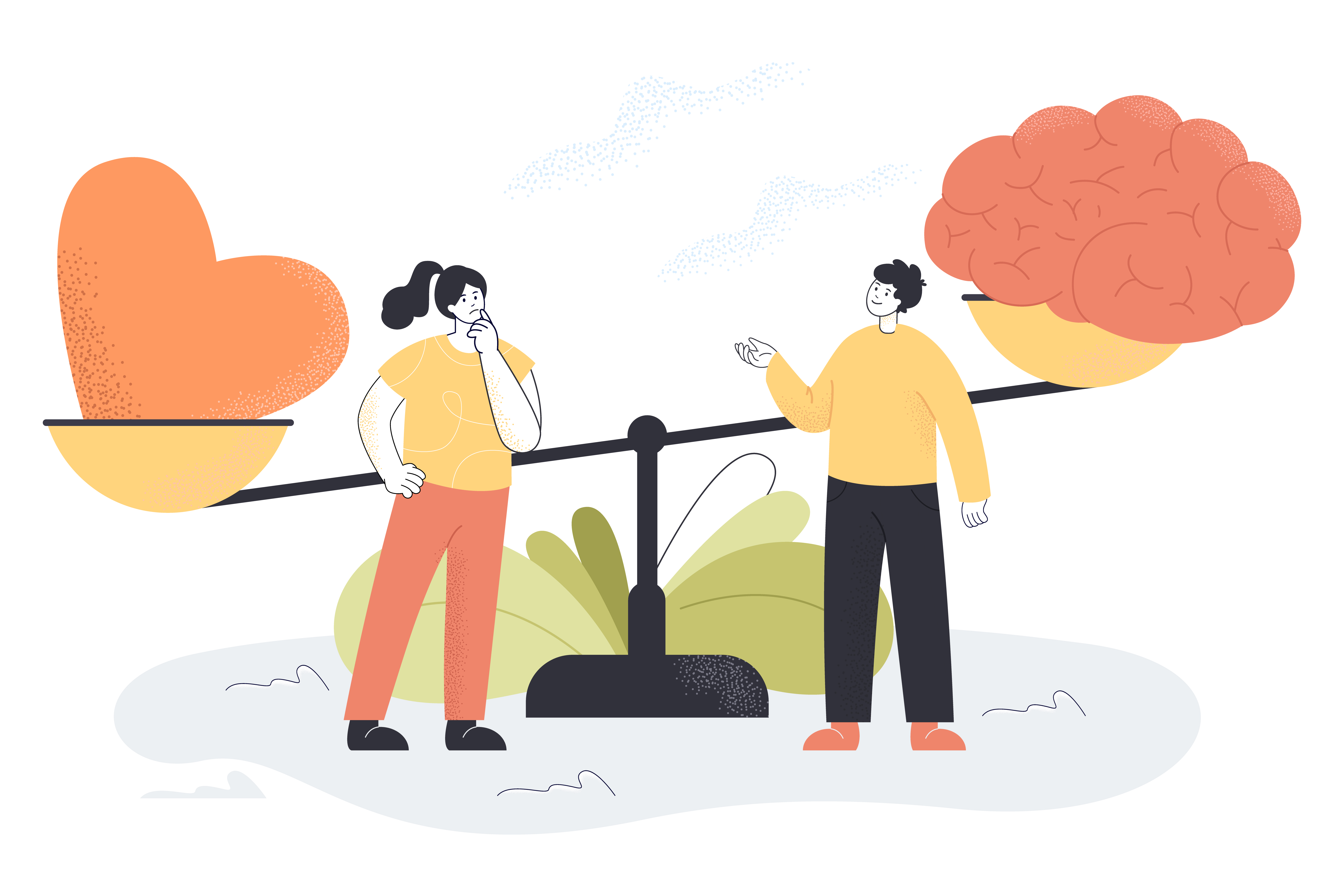
However, decision-making isn’t solely a rational process. Emotions play a pivotal role in shaping our choices. Psychologists suggest that our emotions often guide us, acting as a compass that steers us toward options that resonate with our values and desires. Balancing cognitive analysis with emotional resonance is key to optimal decision-making.

Mastering the Art of Decision-making

Cultivating Self-awareness

Self-awareness forms the foundation of effective decision-making. Understanding your values, strengths, and weaknesses allows you to make choices that align with your authentic self. Engage in introspection to uncover your motivations and priorities – this clarity will serve as a guiding light in the decision-making process.

Information Gathering and Analysis

In the digital age, information is abundant, but discerning relevant and reliable data is crucial. Thorough research arms you with the knowledge needed to evaluate options critically. Consider the potential outcomes of each alternative, weighing the pros and cons. Engage in a SWOT analysis – assessing strengths, weaknesses, opportunities, and threats – to gain a holistic perspective.

The Power of Strategic Planning

Effective decision-making is often rooted in strategic planning. Set clear objectives and delineate the path to achieving them. Break down complex choices into smaller, manageable steps. This approach not only simplifies the decision-making process but also bolsters your confidence in the chosen course of action.

Embracing Risk and Uncertainty

Life is inherently uncertain, and decisions inevitably carry an element of risk. Embrace calculated risks, viewing them as opportunities for growth and learning. Analyze potential consequences and develop contingency plans to mitigate unfavorable outcomes. Remember, some of the most significant achievements stem from audacious decisions.

Decision-making in Professional Spheres

Corporate Leadership

In the corporate landscape, decision-making assumes a strategic dimension. Leaders must navigate intricate choices that impact their organizations and stakeholders. Incorporating data-driven insights, fostering collaboration, and aligning decisions with long-term visions are essential components of effective leadership decision-making.

Entrepreneurial Ventures

Entrepreneurs often find themselves at crossroads, making choices that can shape the trajectory of their ventures. The ability to assess market trends, anticipate consumer needs, and adapt swiftly contributes to successful decision-making in the entrepreneurial realm.

Conclusion

In the tapestry of life, decision-making threads its way through every facet. Harnessing the power of informed choices empowers us to sculpt our destinies and embrace opportunities. Cultivate self-awareness, gather and analyze information, and strategize thoughtfully to navigate the labyrinth of decisions effectively. Remember, every choice is a stepping stone toward your aspirations.

Life Development Skills – Practical Life Skills


Importance of Practical Life Skills: Nurturing Success in Everyday Living

In today’s  fast-paced world, possessing practical life skills has become essential for navigating the complexities of daily life. Practical life skills encompass a broad range of abilities that enable individuals to tackle challenges, make informed decisions, and lead a fulfilling life. From personal finance and time management to effective communication and problem-solving, practical life skills serve as invaluable tools that empower individuals to thrive in various domains. This article explores the significance of practical life skills and
highlights some key areas where they play a crucial role.


Personal Finance:
Managing personal finances is a fundamental practical life skill. It involves budgeting,
saving, and making informed financial decisions. A sound understanding of personal finance empowers individuals to plan for the future, handle unexpected expenses, and achieve financial goals. Skills such as creating a budget, tracking expenses, and saving for emergencies contribute to long-term financial
stability and independence.


Time Management:
Time is a precious resource, and effective time management is vital for productivity and
achieving personal and professional goals. Developing skills like setting priorities, creating schedules, and managing deadlines allows individuals to make the most of their time. Effective time management enhances efficiency, reduces stress, and fosters a healthy work-life balance.

Communication Skills: Strong communication skills are essential in all aspects of life. Whether it’s expressing ideas, negotiating, or building relationships, effective communication plays a pivotal role. The ability to listen actively, express oneself clearly, and adapt communication styles to different situations enhances understanding and fosters meaningful connections.

Problem-Solving: Life presents us with various challenges, and problem-solving skills equip individuals to overcome obstacles. Analytical thinking, creativity, and the ability to think critically are essential components of effective problem-solving. By assessing situations, identifying potential solutions, and making informed decisions, individuals can navigate difficulties and find optimal resolutions.


Emotional Intelligence:
Emotional intelligence refers to the ability to understand and manage one’s emotions as well as empathize with others. Developing emotional intelligence helps individuals navigate relationships, resolve conflicts, and enhance overall well-being. Skills such as self-awareness, self-regulation, empathy,
and effective communication contribute to emotional intelligence and foster healthier and more fulfilling connections.


Adaptability:
In a rapidly  changing world, adaptability is a valuable skill. The ability to embrace change, learn new skills, and adjust to different environments is crucial for personal and professional growth. Being adaptable enables individuals to face uncertainties, embrace new opportunities, and thrive in dynamic circumstances.

“Practical life skills are indispensable tools that empower individuals to lead fulfilling lives and
navigate the complexities of the modern world. From personal finance and time management to communication and problem-solving, these skills enhance productivity, well-being, and personal growth. By actively developing and honing these skills, individuals can cultivate a strong foundation for success in
their personal and professional lives. Embracing the acquisition of practical life skills is a lifelong journey that leads to greater self-sufficiency, resilience, and overall satisfaction in life.”

Life Development Skills – Social Life Skills

The Importance Social Life Skills : Nurturing Success in Personal and Professional Life

In today’s interconnected world, social life skills play a vital role in our personal and professional lives. They enable us to navigate social interactions, build meaningful relationships, and succeed in various social settings. These skills encompass a wide range of abilities, including communication, empathy, teamwork, and conflict resolution. By cultivating and honing these social life skills, individuals can enhance their overall well-being, expand their networks, and excel in both personal and professional endeavours. day’s interconnected world, social life skills play a vital role in our personal and professional lives. They enable us to navigate social interactions, build meaningful relationships, and succeed in various social settings. These skills encompass a wide range of abilities, including communication, empathy, teamwork, and conflict resolution. By cultivating and honing these social life skills, individuals can enhance their overall well-being, expand their networks, and excel in both personal and professional endeavours.

Effective Communication: One of the fundamental aspects of social life skills is effective communication. It involves not only expressing oneself clearly but also actively listening to others. Good communication skills enable us to convey our thoughts, ideas, and emotions in a way that is easily understood, fostering stronger connections with others. By being attentive listeners, we can empathize with different perspectives, avoid
misunderstandings, and establish more meaningful relationships.

Empathy and Emotional Intelligence: Empathy and emotional intelligence are essential components of social life skills. Empathy allows us to understand and share the feelings of others, enabling stronger bonds and fostering a supportive environment. Emotional intelligence helps us recognize and manage our own emotions while being sensitive to the emotions of those around us. By developing these skills, we can respond appropriately to others’ needs, handle conflicts with empathy, and create a harmonious social
environment.

Collaboration and Teamwork: In both personal and professional settings, the ability to collaborate and work as part of a team is crucial. Social life skills enable individuals to contribute effectively, respect diverse  perspectives, and build consensus. By recognizing the strengths  and skills of others, we can foster a collaborative spirit, enhance productivity, and achieve collective goals. Strong teamwork skills also promote
mutual support, trust, and a sense of belonging within social groups.


Conflict Resolution:
Conflicts are an inevitable part of social interactions but having strong conflict resolution skills can help address disagreements constructively and maintain healthy relationships. Effective conflict resolution involves active listening, understanding different viewpoints, and finding mutually beneficial solutions. By employing empathy and negotiation techniques, individuals can navigate conflicts with respect,
maintain open lines of communication, and preserve harmonious relationships.


Networking and Relationship Building:
Building a robust network of relationships is crucial in both personal and professional life. Social life skills facilitate the development of meaningful connections and allow individuals to expand their social circle. By actively engaging with others, showing genuine interest, and maintaining regular communication, we can cultivate mutually beneficial relationships. Strong networking skills open doors to new opportunities, provide support systems, and enhance personal and professional growth.

“Social life skills are essential for navigating social interactions, fostering meaningful relationships, and succeeding in various aspects of life. Effective communication, empathy, teamwork, conflict resolution, and networking abilities enable individuals to create harmonious environments, build strong support systems, and achieve personal and professional goals. By recognizing the significance of these skills and
actively developing them, we can enhance our social lives, contribute positively to our communities, and lead fulfilling lives.”

Exit mobile version