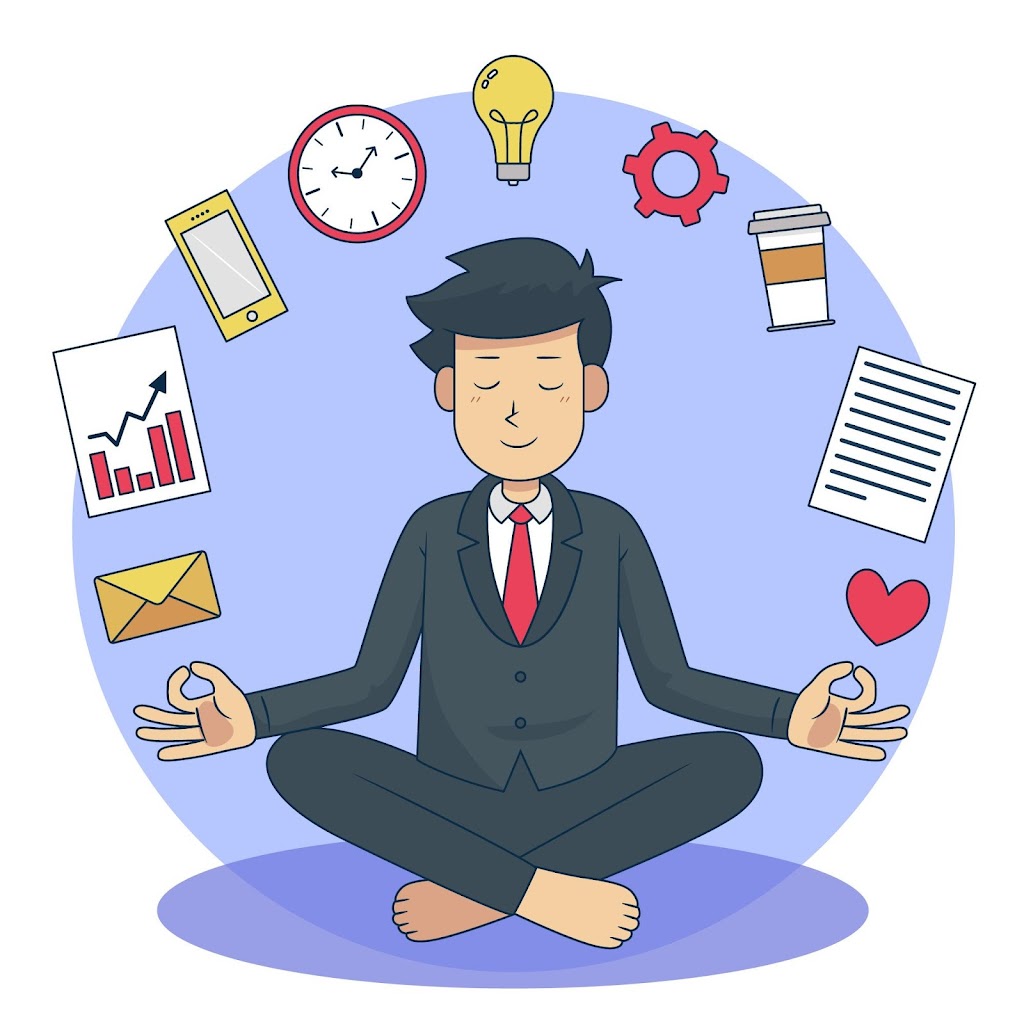
Self-Management: A Fundamental Personal Life Skill for Success and Fulfillment

In today’s fast-paced world, mastering the art of self-management has become more crucial than ever before. It’s a foundational personal life skill that plays a pivotal role in achieving success, maintaining balance, and experiencing fulfillment. At its core, self-management involves the ability to regulate one’s thoughts, behaviors, and emotions in a way that empowers you to navigate life’s challenges and capitalize on its opportunities. In this comprehensive article, we’ll delve into the multifaceted aspects of self-management, exploring its significance, benefits, and practical strategies to develop this skill to its fullest potential.

Table of Contents

  1. Understanding Self-Management: What It Truly Entails
  2. The Significance of Self-Awareness in Effective Self-Management
  3. Time Management: A Key Pillar of Self-Management
  4. Emotional Intelligence: Navigating Emotions for Optimal Self-Control
  5. Goal Setting and Prioritization: Directing Your Life with Purpose
  6. Stress Management: Building Resilience in the Face of Challenges
  7. Building Healthy Habits: Sustaining Positive Change
  8. The Ripple Effect: How Self-Management Enhances Various Life Domains

1. Understanding Self-Management: What It Truly Entails

Self-management is the art of taking charge of your own life and actively steering it in the direction you desire. It encompasses a wide array of skills, from managing time and emotions to making effective decisions and cultivating healthy habits. By developing strong self-management skills, you gain the ability to create a harmonious and fulfilling life.

2. The Significance of Self-Awareness in Effective Self-Management

A cornerstone of self-management is self-awareness – the ability to recognize and understand your own thoughts, emotions, and behaviors. By cultivating self-awareness, you can identify patterns, triggers, and areas for improvement, allowing you to make conscious choices that align with your goals and values.

3. Time Management: A Key Pillar of Self-Management

Efficiently managing your time is central to self-management. By setting clear priorities, creating schedules, and eliminating distractions, you optimize your productivity and create space for meaningful activities, both personally and professionally.

4. Emotional Intelligence: Navigating Emotions for Optimal Self-Control

Emotional intelligence is the skill of recognizing, understanding, and managing your emotions and those of others. It empowers you to respond thoughtfully rather than react impulsively, leading to healthier relationships and improved decision-making.

5. Goal Setting and Prioritization: Directing Your Life with Purpose

Setting goals and aligning them with your values provides a sense of purpose and direction. Effective goal setting enables you to break down large aspirations into actionable steps, keeping you motivated and focused on achieving your dreams.

6. Stress Management: Building Resilience in the Face of Challenges

Life is full of challenges, and effective self-management equips you with the tools to navigate them with grace. By practicing stress-reduction techniques such as mindfulness, exercise, and relaxation, you build resilience and maintain a sense of well-being.

7. Building Healthy Habits: Sustaining Positive Change

Self-management involves replacing detrimental habits with positive ones. By understanding the psychology of habits and implementing gradual changes, you can create lasting transformations that contribute to your overall well-being.

8. The Ripple Effect: How Self-Management Enhances Various Life Domains

The benefits of mastering self-management extend across all aspects of life. From improved work performance and better relationships to enhanced mental and physical health, effective self-management creates a positive ripple effect that elevates every facet of your life.

In conclusion, self-management is a personal life skill that empowers you to take control of your destiny. By fostering self-awareness, practicing time management, developing emotional intelligence, setting goals, managing stress, and cultivating healthy habits, you unlock the potential for a life filled with purpose, balance, and fulfillment. At [Your Company Name], we recognize the transformative power of self-management and are here to support you on your journey toward a more empowered and meaningful life

Mastering Self-Awareness: Unveiling the Power of Self-Discovery

In a world where constant self-improvement and personal growth are highly valued, the concept of self-awareness stands as a beacon of enlightenment and empowerment. At its core, self-awareness is the cornerstone of understanding oneself deeply, which paves the way for enhanced emotional intelligence, effective decision-making, and ultimately, a more fulfilling life journey.

Unveiling the Essence of Self-Awareness

Self-awareness, often hailed as the compass of personal development, refers to the conscious understanding of one’s own thoughts, emotions, behaviors, and values. It is akin to a mirror that reflects our inner landscape, allowing us to examine our strengths, weaknesses, desires, and motivations with a discerning eye.

At the heart of self-awareness lies the ability to recognize our patterns of thinking and how they shape our perceptions of the world around us. By delving into the depths of our psyche, we gain the invaluable opportunity to cultivate a deeper understanding of the triggers that incite our emotions and actions.

The Journey to Self-Discovery

Embarking on the journey of self-awareness is a transformative experience that necessitates introspection and genuine self-exploration. Through practices such as mindfulness meditation, journaling, and introspective conversations, individuals can begin to unravel the layers of their identity, peeling back the veneer to reveal their authentic selves.

Mindfulness Meditation: A Path to Self-Understanding

Mindfulness meditation, a powerful tool in the arsenal of self-awareness, encourages individuals to become fully present in the moment. By quieting the incessant chatter of the mind and observing thoughts and sensations without judgment, practitioners can cultivate a heightened sense of self-awareness. This practice facilitates the identification of thought patterns, allowing individuals to discern between productive and self-limiting beliefs.

Journaling: Mapping the Terrain of the Mind

Another avenue toward self-awareness is the art of journaling. Putting pen to paper provides an outlet for self-expression and self-reflection. Through regular journaling, individuals can track their emotional responses, identify recurring themes, and gain clarity on their values and aspirations. This introspective practice serves as a mirror that captures the nuances of one’s evolving self.

Introspective Conversations: Dialogues That Illuminate

Engaging in meaningful conversations with oneself or a trusted confidant can be profoundly illuminating. Through open and honest dialogues, individuals can vocalize their thoughts and feelings, facilitating a deeper understanding of their inner workings. These conversations serve as a bridge between the conscious and subconscious mind, unveiling hidden motivations and fostering self-compassion.

Empowering Benefits of Self-Awareness

The pursuit of self-awareness offers a plethora of benefits that ripple through various facets of life. As we unravel the layers of our being and gain insight into our true selves, we unlock a treasure trove of empowerment and transformation.

Enhanced Emotional Intelligence: Navigating the Landscape of Feelings

Self-awareness is intrinsically linked to emotional intelligence – the ability to perceive, understand, and manage our emotions and those of others. Through self-awareness, we become attuned to the nuances of our emotional landscape, allowing us to respond to situations with empathy and grace. This heightened emotional acumen fosters healthier relationships and effective communication.

Informed Decision-Making: The Art of Choosing Wisely

In the realm of decision-making, self-awareness acts as a guiding compass. By understanding our values, priorities, and aspirations, we can make choices that align with our authentic selves. This clarity minimizes the influence of external pressures and ensures that our decisions resonate with our true desires, leading to a more fulfilling life trajectory.

Unveiling Limiting Beliefs: Breaking the Shackles

Through self-awareness, we unveil the limiting beliefs that have held us captive. These beliefs often stem from past experiences, societal conditioning, or self-doubt. By shining a light on these subconscious scripts, we can challenge and reframe them, empowering ourselves to pursue our goals with unwavering determination.

The Path Forward: Cultivating Self-Awareness

Cultivating self-awareness is a continuous and dynamic process that requires dedication and practice. As we embark on this transformative journey, let us keep in mind several key principles:

Practice Mindfulness: Engage in regular mindfulness meditation to cultivate present-moment awareness and observe your thoughts without judgment.

Commit to Journaling: Dedicate time to journaling, allowing your thoughts to flow freely and gaining insights into your emotions and beliefs.

Embrace Vulnerability: Initiate introspective conversations with yourself or trusted allies, creating a safe space for vulnerability and self-expression.

Seek Feedback: Actively seek feedback from others to gain new perspectives on your strengths and areas for growth.

Celebrate Progress: Acknowledge and celebrate the milestones you achieve along your path to self-awareness, nurturing a positive and self-affirming mindset.

In essence, self-awareness is the cornerstone upon which a life of purpose, authenticity, and fulfillment is built. By embarking on this journey of self-discovery, we unveil the power within us to create a life that is not only aligned with our true selves but also contributes positively to the world around us.

Maintaining Healthy Work Life Balance

Introduction

Maintaining healthy work life balance is more crucial than ever in today’s fast-paced world. Whether you’re juggling a demanding career, personal responsibilities, or both, finding that equilibrium can feel challenging. However, mastering the art of balancing work and life isn’t just about dividing your time evenly; it’s about creating a lifestyle that supports your personal and professional growth. In this article, we’ll explore practical strategies to help you achieve and maintain a healthy balance, ensuring your career success doesn’t come at the cost of your well-being.

How to Maintain a Healthy Work-Life Balance

In the modern world, where technology keeps us constantly connected, the lines between work and personal life can blur. It’s essential to establish boundaries, routines, and habits that support not only productivity but also relaxation and rejuvenation. Let’s dive into the practical steps you can take to achieve a healthier work-life balance.

1. Set Clear Boundaries

One of the most effective ways to maintain a work-life balance is by setting boundaries. This means knowing when to switch off work mode and step into personal time. Whether it’s turning off email notifications after a certain time or designating a specific workspace in your home, setting boundaries creates a clear separation between work and leisure.

“Success isn’t just about what you accomplish in your career; it’s also about finding peace and satisfaction in your personal life.”

Actionable Tips:
  • Establish ‘No Work’ Zones: Dedicate spaces where work activities are not allowed, ensuring you have areas to relax.
  • Set a ‘Shut Down’ Ritual: At the end of each workday, follow a consistent routine that signals the transition from work to personal time.

2. Prioritize Time Management

Time management is a powerful tool for work-life balance. By organizing your tasks and responsibilities, you can maximize productivity while reserving time for relaxation. Using tools like calendars and task management apps can help you prioritize effectively.

Actionable Tips:
  • Adopt the Pomodoro Technique: Work in focused bursts (e.g., 25 minutes) followed by short breaks to maintain energy and efficiency.
  • Plan Your Week Ahead: Spend a few minutes every Sunday planning your week. This habit ensures that you allocate time for both work tasks and personal activities.

3. Practice Self-Care

Self-care isn’t a luxury; it’s a necessity for maintaining a healthy work-life balance. Taking care of your physical, mental, and emotional well-being allows you to recharge, making you more productive and resilient.

Actionable Tips:
  • Exercise Regularly: Incorporating movement into your daily routine helps reduce stress and boost energy levels.
  • Mindfulness Practices: Engage in activities like meditation or yoga to center yourself and manage stress effectively.

According to Healthline, regular self-care practices have been shown to enhance productivity and well-being, making it easier to balance various aspects of life.

4. Leverage Flexibility

The ability to adapt and create a flexible schedule can greatly contribute to work-life balance. If your job allows it, consider negotiating flexible hours or remote work options. Flexibility enables you to manage personal commitments without compromising professional responsibilities.

Actionable Tips:
  • Set Flexible Goals: Adjust your goals as needed to accommodate changes in workload or personal responsibilities.
  • Embrace Hybrid Work Models: Combining office and remote work can create a more balanced routine.

5. Communicate Effectively

Open communication with your employer, colleagues, and family is vital for maintaining a balanced life. Discuss your needs, set expectations, and ensure that everyone is on the same page. This transparency can alleviate misunderstandings and create a supportive environment.

Actionable Tips:

Communicate with Family: Set expectations at home, so everyone understands when you’re available and when you need focused work time.g!

Regular Check-Ins with Management: Keep your manager updated on your workload and any challenges you face, so you can work together on solutions.

6. Embrace the Power of ‘No’

One of the most empowering skills in managing work-life balance is learning to say ‘no’ when necessary. Overcommitting to tasks or responsibilities, whether at work or in your personal life, can lead to burnout and stress. Setting limits helps you protect your time and energy, ensuring you prioritize what truly matters.

Actionable Tips:
  • Evaluate Commitments: Before accepting new responsibilities, assess how they align with your goals and whether you have the bandwidth to handle them.
  • Practice Assertive Communication: Politely decline tasks that don’t fit into your schedule or delegate them when possible.

Learning to say no is not about rejecting opportunities; it’s about preserving your well-being. As the saying goes, “You can’t pour from an empty cup.” Protect your time to recharge, so you can give your best to the commitments you do choose.

7. Create a Routine That Works for You

A consistent routine can be a powerful tool for managing work-life balance. It provides structure, reduces decision fatigue, and creates a rhythm that promotes productivity while ensuring time for relaxation. Your routine doesn’t have to be rigid—flexibility is key—but it should support both your professional goals and personal well-being.

Actionable Tips:
  • Morning Routine: Start your day with activities that energize you, such as a brief workout, meditation, or a healthy breakfast.
  • Evening Routine: Establish a wind-down routine that helps you detach from work, whether it’s reading, taking a walk, or spending time with loved ones.

According to Forbes, a well-structured routine can boost efficiency and reduce stress, making it easier to navigate between work and personal life seamlessly.

8. Make Time for Hobbies and Leisure Activities

Work-life balance isn’t just about managing work efficiently; it’s also about finding joy and fulfillment outside of work. Engaging in hobbies and leisure activities is vital for mental health and can improve overall happiness and satisfaction. Whether it’s reading, painting, gardening, or exploring new places, finding time for activities you love is essential.

Actionable Tips:
  • Schedule ‘Me Time’: Just like you would schedule a meeting, set aside time in your calendar for hobbies or leisure activities.
  • Explore New Interests: Trying something new can provide fresh perspectives and keep your mind active and engaged.

Remember, “Life is not just about working to live; it’s about living with passion and purpose.” Incorporate activities that bring you joy to maintain a well-rounded, fulfilling lifestyle.

9. Utilize Technology Wisely

While technology can blur the boundaries between work and personal life, it can also be a powerful tool for creating balance when used correctly. Automation, productivity apps, and digital wellness tools can help streamline tasks and remind you when it’s time to unplug.

Actionable Tips:
  • Productivity Tools: Use apps like Trello, Asana, or Todoist to organize tasks and prioritize your time effectively.
  • Digital Wellness Features: Many devices offer screen time monitoring and app limits; take advantage of these to reduce distractions and focus on downtime.

10. Stay Organized and Declutter Your Space

An organized environment promotes a clearer mind, allowing you to focus better and reduce stress. Whether it’s your workspace or your home, keeping things tidy and decluttered helps create a sense of order and balance.

Actionable Tips:
  • Declutter Regularly: Spend a few minutes each day or week tidying up your workspace to keep it functional and stress-free.
  • Organize with Intent: Arrange your workspace and home in a way that supports your daily routines, ensuring that everything you need is easily accessible.

The Importance of Self-Reflection and Adjustment

Work-life balance isn’t static; it evolves as your circumstances and priorities change. Regular self-reflection helps you evaluate what’s working and what isn’t, allowing you to make necessary adjustments. Consider setting aside time each month to reflect on your balance and whether it aligns with your values and goals.

11. Practice Self-Reflection

Make it a habit to check in with yourself and assess how you feel about your work-life balance. Are you feeling energized, fulfilled, and satisfied with how you’re spending your time? Or are there areas where you feel overwhelmed or neglected?

Actionable Tips:
  • Journal Regularly: Writing down your thoughts and feelings can help you identify patterns and areas that need attention.
  • Set Monthly Review Sessions: Reflect on the past month’s achievements and challenges, adjusting your routines and strategies accordingly.

As you reflect, remember that work-life balance is a continuous journey, not a one-time achievement. Flexibility, adaptability, and self-awareness are your allies in navigating this journey successfully.

Conclusion

Achieving and maintaining a healthy work-life balance is a dynamic process that requires ongoing effort, flexibility, and self-awareness. By setting boundaries, managing your time effectively, and prioritizing self-care and personal interests, you can create a fulfilling life that supports both your career and your well-being.

Whether it’s learning to say no, organizing your space, or practicing self-reflection, the strategies outlined in this article can guide you towards a more balanced, productive, and happy lifestyle.

If you’re ready to take the first step, start implementing these tips today. Small changes can lead to big transformations, and achieving work-life balance is entirely within your reach.

Call to Action

Thank you for exploring this insightful article. If you’re hungry for more knowledge, don’t miss out on our other engaging articles waiting for you. Dive into our treasure trove of wisdom and discover new perspectives on related topics. Click ‘Our Blog’ and ‘How to Guide’ to embark on your next adventure. Happy reading!

FAQs

1. How do I know if my work-life balance is unhealthy?

Signs include chronic fatigue, decreased productivity, strained relationships, and a constant feeling of being overwhelmed.

2. Can I achieve work-life balance if I have a demanding job?

Yes, it’s possible. Effective time management, setting boundaries, and practicing self-care are key regardless of the job’s demands.

3. What if my employer doesn’t support work-life balance?

Initiate an open conversation with your employer about the benefits of work-life balance and propose ways to integrate it without compromising productivity.

4. How can I prevent technology from encroaching on my personal time?

Set specific time limits for checking work-related messages and consider muting notifications during personal hours.

5. What role does exercise play in work-life balance?

Regular exercise boosts your mood, energy levels, and overall health, contributing positively to your ability to manage work-life balance.

How to control your anger in relationship?

Do you have question in your mind that how to control your anger in relationshi? Then managing anger effectively is an important skill that can greatly improve your relationships and overall well-being. Here are some strategies you can use to manage your anger:

  1. Identify the Indicators: Observe both the physical and emotional signals that signify the emergence of anger within you. This may include increased heart rate, tense muscles, and a rise in irritability. Being aware of these signs can help you intervene before your anger escalates.
  2. Take a timeout: If you feel your anger rising, remove yourself from the situation. Step away, indulge in a leisurely stroll, or locate a serene environment to achieve a state of tranquility. This timeout allows you to gain perspective and prevents you from saying or doing something you might regret.
  3. Practice deep breathing: Deep breathing exercises can help you relax and reduce feelings of anger. Inhale gently and deeply through your nostrils, allowing the air to fill your lungs, and exhale gradually through your mouth, releasing any tension. Focus on your breath, allowing it to bring a sense of calmness to your body and mind.
  4. Use relaxation techniques: Explore different relaxation techniques that work for you, such as progressive muscle relaxation, meditation, or listening to calming music. These techniques can help you release tension and promote a sense of tranquillity.
  5. Challenge your thoughts: Often, anger is fuelled by distorted or exaggerated thoughts. When you find yourself getting angry, challenge these thoughts by asking yourself if there is another way to interpret the situation. Consider alternative perspectives and whether your anger is proportionate to the issue at hand.
  6. Express yourself assertively: Instead of reacting aggressively or suppressing your anger, learn to express it assertively. Communicate your emotions and requirements using “I” statements, effectively conveying your feelings and needs without resorting to accusatory or confrontational language. For instance, express, “I experience frustration when there are interruptions during our conversation,” as opposed to stating, “You consistently disrupt me!”
  7. Practice active listening: Anger can sometimes arise from miscommunication or misunderstandings. Improve your listening skills by giving others your full attention and seeking to understand their perspective. Reflect back what they’ve said to ensure you’ve understood correctly before responding.
  8. Seek support: If you find that anger is significantly impacting your life and relationships, consider seeking support from a therapist or counsellor. They can provide guidance and teach you additional techniques for managing anger effectively.

And understand that managing anger is an ongoing process. Crafting effective strategies for managing challenges and stress requires a dedicated investment of time and consistent effort. Extend kindness to yourself throughout this journey, cherishing even the slightest achievements as meaningful milestones on the path to growth.

Top Time Management Tools

There are several excellent time management tools available that can help you stay organized, prioritize tasks, and increase your productivity. Here are some of the best time management tools:

Google Calendar: Google Calendar is a widely used calendar app that helps you schedule and manage your time effectively. You can create events, set reminders, and share your calendar with others. Google Calendar integrates with other Google services and offers seamless synchronization across devices.

Todoist: Todoist is a popular task management tool that allows you to create to-do lists, set deadlines, and organize your tasks into different projects. It offers a simple and intuitive interface across multiple platforms, making it easy to stay on top of your tasks.

Trello: Trello is a visual collaboration tool that uses boards, lists, and cards to help you organize and prioritize your tasks. You can create boards for different projects, add tasks as cards, and move them across lists as you progress. Trello is great for both personal and team-based time management.

Asana: Asana is a versatile project management tool that enables you to create tasks, assign them to team members, set due dates, and track progress. It offers a range of features and integrations, making it suitable for both individual and team-based time management.

Evernote: Evernote is a powerful note-taking app that allows you to capture ideas, create to-do lists, and set reminders. It provides a flexible workspace where you can organize your notes, documents, and web clippings. Evernote syncs across devices, ensuring your information is accessible anytime, anywhere.

Pomodoro Technique: While not a specific tool, the Pomodoro Technique is a time management method that involves working in focused sprints with regular breaks. You can use various Pomodoro apps and timers available online, such as Be Focused or TomatoTimer, to implement this technique effectively.

RescueTime: RescueTime is a time-tracking tool that monitors your computer or mobile device usage to help you understand how you spend your time. It provides detailed reports and insights, allowing you to identify time-wasting activities and make adjustments to improve productivity.

Focus@Will: Focus@Will is a music streaming service that plays specially curated instrumental music designed to enhance focus and concentration. It uses neuroscience-based techniques to optimize your attention and productivity while working or studying.

The best time management tool for you depends on your personal preferences and specific needs. Experiment with different tools to find the ones that align with your workflow and help you stay organized and productive.

Exit mobile version