How to maintain healthy relationship?

Maintaining a healthy relationship requires effort, communication, and mutual respect from both parties involved. If you are thinking about How to maintain healthy relationship? Here are some general tips to help you maintain a healthy relationship:

  1. Effective communication: Transparent and sincere communication forms the foundation of all thriving relationships. Express your thoughts, feelings, and needs clearly, and actively listen to your partner. Avoid assumptions and try to resolve conflicts through calm and respectful discussions.
  2. Mutual respect: Treat your partner with respect and expect the same in return. Respect their boundaries, opinions, and individuality. Avoid belittling, criticizing, or controlling behaviours, and encourage a supportive and nurturing environment.
  3. Quality time together: Devote meaningful moments to your significant other, participating in pursuits that bring joy to you both. This can strengthen your bond and create positive memories. Make an effort to prioritize each other amidst busy schedules and maintain a healthy balance between personal and relationship time.
  4. Trust and honesty: Trust plays a crucial role in fostering a robust and thriving relationship. Be honest and transparent with your partner and trust them in return. Trust builds over time through consistent and reliable behaviour. If trust is broken, work together to rebuild it through open communication and addressing underlying issues.
  5. Support and empathy: Show empathy and support for your partner’s dreams, goals, and challenges. Celebrate their successes and offer a helping hand during difficult times. Emotional support, understanding, and validation can strengthen your connection and foster a deeper bond.
  6. Individuality and personal space: Encourage each other’s personal growth and maintain individual interests and hobbies. Honor one another’s requirement for personal room and moments of solitude. Remember, a healthy relationship allows for independence while maintaining a strong connection.
  7. Compromise and forgiveness: Relationships require compromise and understanding. Be open to finding middle ground and discovering resolutions that benefit both parties. Cultivate the ability to pardon each other’s errors and release any lingering resentments. Clinging onto former grievances has the potential to taint a relationship.
  8. Intimacy and romance: Keep the spark alive in your relationship through physical affection, intimacy, and romance. Show affection, express love, and make an effort to keep the romance alive. Small gestures of love and appreciation can make a significant difference.

Remember, every relationship is unique, and it’s essential to tailor these tips to fit your specific situation. Regularly assess your relationship, address any concerns or issues promptly, and continue to invest time and effort into nurturing a healthy and fulfilling connection.

How to Make Informed Choices: A Comprehensive Guide

How to make informed choices?

In a world saturated with information, making informed choices has never been more crucial. Whether it’s deciding on a major life decision, choosing the right product, or even selecting a place to dine, the ability to gather, assess, and process information is a skill that can significantly impact the quality of our lives. In this comprehensive guide, we delve into the strategies and tactics that empower us to make well-informed choices, ensuring that each decision is backed by knowledge and careful consideration.

1. Defining Informed Choices

Before we embark on the journey of mastering the art of informed decision-making, let’s first understand what it truly entails. Making informed choices means gathering relevant information, analyzing it critically, and using the insights gained to select the option that aligns best with our goals, values, and circumstances. In a world where information is readily available at our fingertips, the challenge lies in sifting through the noise to find accurate and reliable sources.

2. The Power of Research

The foundation of making informed choices lies in diligent research. In today’s digital age, we have a wealth of resources at our disposal. Utilize search engines, reputable websites, academic journals, and expert opinions to gather a diverse range of perspectives on the subject at hand. The more well-rounded your understanding, the better equipped you’ll be to weigh your options.

3. Analyzing Credibility

Not all information is created equal. It’s essential to develop a keen sense of discernment when evaluating the credibility of sources. Look for attributes like author expertise, publication reputation, and supporting evidence. Be cautious of anecdotal accounts and always prioritize information that is backed by data, research, and expert consensus.

4. Considering Multiple Perspectives

One of the hallmarks of informed decision-making is considering multiple perspectives. Engage with viewpoints that may challenge your initial assumptions. This approach encourages a more holistic understanding of the subject and helps you anticipate potential drawbacks or advantages that you might have otherwise overlooked.

5. Weighing Pros and Cons

Creating a pros-and-cons list is a classic yet effective technique in making informed choices. List out the advantages and disadvantages of each option you’re considering. This visual aid can provide clarity and help you prioritize the factors that matter most to you.

6. Seeking Expert Advice

Sometimes, making an informed choice requires consulting with experts in the field. These individuals possess specialized knowledge and insights that can guide your decision-making process. Whether it’s seeking advice from a financial planner, a healthcare professional, or a seasoned mentor, their expertise can provide invaluable guidance.

7. Trusting Your Intuition

While thorough research and analysis are paramount, it’s essential to acknowledge the power of intuition. Your gut feelings are often a culmination of subconscious processing of information. If, after careful consideration, your intuition aligns with a particular choice, it might be worth giving it significant weight.

8. Anticipating Consequences

Informed choices involve not only considering the immediate outcomes but also anticipating the long-term consequences of your decisions. Think about how each option may impact your future goals, lifestyle, and well-being. This foresight enables you to make choices that are aligned with your aspirations.

9. Embracing Flexibility

In a rapidly changing world, flexibility is key. Even with the most thorough research, unexpected variables can arise. Embrace the idea that informed choices can evolve based on new information. Being adaptable allows you to pivot when necessary while maintaining your commitment to making well-informed decisions.

10. Reflecting and Learning

After making a choice, take the time to reflect on the process. Consider what you learned, both about the subject matter and your decision-making approach. This introspection enhances your skills for future choices and contributes to your overall growth and development.

In conclusion, the ability to make informed choices is a skill that can be honed over time. By prioritizing research, critical analysis, and a holistic approach to decision-making, you position yourself to lead a life guided by intentional choices. Remember, each decision you make shapes your journey, so empower yourself with knowledge and watch as your choices transform into meaningful actions

The Importance of Personal Life Skills: Nurturing Growth and Success

The Importance of Personal Life Skills: Nurturing Growth and Success

In today’s fast-paced and complex world, possessing personal life skills is paramount to navigate through the challenges and achieve personal growth and success. Personal life skills encompass a wide range of abilities that enable individuals to effectively manage their emotions, communicate effectively, make informed decisions, solve problems, and maintain healthy relationships. Developing and honing these skills is an ongoing process that empowers individuals to overcome obstacles, adapt to change, and lead fulfilling lives. This article explores the significance of personal life skills and highlights their relevance in various aspects of life.


Effective Communication: Effective communication is an indispensable skill that influences every aspect of life. It encompasses not only verbal expression but also active listening, non-verbal cues, and the ability to convey ideas clearly. Good communication skills enable individuals to articulate their thoughts, express their needs, and understand others’ perspectives. This skill is vital in personal relationships, teamwork, leadership roles, and professional interactions. It fosters understanding, prevents misunderstandings, and promotes cooperation, ultimately leading to better outcomes and stronger connections.

Critical Thinking and Problem Solving: Critical thinking and problem-solving skills empower individuals to analyze situations, evaluate information, and make informed decisions. These skills involve the ability to think logically, consider multiple perspectives, and identify effective solutions. Individuals proficient in critical thinking are better equipped to face challenges, adapt to change, and overcome obstacles. They can approach problems creatively, break them down into manageable parts, and apply systematic strategies to find viable solutions. These skills are particularly valuable in academic pursuits, professional settings, and everyday decision-making.

Time Management and Organization: Time management and organizational skills are essential for maximizing productivity and achieving personal goals. Effective time management involves setting priorities, planning tasks, and allocating resources efficiently. It enables individuals to balance their commitments, meet deadlines, and maintain a healthy work-life balance. Organization skills, including managing schedules, maintaining orderliness, and utilizing tools such as calendars and to-do lists, contribute to increased efficiency and reduced stress. These skills are instrumental in meeting personal and professional obligations and fostering a sense of control and accomplishment.

Adaptability and Resilience: In an ever-changing world, adaptability and resilience are crucial personal life skills. These skills allow individuals to navigate uncertainty, overcome setbacks, and bounce back from challenges. Being adaptable involves embracing change, adjusting to new circumstances, and embracing a growth mindset. Resilience entails developing emotional strength, learning from failures, and persisting in the face of adversity. Both skills are essential for personal growth, professional success, and maintaining well-being in the face of life’s ups and downs.

 “Essential life skills serve as invaluable tools, empowering individuals to adeptly navigate life’s intricacies, conquer hurdles, and attain personal growth and triumph. Emotional intelligence, effective communication, critical thinking, time management, adaptability, and resilience form the pillars of personal life skills. By cultivating and nurturing these abilities, individuals can enhance their relationships, improve their decision-making, and thrive in various domains of life. Developing these skills is a lifelong process that requires self-reflection, practice, and a willingness to learn and grow. By investing in personal life skills, individuals lay the foundation for a fulfilling and prosperous future.”

Life Skills – A Path to Personal and Professional Success

Mastering Life Skills: A Path to Personal and Professional Success

Life is a journey filled with challenges, opportunities, and experiences that shape who we are and what we become. In this dynamic and fast-paced world, possessing a set of essential life skills is paramount to navigate through the complexities of modern living. Life skills are not only critical for personal growth and development but also play a significant role in achieving professional success. In this article, we will delve into the importance of life skills, explore key categories of these skills, and discuss how they contribute to a fulfilling and prosperous life.

Life skills are the abilities we need to successfully  navigate and interact with the world around us. They can be broadly categorized into personal, social, and practical skills.

Personal life skills include things like self-awareness, self-management, and decision-making. These skills help us understand our emotions, set goals, and make choices that align with our values.

Social life skills include communication, empathy, and relationship-building. These skills help us collaborate with others, manage conflicts, and build positive friendships and partnerships.

Practical life skills include things like time management, money management, and problem-solving. These skills help us manage our daily lives, take care of ourselves and our families, and navigate complex systems like healthcare and the legal system.

Understanding Life Skills

Life skills are the abilities and competencies that enable individuals to effectively handle various situations, make informed decisions, and adapt to changing circumstances. These skills encompass a wide range of abilities, including cognitive, interpersonal, emotional, and practical skills. While formal education equips us with academic knowledge, life skills empower us with the tools to navigate real-world challenges and interactions.

Key Categories of Life Skills

Life skills can be categorized into several key areas, each contributing to a holistic and well-rounded individual. Let’s explore some of these categories:

  1. Communication Skills: Effective communication is the foundation of meaningful relationships and successful interactions. This skill involves not only articulating thoughts clearly but also active listening, empathy, and understanding non-verbal cues. Improved communication skills foster better collaboration, conflict resolution, and the ability to express ideas persuasively.
  2. Critical Thinking and Problem-Solving: Critical thinking enables individuals to analyze situations, evaluate information, and make well-reasoned decisions. Problem-solving skills involve identifying challenges, devising creative solutions, and implementing effective strategies. These skills are essential for overcoming obstacles and making informed choices.
  3. Emotional Intelligence: Emotional intelligence involves recognizing, understanding, and managing one’s own emotions as well as empathizing with the emotions of others. Developing emotional intelligence enhances self-awareness, interpersonal relationships, and the ability to handle stress and conflicts gracefully.
  4. Time Management and Organization: With the demands of modern life, managing time efficiently and staying organized are crucial. These skills help individuals prioritize tasks, set goals, and achieve a healthy work-life balance. Proficient time management is a catalyst for enhanced productivity and a decrease in stress.
  5. Adaptability and Resilience: Life is unpredictable, and the ability to adapt to change and bounce back from setbacks is vital. Being resilient empowers individuals to face challenges with a positive attitude, learn from failures, and emerge stronger.
  6. Financial Literacy: Understanding personal finances, budgeting, saving, and making informed financial decisions are essential life skills. Financial literacy ensures economic stability and enables individuals to plan for the future.
  7. Interpersonal Skills: Building and maintaining healthy relationships requires strong interpersonal skills. These skills encompass empathy, active listening, conflict resolution, and the ability to collaborate effectively with diverse groups of people.
  8. Leadership and Teamwork: Leadership skills involve guiding, motivating, and inspiring others to achieve common goals. Teamwork skills are essential for collaborating within groups, sharing responsibilities, and leveraging collective strengths.

The Importance of Life Skills

Mastering life skills offers a plethora of benefits that extend to both personal and professional spheres. Here’s why life skills are crucial:

  1. Enhanced Personal Development: Life skills foster personal growth by promoting self-awareness, emotional well-being, and a sense of purpose. Individuals equipped with these skills tend to have higher self-esteem and confidence.
  2. Improved Communication: Effective communication skills facilitate smoother interactions and minimize misunderstandings. Clear expression and active listening lead to stronger relationships and fewer conflicts.
  3. Better Decision-Making: Life skills such as critical thinking and problem-solving empower individuals to make informed decisions based on rational analysis rather than impulsive reactions.
  4. Stress Reduction: Resilience, time management, and emotional intelligence contribute to managing stress and anxiety, promoting mental health and overall well-being.
  5. Career Advancement: In the professional realm, life skills set individuals apart as valuable assets. Employers value qualities such as adaptability, teamwork, and leadership, which can lead to career growth and success.
  6. Conflict Resolution: Interpersonal skills and emotional intelligence play a significant role in resolving conflicts and maintaining harmonious relationships, both personally and professionally.
  7. Achieving Goals: Effective goal-setting and time management skills increase the likelihood of achieving one’s aspirations, whether they are related to personal projects or professional ambitions.

In a rapidly evolving world, the importance of life skills cannot be overstated. These skills form the bedrock of personal growth, effective communication, and successful interactions in various spheres of life. By investing time and effort in developing life skills, individuals equip themselves with the tools to navigate challenges, seize opportunities, and lead fulfilling lives. Whether in personal relationships or professional endeavors, mastering life skills is a journey toward holistic well-being and a brighter future.

The Art of Effective Time Management

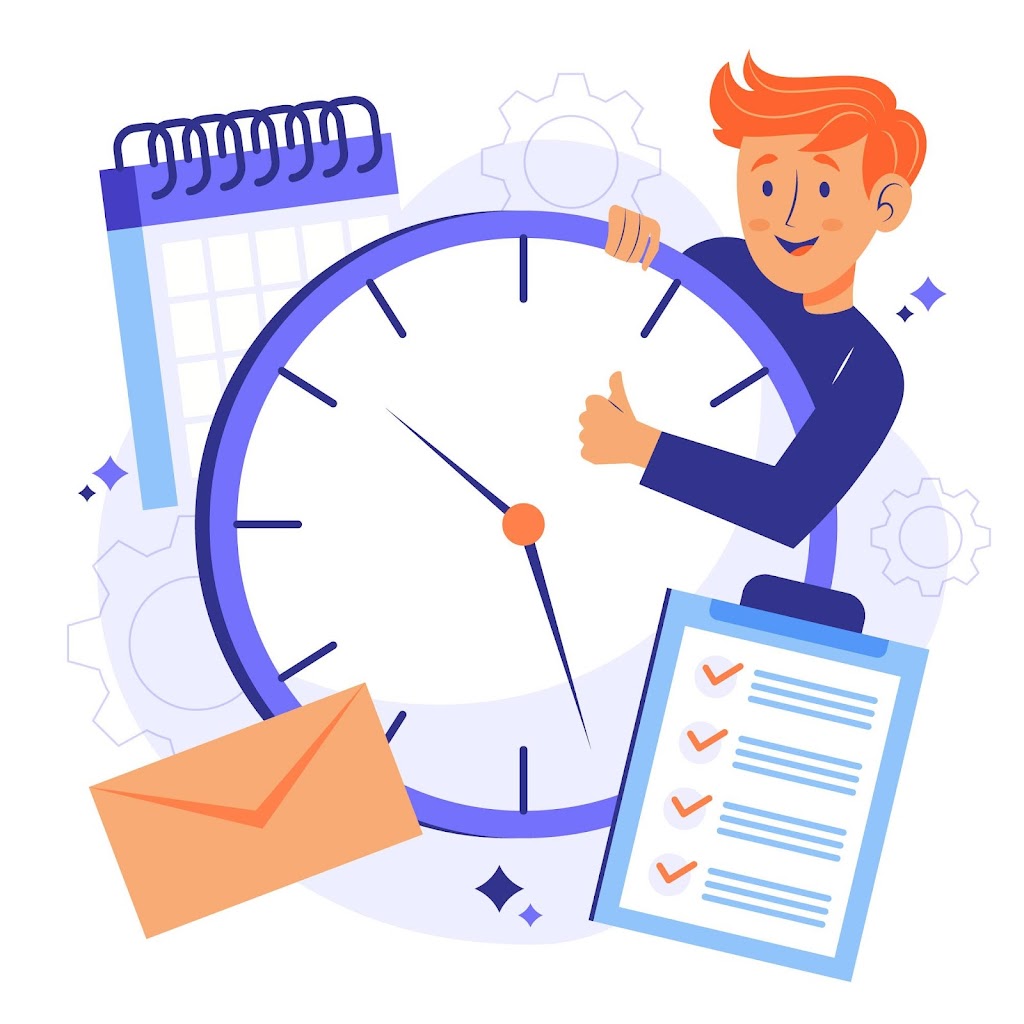
Learn how to manage your time well. Get more done and take back control of your daily schedule. Learning how to manage your time is important if you want to get more done, feel less stressed, and reach your goals. Here are some tips to help you improve and develop your ability to manage your time:

Set clear goals: Start by figuring out what you want to achieve right away and in the long run. Make sure they are SMART goals: specific, measurable, achievable, relevant, and time-bound. Having clear goals gives you a sense of direction and helps you decide what to do first.

Put your tasks in order of importance: Find the ones that are most important and need to be done right away. Use tools like the Eisenhower Matrix, which breaks tasks down into four groups: urgent and important, important but not urgent, urgent but not important, and neither urgent nor important.

Make a schedule: Make a plan or timetable that sets aside certain times for different tasks or activities. Use tools like planners, calendars, schedules, organizers, or digital apps to help you manage your time and stay organized.

Split up big tasks into smaller ones: Big tasks can seem overwhelming, so break them down into smaller, more manageable steps. This lets you concentrate on one step at a time, which makes the job easier.

Don’t try to do too many things at once. Contrary to what many people think, doing too many things at once can lower the quality and quantity of your work. Instead of doing more than one thing at once, focus on one thing at a time. After you finish that task, move on to the next one.

Get rid of distractions: Cut down on or get rid of things that can keep you from getting your work done. You could turn off notifications on your phone or computer, find a quiet place to work, or use website blockers to keep you from going to websites that are distracting.Eliminate distractions: Minimize or eliminate distractions that can sidetrack you from your work. This could include turning off notifications on your phone or computer, finding a quiet workspace, or using website blockers to limit access to distracting websites.

Learn to say no: Know what you can and can’t do, and only take on the tasks and commitments that are right for you. Learn to say no to things that don’t fit with your priorities or would make your schedule too full.

Assign tasks: If you can, give tasks to other people. Find things that someone else can do, like a coworker, a team member, or an outsourcing service. Giving other people tasks frees up your time for more important ones.

Time blocking means setting aside specific blocks of time for different types of tasks. You could, for instance, set aside a certain amount of time for emails, another for meetings, and another for focused work. Time blocking gives you structure and makes it less likely that you’ll put things off.

Use scheduled breaks: Breaks are very important for keeping your focus and productivity high. Set a timer to remind you to take a short break every hour or so, or plan short breaks between tasks. Take this time to relax, stretch, or recharge.

Check and change: Look at how you’re managing your time on a regular basis. Find areas where improvements can be made and then make the changes that are needed. Try out different methods and strategies to see what works best for you.

You need to know that this is a process that will take time and effort, and you need to be disciplined, aware of yourself, and practice regularly. You can get better at managing your time and getting better results if you keep trying.

Exit mobile version