Personal Development Books for Building Wealth Mindset

Why Wealth Mindset Matters

When it comes to financial success, many people are in search of Personal Development Books for Building Wealth Mindset and focus only on strategies—saving, investing, or starting a business. But here’s the truth: before you can master money, you must master your mind. The difference between someone who struggles financially and someone who builds lasting wealth often comes down to their mindset. The way you think about money shapes the way you earn, save, spend, and invest.

A wealth mindset isn’t just about wanting to be rich; it’s about cultivating the belief that opportunities are abundant, that learning never stops, and that money is a tool for growth rather than a source of fear. In contrast, a scarcity mindset keeps people trapped in cycles of debt, living paycheck to paycheck, or being afraid to take risks.

Books play a powerful role in this transformation. Unlike fleeting motivation from social media, books allow you to dive deep into the philosophies of successful people. They help you adopt proven principles and open your eyes to possibilities you may never have considered. Think of them as roadmaps—guides that help you avoid costly mistakes and shorten your learning curve.

If you’re serious about building wealth, you can’t afford to ignore the mental side of success. And the best place to start is with personal development books specifically written to shape a wealth mindset. These books don’t just tell you how to make money; they teach you how to think like someone who attracts and sustains wealth.


Understanding the Wealth Mindset

So, what exactly is a wealth mindset? At its core, it’s the belief system that drives how you approach money. It’s the difference between thinking, “I can’t afford this” versus “How can I afford this?” A person with a wealth mindset doesn’t see problems as dead ends; they see them as opportunities to grow and create solutions.

One key shift is moving away from scarcity thinking. Scarcity mindset tells you there’s never enough—that if someone else succeeds, you lose. This mindset breeds fear, jealousy, and constant stress about money. Wealth mindset, on the other hand, embraces abundance. It’s about understanding that opportunities, ideas, and resources are limitless. When you adopt this perspective, you stop competing and start creating.

Another important aspect is long-term thinking. People with a wealth mindset aren’t obsessed with quick wins; they focus on building sustainable success. This could mean investing for the future instead of chasing instant gratification. It could also mean spending money on education and skills rather than unnecessary luxuries.

Developing this mindset isn’t something you’re born with—it’s something you build. And one of the most effective tools for building it is through reading books written by people who’ve walked the path to wealth. These books introduce you to new perspectives, challenge your limiting beliefs, and inspire you to think bigger.


The Role of Personal Development in Financial Success

Personal development is often thought of as motivational quotes, self-help workshops, or journaling. But when it comes to financial success, it’s much more practical. At its heart, personal development is about becoming the kind of person who can handle wealth.

For example, discipline is a personal development trait that directly affects money. Without discipline, you’ll spend impulsively, miss investment opportunities, or fail to stick to a budget. Another example is consistency—the ability to keep taking small, smart actions over time. Wealth isn’t built overnight; it’s built brick by brick, through habits like saving, investing, and continuous learning.

Emotional intelligence also plays a huge role in money management. Financial decisions aren’t always logical; they’re often emotional. Fear makes people sell investments too early. Greed makes them chase risky schemes. Confidence helps them seize opportunities. By working on emotional intelligence, you can stay calm, rational, and focused even in uncertain financial times.

In short, personal development provides the foundation for financial growth. It’s like strengthening the roots of a tree—once your mindset is solid, your financial strategies will naturally thrive. Without this foundation, even the best strategies can crumble. And that’s exactly why reading personal development books for wealth mindset is so powerful—they combine both self-growth and financial wisdom into one package.


Top Personal Development Books for Building Wealth Mindset

There are thousands of finance and personal growth books out there, so how do you know which ones are worth your time? The truth is, not every book will resonate with you. Some focus more on mindset, while others emphasize practical money strategies. The key is to find a balance between both.

The books we’ll cover in this article have stood the test of time. They’re not just popular because they sell well; they’ve changed millions of lives across the world. From timeless classics like Think and Grow Rich to modern insights like The Psychology of Money, each one offers a unique angle on what it means to develop a wealth mindset.

When selecting the right book for you, ask yourself:

  • Do I need to work more on mindset or money habits?
  • Am I looking for practical strategies or inspirational stories?
  • Do I prefer timeless wisdom or modern psychology?

The best part about these books is that you don’t have to read them all at once. Start with one that speaks to your current situation. As you grow, revisit others—you’ll be surprised how differently you interpret them at different stages of your journey.


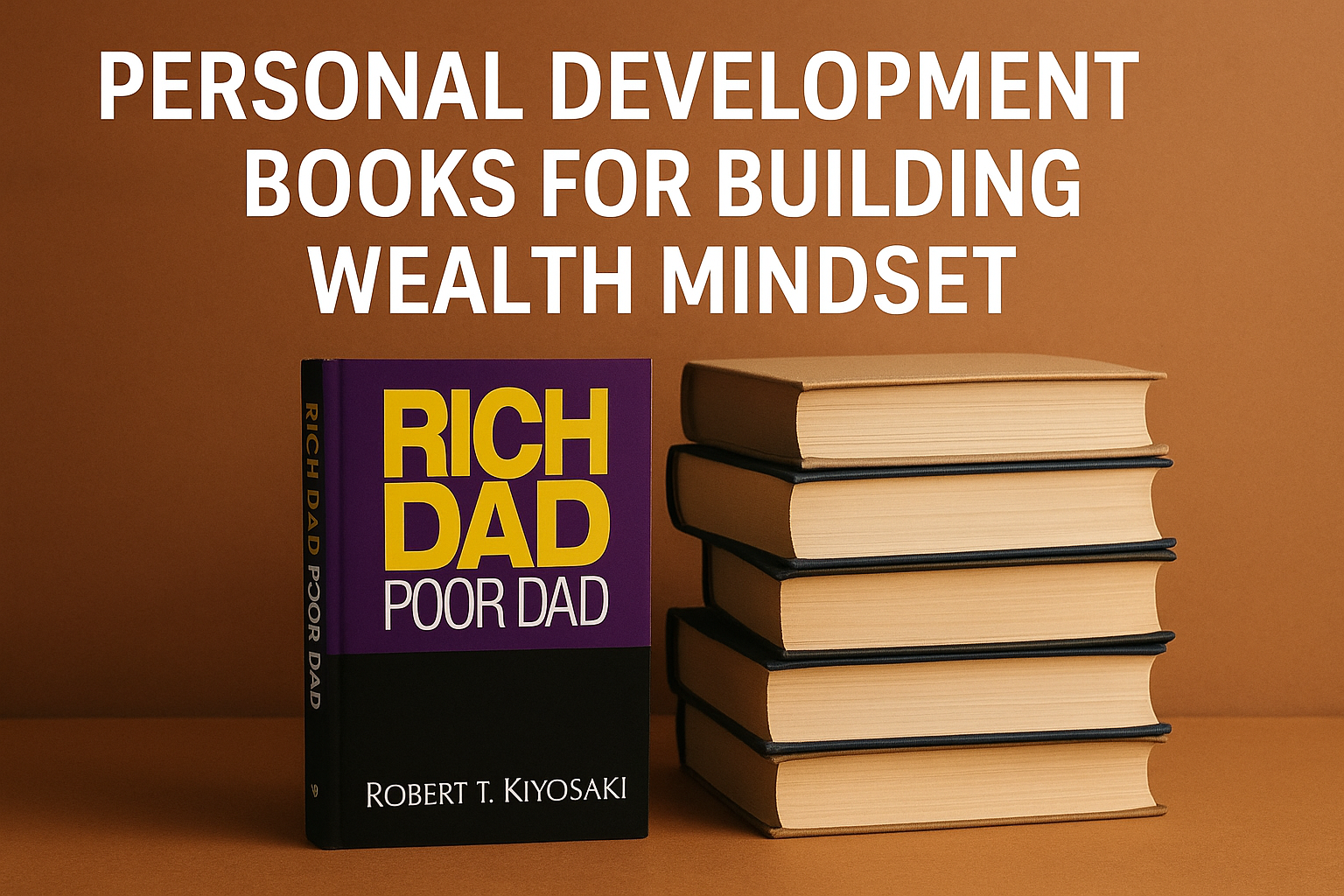
Rich Dad Poor Dad by Robert Kiyosaki

Few books have had as much impact on financial thinking as Rich Dad Poor Dad. Robert Kiyosaki shares his unique perspective by comparing the lessons he learned from his two father figures—his biological father (the “Poor Dad”) and his best friend’s father (the “Rich Dad”). The contrast between these two mindsets offers powerful lessons for anyone looking to build wealth.

One of the core lessons is the difference between assets and liabilities. According to Kiyosaki, poor people often buy liabilities thinking they’re assets—like cars, gadgets, or big houses that drain money every month. Wealthy people, on the other hand, focus on acquiring assets—things that put money in their pocket, like real estate, investments, or businesses.

Another crucial takeaway is the importance of financial education. Traditional schooling teaches you how to be a good employee, but it rarely teaches you how money actually works. Kiyosaki emphasizes the need to educate yourself about money, investing, and entrepreneurship if you want true financial freedom.

This book also challenges the idea of working for money. Instead, Kiyosaki encourages readers to make money work for them. That means creating systems, investments, or businesses that generate income even when you’re not actively working.

For anyone stuck in the cycle of trading time for money, Rich Dad Poor Dad is a wake-up call. It pushes you to question what you’ve been taught about money and inspires you to pursue financial independence with a completely new mindset.


Think and Grow Rich by Napoleon Hill

If there’s one book that has become the foundation of wealth-building literature, it’s Think and Grow Rich by Napoleon Hill. Originally published in 1937, this classic has inspired millions of entrepreneurs, investors, and dreamers across the world. What makes this book powerful isn’t just its financial advice—it’s the way it dives deep into the psychology of success.

One of Hill’s central ideas is that “thoughts are things.” He believed that every success begins with a clear, burning desire. Wealth doesn’t just happen by accident—it starts in your mind. When you visualize your goals and hold on to them with persistence, you create the energy and focus needed to turn them into reality.

Another key lesson is the importance of faith and persistence. Hill interviewed some of the most successful people of his time, including Andrew Carnegie, Henry Ford, and Thomas Edison, and discovered that all of them had unwavering belief in their vision. They faced failures, setbacks, and ridicule, but they kept moving forward. This resilience is what separated them from the crowd.

Hill also emphasized the role of the “Mastermind Group.” He believed that success is never achieved in isolation. Surrounding yourself with like-minded individuals creates a synergy that multiplies your chances of achieving wealth. This principle still applies today—whether through networking, mentorship, or business partnerships.

What makes Think and Grow Rich timeless is its blend of spiritual and practical advice. While it doesn’t give you step-by-step financial strategies, it equips you with the mindset that makes wealth possible. If you want to rewire your thinking, develop persistence, and start believing in your ability to attract success, this book is a must-read.


The Millionaire Next Door by Thomas J. Stanley & William D. Danko

Most people imagine millionaires as flashy individuals driving luxury cars, living in mansions, and constantly showing off their wealth. But research shows otherwise. In The Millionaire Next Door, Stanley and Danko reveal a surprising truth: most real millionaires live modest lives, drive average cars, and quietly build wealth over time.

This book is based on years of research into the habits and lifestyles of America’s wealthy. The authors discovered that true millionaires aren’t those with high incomes but those who practice discipline and smart money management. Instead of spending to impress others, they focus on saving, investing, and living below their means.

One of the biggest lessons is the concept of financial independence versus social status. Many people fall into the trap of “keeping up with the Joneses”—spending money on luxuries to look successful. But in reality, this often leads to debt and financial stress. Real millionaires, on the other hand, prioritize financial freedom over appearances.

Another valuable insight is about generational wealth. The book highlights how wealthy families often raise their children with strong financial values, teaching them discipline, hard work, and responsibility rather than spoiling them with money.

What makes The Millionaire Next Door so impactful is that it breaks stereotypes. It shows you that wealth is not about luck, inheritance, or extravagant lifestyles—it’s about consistent habits and choices. By applying these principles, anyone can quietly and steadily build lasting wealth, regardless of their income level.


The Psychology of Money by Morgan Housel

Money isn’t just about numbers—it’s about behavior. In The Psychology of Money, Morgan Housel explains why our relationship with money often defies logic. He argues that financial success isn’t necessarily about knowledge; it’s about how you behave with money. And behavior is influenced by emotions, upbringing, and personal experiences.

One of the central ideas is that wealth is what you don’t see. Most people think wealth means driving fancy cars or owning designer clothes. But in reality, those things often represent spending, not saving. True wealth is the money you have invested, saved, and growing behind the scenes—not the money you show off.

Housel also emphasizes the power of long-term thinking. Many people make short-sighted financial decisions because they want instant gratification. But wealth comes from patience, compounding, and consistency. Just as a tree takes years to grow, your money needs time to multiply.

Another important takeaway is that personal finance is deeply personal. What works for one person may not work for another, and that’s okay. The goal isn’t to copy someone else’s strategy—it’s to understand your own values and build a financial plan that aligns with them.

This book is filled with relatable stories and examples that make complex financial concepts easy to understand. By the end, you realize that building wealth isn’t just about making smart choices—it’s about managing your emotions, staying patient, and keeping your perspective in check.


Secrets of the Millionaire Mind by T. Harv Eker

If you’ve ever wondered why some people seem to attract wealth effortlessly while others struggle, Secrets of the Millionaire Mind provides a powerful answer. T. Harv Eker introduces the concept of “money blueprints”—the subconscious beliefs about money that shape our financial destiny.

According to Eker, we all grow up with certain money beliefs passed down from parents, culture, or society. Some of these beliefs are empowering, while others are limiting. For example, if you were raised hearing phrases like “money doesn’t grow on trees” or “rich people are greedy,” those ideas may unconsciously hold you back from pursuing wealth.

The book focuses on identifying and rewiring these limiting beliefs. Eker presents 17 “Wealth Files,” which are specific ways wealthy people think differently from the poor or middle class. For instance, rich people believe they create their life, while poor people believe life happens to them. Rich people focus on opportunities, while poor people focus on obstacles.

What makes this book actionable is that Eker doesn’t just share mindset shifts—he gives practical exercises to help you reprogram your financial identity. By repeating affirmations, practicing gratitude, and changing daily habits, you can align your thoughts with the mindset of wealth.

Secrets of the Millionaire Mind is like a financial therapy session. It makes you confront your deepest money beliefs and empowers you to take control of your financial future. If you’ve ever felt “stuck” financially despite working hard, this book could reveal the hidden beliefs that are holding you back.


Atomic Habits by James Clear

At first glance, you might not think Atomic Habits belongs in a list of wealth mindset books. But here’s the truth: building wealth isn’t about one big breakthrough—it’s about small, consistent actions repeated over time. And that’s exactly what James Clear teaches.

The main principle of the book is that small habits, when compounded, create massive results. Just like saving a little money consistently leads to wealth, improving just 1% daily in any area of life leads to exponential growth over time.

Clear emphasizes that success isn’t about setting huge goals—it’s about building systems. For example, instead of saying “I want to save $10,000,” you focus on creating a system of automatically saving a portion of your income every month. Systems create consistency, and consistency builds results.

The book also explains how habits are formed through cues, cravings, responses, and rewards. By understanding this cycle, you can break bad money habits like overspending and replace them with positive ones like investing regularly or tracking expenses.

What makes Atomic Habits so valuable for wealth building is that it gives you practical tools to change your behavior permanently. Because at the end of the day, it’s not knowledge but habits that determine whether you succeed financially. If you can master your daily actions, wealth becomes an inevitable outcome.


Lessons Learned from Wealth Mindset Books

When you start reading wealth mindset books, you’ll notice a recurring pattern: even though the authors come from different backgrounds and time periods, they share surprisingly similar lessons. This consistency proves that wealth creation is not about luck—it’s about applying universal principles that work across cultures and generations.

One of the most common lessons is the importance of financial literacy. Books like Rich Dad Poor Dad and The Psychology of Money stress that if you don’t understand how money works, you’ll always struggle with it. Financial literacy isn’t about being a math genius—it’s about knowing how to budget, invest, and make smart money decisions.

Another recurring theme is the power of habits and discipline. Whether it’s James Clear in Atomic Habits or Stanley and Danko in The Millionaire Next Door, the message is clear: your daily choices matter more than one-time windfalls. Consistently saving, avoiding unnecessary debt, and reinvesting profits are habits that eventually snowball into wealth.

Delayed gratification is also a lesson that appears in nearly every book. Wealthy people think long-term, while those stuck in financial struggles often chase instant rewards. For example, choosing to invest $500 instead of buying the latest gadget might feel boring now, but in 10 years, that decision could grow into thousands of dollars.

Lastly, wealth mindset books highlight the role of self-belief and resilience. From Napoleon Hill’s emphasis on persistence to Harv Eker’s teachings on rewriting money blueprints, the idea is clear: you must believe in your ability to create wealth and stay committed even when obstacles arise.

By connecting these lessons, readers gain a clear framework: learn about money, practice disciplined habits, think long-term, and strengthen your mindset. Apply these consistently, and financial success becomes a natural byproduct of who you are.


How to Apply Wealth Mindset Lessons in Daily Life

Reading about wealth principles is one thing—but putting them into action is where real transformation happens. The good news is that you don’t need to make huge changes all at once. In fact, wealth is built through small, intentional actions that compound over time.

Start by creating a daily routine that supports financial growth. For example, track your expenses every evening for five minutes. This simple habit makes you aware of where your money is going and helps you cut unnecessary spending. Pair it with a weekly check-in to review your budget and see where you can adjust.

Another way to apply wealth lessons is by automating good behaviors. Set up automatic transfers to your savings or investment account so you don’t rely on willpower alone. This aligns with the principle from Atomic Habits—make good habits easy and bad habits difficult.

Developing multiple income streams is another practical step. Wealth mindset books often highlight the danger of relying on just one paycheck. Start a side hustle, learn investing, or build passive income through digital products or rental properties. Even if the extra income is small at first, it adds security and accelerates your wealth journey.

Also, practice gratitude and positive affirmations around money. From Secrets of the Millionaire Mind, we learn that negative beliefs about money can sabotage success. Replace limiting thoughts like “I’ll never be rich” with empowering ones like “I am capable of creating financial abundance.”

By integrating these small steps into daily life, you’ll not only change your financial habits—you’ll change your identity. Over time, you’ll naturally start thinking and acting like someone who builds wealth, and success will follow.


Overcoming Challenges in Developing Wealth Mindset

Shifting to a wealth mindset is not always easy. In fact, many people face resistance when trying to change their beliefs about money. One of the biggest challenges is breaking free from limiting beliefs. If you grew up hearing that “money is evil” or “people like us can’t be rich,” those subconscious ideas can hold you back. Overcoming them requires awareness, reflection, and intentional rewiring of your thought patterns.

Another challenge is fear—fear of failure, fear of risk, and even fear of success. Many people hesitate to invest or start a business because they’re afraid of losing money. But wealth mindset books remind us that calculated risks are necessary for growth. The key is to educate yourself, start small, and build confidence through experience.

Discipline is another hurdle. It’s easy to get excited about wealth-building principles but hard to stick with them when temptations arise. Whether it’s resisting impulsive spending or consistently contributing to an investment account, discipline is what separates dreamers from doers. This is why building systems and habits, as taught in Atomic Habits, is so powerful—it reduces reliance on willpower.

Lastly, staying motivated during setbacks can be difficult. Financial progress is rarely a straight line—you may face job loss, failed investments, or unexpected expenses. In these moments, mindset matters most. Books like Think and Grow Rich emphasize persistence as the defining trait of successful people. If you treat setbacks as lessons rather than failures, you’ll keep moving forward.

By anticipating these challenges and preparing strategies to overcome them, you strengthen your resilience. And with resilience, your wealth mindset becomes unshakable.


Wealth Mindset and Personal Growth Beyond Money

A true wealth mindset goes beyond just making money—it transforms every area of your life. Once you learn to think abundantly, practice discipline, and embrace growth, you naturally apply those principles to relationships, health, and personal fulfillment.

For example, confidence is a byproduct of building wealth mindset. As you learn to manage money effectively and achieve financial milestones, your self-esteem grows. This confidence spills over into your career, social life, and personal goals. You start seeing yourself as capable of handling challenges and creating opportunities.

Another aspect is leadership. Wealthy individuals often step into roles where they guide and inspire others—whether through business ventures, mentorship, or community impact. Developing a wealth mindset means you stop thinking only about survival and start thinking about contribution.

Giving back is also a key element. Books like The Psychology of Money remind us that wealth is not just about accumulation—it’s about using money as a tool for meaning. Many wealthy people find fulfillment in philanthropy, volunteering, or supporting causes that align with their values.

Perhaps the greatest gift of a wealth mindset is freedom—freedom to spend time with loved ones, pursue passions, and live life on your terms. This kind of personal growth is priceless, and it proves that building wealth isn’t just about financial numbers—it’s about creating a life of purpose, joy, and impact.


Additional Recommended Books for Continuous Growth

While the classics are powerful, there are many other books worth exploring if you want to keep growing your wealth mindset.

  • Your Money or Your Life by Vicki Robin – This book helps you rethink your relationship with money. It teaches you how to align your spending with your values and achieve financial independence.
  • The Richest Man in Babylon by George S. Clason – A timeless classic filled with simple yet profound financial lessons told through parables. It’s especially useful for beginners looking for practical money principles.
  • You Are a Badass at Making Money by Jen Sincero – A modern, fun, and motivational take on wealth mindset. Sincero mixes humor with actionable advice to help you break through self-doubt and create abundance.
  • The Science of Getting Rich by Wallace D. Wattles – Written in 1910, this short but powerful book explores the philosophy of wealth creation and emphasizes that getting rich is a matter of mindset and faith.
  • I Will Teach You to Be Rich by Ramit Sethi – A practical guide that combines mindset with step-by-step financial strategies for millennials and beyond.

By continuously feeding your mind with these books, you reinforce positive financial beliefs and stay motivated on your journey. Remember: personal growth doesn’t stop—it evolves with every stage of your life.


Conclusion: Building Your Wealth Journey Through Books

Developing a wealth mindset is one of the most valuable investments you can make in yourself. It’s not just about learning how to earn more money—it’s about transforming the way you think, act, and live. Books play a crucial role in this transformation because they provide wisdom from those who have already achieved financial success.

From classics like Think and Grow Rich to modern insights like The Psychology of Money, these books teach us that wealth begins in the mind. They remind us to focus on financial literacy, discipline, habits, and emotional intelligence. They show us that setbacks are part of the journey, and that persistence always pays off.

But the true power of a wealth mindset goes beyond money—it leads to freedom, confidence, leadership, and impact. By applying these lessons daily, you can create not only financial success but also a meaningful life that inspires others.

So, pick up a book today. Start small, apply the lessons, and watch how your mindset—and your life—begin to change. Your journey to wealth doesn’t start with money. It starts with you.

FAQ’s on Personal Development Books for Building Wealth Mindset

What is the best personal development book for wealth mindset beginners?

A great starting point is Rich Dad Poor Dad by Robert Kiyosaki. It’s simple, easy to understand, and challenges many traditional money beliefs.

How long does it take to develop a wealth mindset?

There’s no fixed timeline. With consistent reading, reflection, and practice, most people begin to see changes in their mindset within a few months. The key is persistence.

Are wealth mindset books only about money?

Not at all. While money is the central theme, these books also teach valuable lessons about discipline, confidence, leadership, and personal growth.

Should I read multiple books or focus on one?

It’s best to start with one book that resonates with your current situation. Once you’ve applied its lessons, move on to the next. Over time, the insights from multiple books will connect and strengthen your mindset.

Can reading books alone make me rich?

No. Books provide knowledge and mindset shifts, but you must take action. Applying the principles in real life—through saving, investing, and building income streams—is what leads to wealth.

What habits can I start today to develop a wealth mindset?

Begin by tracking your expenses, setting aside a small percentage of your income for savings, and reading at least 10 pages of a wealth mindset book daily. Small, consistent actions compound into big financial changes over time.

Do I need a high income to benefit from wealth mindset books?

Not at all. Wealth mindset isn’t about how much you make—it’s about how you manage, grow, and multiply what you have. Many millionaires started with modest incomes but applied strong financial principles consistently.

How do these books help with overcoming financial fear?

Wealth mindset books teach you to replace fear with knowledge and confidence. By learning from the experiences of others, you realize that mistakes are part of the journey and that risks can be managed intelligently.

Can I listen to audiobooks instead of reading physical books?

Yes! Audiobooks are a great option, especially if you have a busy schedule. What matters most is consistently absorbing the knowledge—whether through reading, listening, or even summarizing key lessons for practice.

How can I stay motivated to apply what I learn from these books?

Set small, realistic goals, track your progress, and celebrate milestones. Joining a community or mastermind group can also help keep you accountable and motivated on your wealth-building journey.
How to set achievable personal development goals?

Introduction to Goal-Setting

Goal-setting is one of those timeless practices everyone preaches about—teachers talk about it, bosses demand it, and self-help books swear by it. At its core, setting a goal is simple: you identify something you want, create a plan to get there, and then work toward it. But if it’s that simple, why do most people struggle to follow through? Why do we often start with excitement, only to burn out or lose focus halfway through?

The truth is, goals are deeply tied to human psychology. They give us direction, purpose, and motivation. Think about it—without goals, life would feel like driving with no destination. You’d move, but without clarity, you’d never know if you’re on the right path. Goals are essentially the roadmaps of personal development.

But here’s the twist: while the idea of setting goals seems empowering, most people unknowingly set themselves up for failure. Whether it’s deciding to hit the gym five times a week, saving a certain amount of money, or finally starting that dream business, the majority fail not because they lack discipline, but because their approach to goal-setting is fundamentally flawed. And this is why understanding how to set achievable personal development goals is more than just useful—it’s life-changing.


The Harsh Reality of Goal Failure

Every January, millions of people write down their New Year’s resolutions with full enthusiasm. Fast forward to February, and most gyms are already empty, savings accounts untouched, and self-improvement plans abandoned. Studies show that nearly 92% of people fail to achieve their goals, leaving only a small 8% who actually succeed. That means almost everyone is struggling with the same problem—and it’s not just about willpower.

The reality is that goal-setting, in the way it’s traditionally taught, often backfires. People either overestimate their ability, underestimate the effort required, or simply lose track of why they wanted the goal in the first place. Imagine setting a goal of running a marathon when you haven’t even jogged a mile in years—it sounds inspiring, but without a practical plan, it’s a recipe for disappointment.

Another reason goals fail is that people often confuse goals with fantasies. Wishing to “get rich” or “be happier” isn’t the same as setting a clear, actionable objective. Without measurable steps and accountability, these desires remain vague dreams. The hard truth? Goal-setting failure isn’t a sign of weakness—it’s a reflection of flawed methods.


The Psychology Behind Failed Goals

Why do people sabotage themselves even when they desperately want to succeed? The answer lies in psychology.

First, let’s talk about unrealistic expectations. When you set a goal that’s too big too soon, your brain experiences a dopamine rush in the beginning—it feels exciting and empowering. But as soon as reality kicks in and progress feels slow, your motivation dips. This emotional rollercoaster often leads to quitting.

Then there’s lack of emotional connection. A lot of people set goals because they think they “should,” not because they truly want them. For instance, someone might set a goal to lose weight because society pressures them, not because they personally value fitness. Without genuine emotional buy-in, the brain doesn’t prioritize the effort needed.

Finally, self-sabotage plays a huge role. Sometimes, fear of success or failure can make people procrastinate. Think of it like this: your mind wants comfort, not challenge. So the moment a goal starts feeling uncomfortable, your subconscious finds excuses to avoid it. That’s why understanding mindset and psychology is crucial for learning how to set achievable personal development goals.


The Trap of Popular Goal-Setting Methods

We’ve all heard about New Year’s resolutions and SMART goals (Specific, Measurable, Achievable, Relevant, Time-bound). On paper, these frameworks seem foolproof. But in reality, most people don’t stick to them.

Take New Year’s resolutions, for example. They’re often fueled by emotion rather than strategy. People feel inspired by the “new year, new me” mentality, but they fail to break their goals into practical steps. That’s why gyms are crowded in January and empty by March.

Now, let’s talk about SMART goals. While they can provide structure, they often make goals too rigid. Life is unpredictable, and sticking to overly strict deadlines can create unnecessary pressure. Imagine setting a SMART goal of reading 30 books in a year, only to get derailed by unexpected life events. Instead of adjusting, many people quit altogether because they feel like they’ve “failed.”

The issue with these methods is that they don’t account for flexibility, motivation cycles, or emotional resilience. They treat people like machines instead of humans with ups and downs. This is why blindly following these traditional methods often keeps people stuck in the same loop of failure.


What Actually Works in Goal-Setting

If most goal-setting methods don’t work, what does? The answer lies in clarity, alignment, and sustainability.

First, you need a clear personal vision. Think of it as your “big picture” destination. If you don’t know where you’re going, even the best strategies won’t help. For example, instead of vaguely wanting to “be successful,” you should define what success means to you—financial freedom, better health, or stronger relationships.

Second, your goals must align with your values and lifestyle. If your goal doesn’t resonate with your true self, you’ll lose interest quickly. For example, if family time is your top priority, setting a goal that requires 80-hour work weeks is bound to fail. Alignment creates natural motivation because you’re working toward something that feels right for you.

Finally, sustainability is key. Instead of aiming for massive overnight success, focus on long-term growth. Small, consistent progress builds momentum and ensures you won’t burn out. It’s like climbing a mountain—you don’t sprint to the top; you take steady steps while conserving energy.

This is the foundation of learning how to set achievable personal development goals—creating goals that fit who you are, grow with you, and inspire you without overwhelming you.


Related: What Are the 10 Life Skills That Will Change Your Life?


How to Set Achievable Personal Development Goals

When most people think about setting goals, they imagine something big, bold, and life-changing. While that’s motivating, it’s also where failure begins. The truth is, if you want to master how to set achievable personal development goals, you have to strike a balance between dreaming big and staying realistic.

One powerful strategy is breaking your big vision into smaller, actionable steps. For instance, if your ultimate goal is to write a book, your first step might be writing just 200 words a day. That may not sound like much, but over time, it adds up to thousands of words. Small, incremental steps work because they build confidence and momentum, making you less likely to quit.

Another key factor is balancing ambition with realism. Ambitious goals stretch you, but unrealistic goals break you. Let’s say you want to learn a new language. If you set a goal to become fluent in six months, you’ll likely feel overwhelmed and discouraged. But if you set a goal to learn 20 new words a week, you’ll steadily progress without burning out.

Also, personal development goals should connect deeply with your “why.” Ask yourself: Why do I really want this? If you want to exercise more, is it because you want to feel healthier, have more energy, or build self-confidence? Tying goals to a deeper meaning creates lasting motivation, even when the initial excitement fades.

In short, the real secret to setting achievable goals lies in clarity, realism, and emotional connection. The more your goals feel aligned with your personal vision and values, the higher your chances of sticking with them.


The Role of Habits in Achieving Goals

Here’s a hard truth: goals alone don’t change your life—habits do. Goals give you direction, but habits determine whether you get there. Think of a goal as the destination and habits as the vehicle that drives you to it.

One major mistake people make is focusing only on the end result without building the daily systems to support it. For example, if your goal is to lose 20 pounds, the real work isn’t in dreaming about the number—it’s in creating daily habits like meal prepping, walking after dinner, or drinking more water.

This is why James Clear, author of Atomic Habits, emphasizes that systems matter more than goals. When you focus on habits, success becomes a natural byproduct of your lifestyle. Instead of saying, “I want to run a marathon,” you shift to, “I am the type of person who runs daily.” That identity shift is what makes habits powerful.

Another effective technique is habit stacking. This means attaching a new habit to an existing one. For instance, if you already drink coffee every morning, you can use that moment to also write down three things you’re grateful for. By linking the new habit to something automatic, you reduce resistance and increase consistency.

Ultimately, if you want to succeed in how to set achievable personal development goals, stop obsessing about the finish line and focus on the process. The habits you build today will either carry you forward or keep you stuck.


Overcoming Mental Roadblocks

Even with clear goals and strong habits, mental barriers can still stand in the way. The biggest culprits? Fear of failure, perfectionism, and self-doubt.

Fear of failure often paralyzes people before they even start. You might think, “What if I try and don’t succeed?” But here’s the truth: failure isn’t the opposite of success—it’s part of the journey. Every successful person you admire has failed multiple times before achieving greatness. The difference is, they reframed failure as feedback rather than defeat.

Perfectionism is another silent killer. Many people never start their goals because they’re waiting for the “perfect” time, conditions, or plan. Spoiler alert: the perfect time never comes. Progress always beats perfection. For example, if you want to start exercising but can’t commit to a full one-hour workout, even a 10-minute walk is progress.

Then there’s self-doubt—the nagging voice that whispers, “You’re not good enough.” Overcoming it requires rewiring your mindset. One effective strategy is using affirmations and visualization. By repeatedly telling yourself, I’m capable of change and imagining yourself succeeding, you build the mental resilience needed to push through doubt.

When it comes to how to set achievable personal development goals, overcoming these mental roadblocks is just as important as setting the goals themselves. If your mindset isn’t aligned with growth, no strategy in the world will work.


The Importance of Accountability and Support

Have you ever noticed how much easier it is to stick to something when someone’s holding you accountable? That’s because humans are wired for connection and social validation. When it comes to achieving goals, accountability can make the difference between giving up and pushing through.

There are several ways to build accountability. One is finding an accountability partner—a friend, family member, or colleague who checks in on your progress. This works because you’re not just letting yourself down if you quit; you’re letting someone else down too. That extra layer of responsibility often keeps you motivated.

Another option is hiring a coach or mentor. Coaches provide guidance, structure, and encouragement while keeping you on track. Mentors, on the other hand, offer wisdom from their own experiences, helping you avoid common mistakes. Both forms of support can accelerate your progress dramatically.

Technology also plays a huge role. From habit-tracking apps to online communities, digital tools provide instant feedback and connection. Imagine checking off your daily habits on an app—it creates a sense of achievement that keeps you engaged.

Accountability isn’t just about reporting progress; it’s about having a support system that lifts you up when motivation dips. If you truly want to master how to set achievable personal development goals, don’t try to do it all alone—leverage the power of community and connection.


Time Management and Prioritization

Even the best goals can fail if you don’t manage your time effectively. Think about it: everyone has 24 hours a day, yet some people achieve extraordinary results while others struggle just to stay afloat. The difference lies in prioritization and focus.

One major time management mistake is trying to do everything at once. Spreading yourself too thin leads to burnout and mediocrity. Instead, focus on the Pareto Principle (the 80/20 rule)—80% of results often come from 20% of actions. Identify the tasks that truly move you closer to your goals and double down on them.

Eliminating distractions is equally important. Social media, constant notifications, and endless multitasking drain mental energy. By creating boundaries—like scheduling “focus blocks” where you work distraction-free—you’ll get more done in less time.

Productivity tools can also be game-changers. From planners and calendars to digital apps like Trello or Notion, these tools help organize your day and ensure you stay on track. However, remember that tools are only as good as the discipline behind them.

If your goal is personal development, whether that’s improving your health, building a new skill, or advancing your career, time management is the foundation. Without it, even the most well-crafted goals will crumble under the pressure of daily chaos.


Related: The Ultimate Guide to Time Management


The Science of Motivation

Motivation is the fuel behind every goal, but most people misunderstand how it actually works. They assume that motivation should always be strong and constant, but in reality, it fluctuates. If you’ve ever wondered why you feel unstoppable one day and completely drained the next, you’ve experienced this cycle firsthand.

There are two main types of motivation: extrinsic and intrinsic. Extrinsic motivation comes from external rewards, like money, recognition, or praise. Intrinsic motivation, on the other hand, comes from within—things like personal satisfaction, curiosity, or the joy of learning. Studies show that intrinsic motivation is far more powerful and sustainable because it aligns with your deeper values.

Then there’s the dopamine effect. Dopamine, the brain’s “reward chemical,” spikes not just when you achieve something but also when you anticipate progress. This means your brain gets excited by small wins along the way. That’s why breaking big goals into smaller milestones is so effective—it gives your brain multiple chances to celebrate progress instead of waiting for one big finish line.

But here’s the kicker: relying on motivation alone is dangerous. Motivation is like a spark—it gets you started but fades quickly. Discipline and habits keep the fire burning long-term. If you want to master how to set achievable personal development goals, you need to structure your environment in a way that supports action, even when motivation runs low. That’s where routines, accountability, and self-discipline step in.


Real-Life Examples of Successful Goal Achievement

Theory is useful, but real-life stories make the lessons hit harder. Let’s look at two examples of people who achieved big goals by focusing on process over perfection.

Case Study 1: The Entrepreneur
Sarah, a struggling freelancer, dreamed of starting her own online business. Initially, she set a vague goal: “I want to make six figures.” Unsurprisingly, she got nowhere. But when she shifted to small, actionable steps—like sending three pitches per day, building her website one page at a time, and learning one new skill per month—she built momentum. Within two years, she not only hit her income target but surpassed it. Her secret? Breaking the big dream into a system of daily habits.

Case Study 2: The Personal Development Journey
John, an overweight office worker, set a goal to lose 50 pounds. At first, he joined a gym and tried working out for two hours every day. Within weeks, he burned out and quit. Then he tried a new approach: walking 20 minutes daily, drinking more water, and swapping soda for tea. Over time, these small habits snowballed. Two years later, he not only lost the weight but kept it off because his lifestyle naturally supported his health.

These examples highlight the power of simplicity and consistency. Whether in business, health, or personal development, success comes from sustainable systems—not giant leaps. If you want to learn how to set achievable personal development goals, start by mastering the small things and letting them compound over time.


Creating a Sustainable Goal-Setting Framework

Most people set goals in bursts of inspiration but fail to create a long-term framework. Without sustainability, even the best goals collapse. So how do you build a system that lasts?

  1. Start with your vision. Write down what you want your life to look like 5–10 years from now. This gives you clarity.
  2. Set annual, quarterly, and monthly goals. Instead of only focusing on long-term dreams, break them down into smaller time frames.
  3. Create weekly systems. For instance, if your goal is to write a book, dedicate certain hours each week specifically to writing.
  4. Review and adjust. Life is unpredictable. A rigid plan often fails, but a flexible one survives. If something isn’t working, tweak it instead of quitting.

The most important part of this framework is adaptability. Your goals should evolve with you. Maybe today you’re focused on career growth, but next year, your priority shifts to health or relationships. That’s normal. Sustainable goal-setting means creating a flexible structure that grows as you grow.

When learning how to set achievable personal development goals, remember that sustainability isn’t about perfection—it’s about consistency over time. Think marathon, not sprint.


Common Myths About Goal-Setting

So much bad advice circulates about goal-setting that it’s no wonder people fail. Let’s debunk some of the biggest myths:

  • “You must hustle 24/7 to succeed.”
    Wrong. Constant hustle leads to burnout, not success. Rest and recovery are just as important as effort.
  • “Bigger goals are always better.”
    Not true. Setting massive, unrealistic goals often sets you up for disappointment. Small, meaningful goals are more effective because they build confidence and progress.
  • “Once you set a goal, you can’t change it.”
    Life changes, and so do priorities. Stubbornly clinging to outdated goals wastes time and energy. Flexibility is a strength, not a weakness.
  • “Motivation is all you need.”
    Motivation gets you started, but habits and systems keep you going. Anyone relying on motivation alone will eventually crash.

By letting go of these myths, you can approach goal-setting with a healthier, more realistic mindset. That’s how you create goals that actually work instead of ones that leave you frustrated.


Conclusion: Building a Future of Achievable Goals

At the end of the day, goal-setting isn’t about writing down lofty dreams and hoping for the best. It’s about crafting a vision, aligning it with your values, and building the systems to make it real. The reason 99% of goal-setting methods fail is because they focus on motivation and perfection instead of clarity, habits, and sustainability.

If you want to master how to set achievable personal development goals, start small, stay consistent, and surround yourself with the right support. Focus less on the finish line and more on the process that gets you there. Remember: success is not a single event—it’s the accumulation of small victories over time.

Your future self is waiting. The only question is—are you ready to take the first step today?


FAQ’s on How to set achievable personal development goals?

How do I set achievable personal development goals if I keep failing?

Start smaller. Break your big goal into bite-sized steps and focus on daily habits rather than the outcome.

Are small goals better than big goals?

Yes, because small goals build momentum. Over time, they compound into big results without overwhelming you.

How long should it take to achieve a personal development goal?

There’s no universal timeline. It depends on the goal and your consistency. What matters most is steady progress.

Should I write down my goals daily?

Yes. Writing them down reinforces clarity and commitment. It’s a mental reminder that keeps you focused.

What’s the difference between habits and goals?

Goals give you direction; habits create the path. Without habits, goals remain dreams.

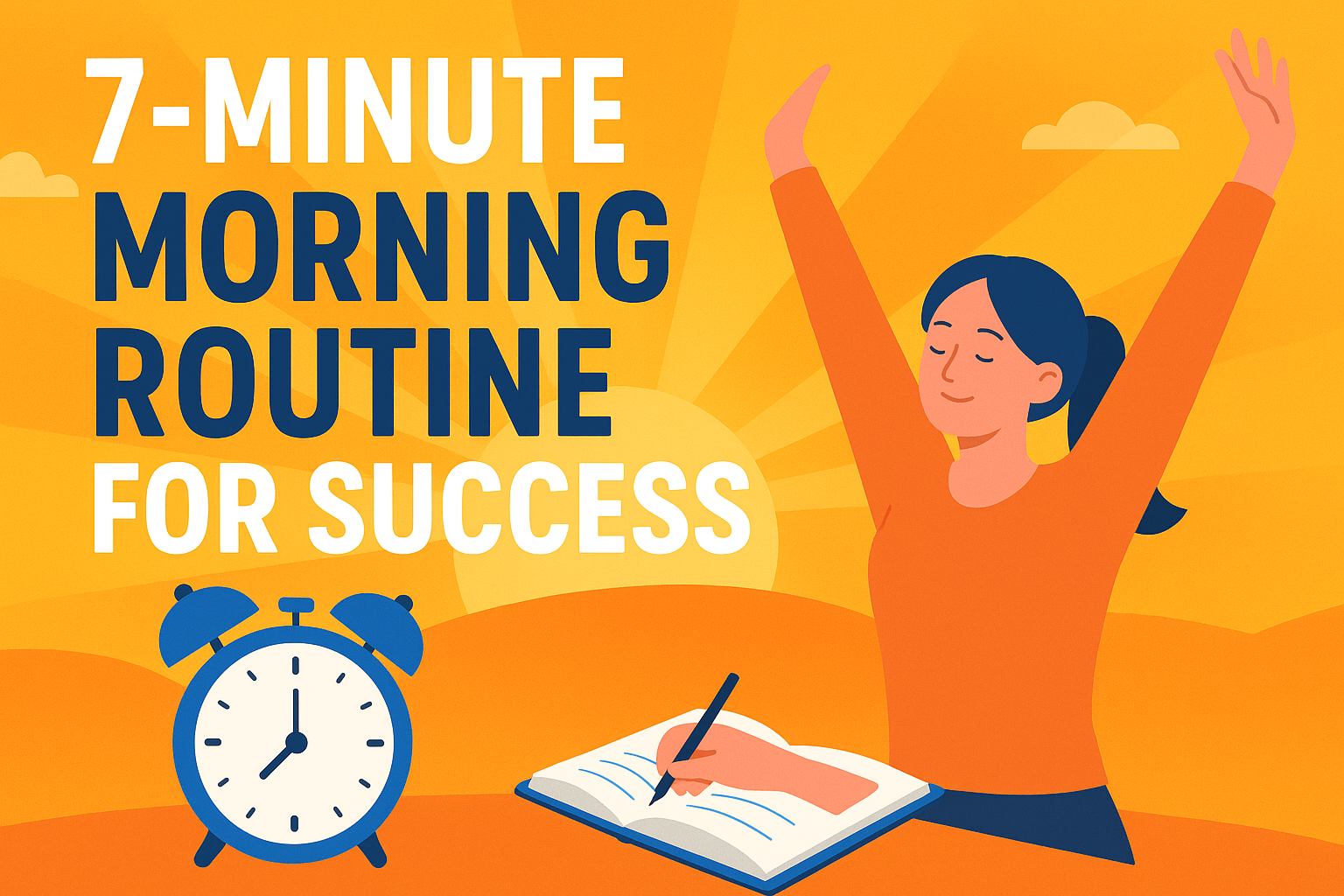
7-Minute Morning Routine for Personal Development

Morning routines have always been a hot topic among successful people. From CEOs to athletes, many attribute their daily wins to what they do first thing after waking up. But here’s the truth—not everyone has hours to meditate, journal, exercise, or read in the morning. Most of us are racing against the clock, juggling work, family, and personal commitments. That’s where the 7-minute morning routine steps in. It’s short, effective, and powerful enough to shape your day—and your future.

In this article, we’ll dive deep into why morning routines matter, how a 7-minute habit can outperform lengthy rituals, and step-by-step practices you can implement today. If you’ve been searching for the best morning routine for personal development, you’re about to discover a game-changer.


Why Morning Routines Matter for Personal Development

The way you start your morning sets the tone for everything that follows. Think of your brain as a smartphone battery—you plug it in at night, and in the morning, it’s fully charged. What you do in those first minutes determines whether you use that energy wisely or waste it.

Successful people don’t just roll out of bed and dive straight into chaos. They follow intentional rituals that prime their minds and bodies. These routines create mental clarity, build emotional resilience, and give them the edge needed to stay focused throughout the day.

The Psychology Behind Morning Habits

Morning routines tap into something psychologists call “habit stacking.” When you attach a small new habit to something you already do—like brushing your teeth or drinking water—it becomes easier to stick with. This principle explains why starting the day with even a 7-minute routine can create lasting change.

Neurologically, mornings are a fresh slate. The brain’s prefrontal cortex, which handles decision-making and focus, is most active in the early hours. This means the actions you take shortly after waking influence your thought patterns, mood, and productivity. By practicing mindfulness, gratitude, or light movement in the morning, you’re training your brain to operate from a state of calm and clarity rather than stress and distraction.

How Small Rituals Shape Big Success

Many people believe that massive results require massive effort. But in reality, it’s the small, repeated actions that compound over time. Consider this: a single glass of water doesn’t hydrate you for life, but drinking water daily sustains your health. In the same way, a short but powerful morning routine plants seeds that grow into long-term success.

For high achievers, consistency is everything. Whether you’re an entrepreneur, student, or professional, showing up every day with energy and focus is the key to outperforming the competition. Even just a few minutes spent centering yourself in the morning can mean the difference between reacting to your day and intentionally creating it.


Related: What Are the 10 Life Skills That Will Change Your Life?


The Science of a 7-Minute Morning Routine

Some people might doubt whether just 7 minutes can really make a difference. But science says yes. Studies on habit formation, neuroplasticity, and time management all prove that short, consistent actions often outperform longer, inconsistent ones.

Time Efficiency and Cognitive Boosts

Modern life is busy. Most of us don’t have two hours to dedicate to yoga, journaling, or reading every morning. However, research shows that even brief practices—like two minutes of stretching, one minute of deep breathing, or a short gratitude reflection—can significantly boost mental performance.

For example, Harvard researchers have found that two minutes of power posing can boost confidence and reduce stress hormones. Similarly, just five minutes of mindful breathing has been shown to lower anxiety and improve focus. Imagine what a balanced blend of these practices could do in only seven minutes.

The Power of Consistency Over Duration

Here’s a simple truth: it’s better to do a short routine daily than a long one occasionally. Think about exercising. One hour at the gym once a week won’t change your body. But ten minutes of daily movement will reshape your health over time. The same principle applies to morning routines.

Consistency wires your brain for success. The more you repeat a behavior, the stronger the neural connections become. A 7-minute routine, done every day, creates a rhythm that aligns your thoughts, emotions, and actions with your long-term goals.


Related: The Ultimate Guide to Time Management


Step 1 – One Minute of Mindful Breathing

If you’ve ever woken up with your mind racing—thinking about deadlines, meetings, or errands—you know how easy it is to start the day on the wrong note. That’s where mindful breathing comes in. In just one minute, you can calm your nervous system, quiet your thoughts, and anchor yourself in the present moment.

Why Breathwork Sets the Tone

Breathing is something we all do unconsciously, but when done with intention, it becomes a powerful tool. Research shows that slow, deep breathing activates the parasympathetic nervous system, also known as the “rest and digest” mode. This reduces cortisol (the stress hormone) and increases oxygen flow to the brain, giving you mental clarity.

For high achievers, this matters because stress is the enemy of focus. Starting your day with mindful breathing clears away the mental fog, lowers anxiety, and allows you to approach challenges with a sharper, calmer mindset.

Practical Breathing Techniques for Beginners

You don’t need to be a meditation expert to benefit from breathwork. Here are two simple one-minute techniques:

  1. Box Breathing (4-4-4-4 Method):
    • Inhale through your nose for 4 seconds.
    • Hold your breath for 4 seconds.
    • Exhale slowly for 4 seconds.
    • Hold again for 4 seconds.
      Repeat for one minute. This technique is used by Navy SEALs to stay calm under pressure.
  2. 4-7-8 Breathing:
    • Inhale deeply through your nose for 4 seconds.
    • Hold for 7 seconds.
    • Exhale slowly for 8 seconds.
      This method is excellent for reducing anxiety and setting a peaceful tone for the day.

The beauty of mindful breathing is that it requires no equipment, no preparation, and no special environment. You can do it sitting in bed, standing in front of a mirror, or even while sipping your morning water.


Step 2 – Two Minutes of Movement

After calming your mind, it’s time to wake up your body. High achievers know that energy is their most valuable asset, and movement is the fastest way to boost it. You don’t need a full workout—just two minutes of intentional movement can fire up your circulation, release endorphins, and switch your brain into “action mode.”

Quick Exercises to Energize Your Body

Here are a few options you can rotate between:

  • Jumping Jacks (30 seconds): Gets your heart pumping and oxygen flowing.
  • Bodyweight Squats (30 seconds): Strengthens your legs and improves blood flow.
  • Push-Ups (30 seconds): Activates your upper body and core.
  • Stretching (30 seconds): Loosens up stiff muscles and improves mobility.

This routine can be adjusted based on your fitness level. Even light stretches and neck rolls count—what matters is movement, not intensity.

How Movement Enhances Focus and Mood

Exercise, even in small doses, stimulates the release of dopamine and serotonin—two neurotransmitters linked to motivation and happiness. When you move first thing in the morning, you’re not just waking up your muscles—you’re priming your brain for productivity.

In fact, researchers from the University of Bristol found that employees who exercised before work reported improved concentration, sharper memory, and better problem-solving skills throughout the day. That’s why this 2-minute practice is such a powerful component of the best morning routine for personal development.


Step 3 – One Minute of Gratitude Practice

The third step in the 7-minute morning routine is all about rewiring your mindset. Gratitude isn’t just about being polite—it’s a mental habit that changes how you see the world. In just one minute, you can shift your focus from what’s missing to what’s already working in your life.

The Role of Gratitude in Mental Clarity

Gratitude activates the brain’s reward system, releasing dopamine and serotonin. This not only makes you feel good but also sharpens your focus. When you start your day appreciating what you have, you’re less likely to be distracted by negativity or overwhelm.

Psychologists have found that people who practice gratitude regularly experience less stress, better sleep, and stronger relationships. For high achievers, this emotional resilience is invaluable—it allows them to bounce back from setbacks and stay centered under pressure.

Simple Gratitude Rituals for Busy Professionals

Here are quick gratitude practices you can try in just one minute:

  • Three Blessings: Write down (or mentally note) three things you’re grateful for. They can be as simple as having a warm bed, good health, or a supportive friend.
  • Gratitude Visualization: Close your eyes and imagine one thing you’re grateful for in vivid detail—feel the emotions connected to it.
  • Gratitude Affirmation: Repeat a positive statement such as “I am grateful for this new day and the opportunities it brings.”

This small habit rewires your brain to look for the positives instead of obsessing over challenges. Over time, gratitude becomes a lens through which you view your entire life.


Step 4 – Two Minutes of Affirmations

If gratitude is about appreciating what you already have, affirmations are about creating the future you want. This step might feel awkward at first, but science backs it up. Speaking empowering words to yourself literally reprograms your subconscious mind. In just two minutes, affirmations can help you overcome self-doubt, strengthen confidence, and align your thoughts with your goals.

Why Affirmations Build Confidence and Direction

Our brains are wired to believe what we repeatedly tell them. When you wake up and start your day by affirming positive truths, you’re training your mind to expect success instead of failure. This practice is rooted in neuroplasticity—the brain’s ability to form new pathways based on repeated thoughts and behaviors.

High achievers often face imposter syndrome, pressure, and endless challenges. Affirmations serve as mental armor, reminding you that you’re capable, resilient, and deserving of success. Over time, these short statements influence not just how you think but also how you act.

Examples of Morning Affirmations

Here are powerful affirmations you can rotate daily:

  • “I am focused, disciplined, and ready to achieve my goals today.”
  • “Challenges are opportunities for growth, and I embrace them with confidence.”
  • “I am grateful for my progress and excited about my future.”
  • “I create success by taking small, consistent steps every day.”

The key is to say these affirmations out loud with energy and belief. You’re not just reciting words—you’re declaring your intention for the day.


Step 5 – One Minute of Goal Setting

Now that your mind and body are primed, it’s time to add clarity. Many people start their day reacting to emails, messages, and other people’s demands. But high achievers don’t operate like that. They start with intentionality by deciding what matters most before distractions take over.

The Power of Daily Goal Clarity

Studies show that people who set specific goals are 10 times more likely to achieve them than those who don’t. When you define what success looks like for your day, you eliminate decision fatigue and improve focus.

This doesn’t mean writing a 20-item to-do list. Instead, it’s about identifying your top one to three priorities—the tasks that, if completed, would make the day a success.

Practical One-Minute Goal Ritual

Here’s a quick method you can try:

  1. Grab a notebook or your phone.
  2. Write down your top three goals for the day.
  3. Rank them in order of importance.

For example:

  1. Finish project proposal draft.
  2. Call a potential client.
  3. Spend 30 minutes on personal development reading.

This ritual ensures you start the day with direction instead of distraction.


The Complete 7-Minute Morning Routine in Action

Let’s quickly recap how the routine flows:

  1. One Minute of Mindful Breathing – Calm your mind.
  2. Two Minutes of Movement – Energize your body.
  3. One Minute of Gratitude – Shift your mindset.
  4. Two Minutes of Affirmations – Build confidence.
  5. One Minute of Goal Setting – Gain clarity.

That’s it—seven minutes, yet powerful enough to transform your life when practiced consistently.

Think of it like sharpening your sword before going into battle. You wouldn’t want to face the challenges of the day unprepared. These small, intentional steps make sure you start strong, stay focused, and finish with energy.


Why High Achievers Swear by Short Routines

At this point, you might wonder: if short routines are so powerful, why do some people spend hours on morning rituals? The truth is, both long and short routines work—but the key is sustainability.

High achievers love short routines because:

  • They’re realistic. Even on busy days, seven minutes is doable.
  • They’re flexible. You can adapt the routine whether you’re at home, traveling, or staying in a hotel.
  • They’re consistent. It’s easier to stick to a short habit daily than to commit to a long one occasionally.

Over time, many people expand their routines. The 7-minute version serves as a foundation—once it becomes second nature, you can add journaling, meditation, reading, or exercise. But even if you never expand, these seven minutes are enough to create a massive difference.


How to Stay Consistent with Your 7-Minute Routine

The hardest part of building a new habit isn’t starting—it’s sticking with it. Consistency is where most people fail. But with a few strategies, you can turn this routine into a lifelong practice.

Tips for Making It Stick

  • Pair it with an existing habit. Do it right after brushing your teeth or making your bed.
  • Use a timer. Knowing it only takes seven minutes makes it easier to commit.
  • Prepare the night before. Keep a notebook, water, or yoga mat ready so there are no excuses.
  • Track your progress. Use a habit tracker app or mark off days on a calendar to stay motivated.

Overcoming Common Obstacles

Some mornings you’ll wake up tired, stressed, or in a rush. That’s normal. Instead of skipping the routine altogether, do a shorter version—just breathing and gratitude. The key is never to break the chain. Even two minutes of effort keeps the momentum alive.

Remember: consistency matters more than perfection.


The Long-Term Benefits of a 7-Minute Morning Routine

When people hear “7 minutes,” they often underestimate its potential impact. But just like a single drop of water can ripple across an entire pond, these few minutes ripple into every area of your life. Over weeks and months, the routine becomes less about the minutes you spend and more about the person you’re becoming.

Improved Mental Clarity and Focus

The breathing and gratitude practices sharpen your brain. Instead of starting your day in a rush or fog, you begin with presence and calm. This mental clarity allows you to prioritize better, make smarter decisions, and stay less reactive throughout the day.

Imagine walking into meetings with a composed mind instead of feeling frazzled. Or tackling your most important tasks without procrastination. That’s the mental upgrade this routine delivers.

Boosted Emotional Resilience

Gratitude and affirmations train you to look for the good instead of dwelling on the negative. Over time, you develop resilience—the ability to bounce back quickly from setbacks. High achievers thrive not because they never fail, but because they recover faster than most people. This morning routine gives you that bounce-back ability.

Increased Energy and Motivation

The two minutes of movement aren’t just about fitness—they’re about energy management. That physical spark keeps you from dragging through the morning. Add affirmations, and you’ve got a motivational cocktail that keeps you going long after your coffee wears off.

A Stronger Sense of Purpose

Daily goal setting ensures you’re not drifting aimlessly. Instead of letting the day happen to you, you’re making it happen. Over time, this builds a deeper sense of purpose. You’re no longer just busy—you’re intentional.


Common Mistakes to Avoid When Starting This Routine

As simple as it sounds, many people sabotage their own success with avoidable mistakes. Recognizing them early can save you from frustration.

Trying to Do Too Much Too Soon

The biggest trap is overcomplicating the routine. You don’t need a 10-step ritual or fancy equipment. The beauty of this method is its simplicity. Start with the basics and expand only if you want to—not because you feel pressured to.

Skipping on Busy Days

Ironically, the days you feel “too busy” are the days you need the routine most. Skipping breaks the consistency chain and makes it harder to restart. Instead, commit to at least the one-minute breathing exercise. That way, you never lose momentum.

Rushing Through Without Intention

This routine isn’t about checking boxes—it’s about being present. If you rush through affirmations without meaning the words, or scribble goals without thinking, you’re missing the point. Focus on quality, not speed.


Adapting the Routine to Your Lifestyle

The 7-minute morning routine is universal, but it’s also flexible. Whether you’re a student, a busy parent, or an entrepreneur, you can shape it to fit your life.

For Professionals

If your mornings are packed with meetings and deadlines, this routine helps you start grounded. Keep a notepad by your desk for quick goal-setting, and do the breathing exercise in your office chair before diving into emails.

For Students

Studying requires focus and memory retention. This routine gives you both. Try affirmations like, “I am capable of mastering new knowledge today,” and set daily goals like finishing one chapter or revising notes.

For Parents

Juggling family life often means putting yourself last. This short routine ensures you invest in yourself first—before the day’s chaos begins. You can even involve your kids by practicing gratitude together at the breakfast table.


The Connection Between Morning Routines and Success Stories

If you look at high achievers across industries, a common thread appears: intentional mornings. While not everyone uses the same routine, the principle remains consistent—they prime their minds and bodies before tackling the day.

The exact steps may vary, but the formula is the same: focus, energy, and clarity first—then business.

The 7-minute routine is essentially a condensed version of what the world’s most successful people are already doing. It proves you don’t need hours—you just need intention.


Conclusion: Small Steps, Big Transformation

The best morning routine for personal development isn’t the one that looks impressive on paper—it’s the one you can actually stick with. This 7-minute routine is powerful because it blends simplicity with impact.

With mindful breathing, movement, gratitude, affirmations, and goal-setting, you’re covering the essentials: body, mind, and purpose. Seven minutes may feel small in the moment, but over time, it rewires your brain, strengthens your habits, and transforms your results.

So tomorrow morning, instead of reaching for your phone or rushing into chaos, try this simple sequence. It might just be the tiny change that leads to your biggest breakthrough.


FAQs on 7-Minute Morning Routine for Personal Developm

Can a 7-minute morning routine really make a difference?

Yes! Short, consistent habits compound into big results over time. Even seven minutes daily creates clarity, focus, and energy that shapes your entire day.

Do I have to follow the exact order of steps?

Not at all. The order is designed for flow, but you can adapt it. The key is consistency, not perfection.

What if I only have 3 minutes?

Do the essentials: 1 minute of breathing, 1 minute of gratitude, and 1 minute of goal setting. It’s better to do less consistently than skip entirely.

Should I expand the routine once I’m consistent?

If you want to, yes. Many people naturally add journaling, reading, or longer workouts once the 7-minute habit is solid.

How long before I see results?

Some people feel immediate benefits like calmness and focus. Long-term transformations—such as better resilience and productivity—usually appear after a few weeks of daily practice.

Unlocking Winning Interpersonal Skills

Introduction:
Ever feel like you’re talking, but no one’s really listening? Or maybe you’ve been in a room full of people and still felt disconnected? That’s where interpersonal skills come into play. These are the life tools that help us connect, communicate, and collaborate effectively with others. Whether you’re a team leader, a student, or someone simply wanting better relationships, sharpening your interpersonal skills can transform your world. Let’s unlock this power together and explore how you can become a master of meaningful connections.


What Are Interpersonal Skills and Why Do They Matter?

Think of interpersonal skills as the social glue that binds people together. They’re not just about talking — they’re about truly connecting. From active listening to empathy, body language to conflict resolution, these skills are what help us thrive in personal relationships, workplaces, and everyday social settings.

Here’s the thing: no matter how talented or intelligent you are, if you can’t effectively communicate or collaborate with others, your success might hit a ceiling. In today’s world, emotional intelligence often trumps IQ.


Related : What Are the 10 Life Skills That Will Change Your Life?


Top Interpersonal Skills You Need to Succeed

Let’s break it down. Here are the key interpersonal skills that can elevate your life and career:

1. Active Listening

We’re so used to waiting for our turn to speak that we forget to really listen. Active listening means being fully present, nodding, asking questions, and showing that you care.

2. Verbal Communication

How you speak — your tone, clarity, and confidence — has a major impact. Words are powerful, and using them wisely can open doors you never imagined.

3. Non-Verbal Communication

Body language, eye contact, facial expressions, even your posture — all say more than your words ever could.

The Ultimate Guide to Communication Skills

4. Empathy

Put yourself in someone else’s shoes. Empathy builds bridges and makes people feel understood — it’s the secret ingredient to emotional connection.

The Ultimate Guide to Emotional Intelligence

5. Teamwork

Whether at work or in a community, being able to collaborate harmoniously makes a huge difference. Team players are always in demand.

6. Conflict Resolution

Disagreements are inevitable. The real skill is managing them with grace, calm, and a solution-oriented mindset.

7. Adaptability

Being flexible and open to new ideas or changes makes you easier to work and live with — and keeps you growing.

8. Persuasion

This isn’t about manipulation. It’s about influencing others ethically, through logic, empathy, and credibility.


Why Interpersonal Skills Are Your Secret Career Weapon

According to a LinkedIn Global Talent Trends report, 92% of talent professionals say that soft skills — especially interpersonal skills — are just as important as hard skills, if not more.

Imagine walking into a job interview. You’ve got the resume, the qualifications, and the experience. But what really sets you apart is how you connect with the interviewer. Your smile, your listening skills, the way you handle tricky questions with grace — that’s the magic of strong interpersonal skills.


Real-Life Scenarios: How Interpersonal Skills Make a Difference

At Work:

Conflict with a coworker? Your ability to listen, empathize, and resolve tension diplomatically can turn potential enemies into allies.

In Relationships:

Misunderstandings are common. But when you can communicate your feelings clearly and understand your partner’s point of view, the relationship deepens.

During Presentations:

It’s not just about delivering facts. Engaging your audience, reading the room, and adapting your tone can turn a dull presentation into a memorable experience.


Tips to Strengthen Your Interpersonal Skills

1. Practice Mindful Communication

Be intentional in your conversations. Focus on understanding before responding.

2. Get Feedback

Ask trusted friends or colleagues how you come across in conversations. It’s eye-opening and incredibly helpful.

3. Observe Great Communicators

Watch TED Talks, attend workshops, or observe charismatic leaders. Notice how they use body language, tone, and empathy.

4. Join Groups or Clubs

Places like Toastmasters, book clubs, or volunteer groups are great for practicing your interpersonal skills in real-time.

5. Reflect and Improve

After every interaction, ask yourself: “What went well? What could I have done better?”


The Science Behind Interpersonal Skills

According to Harvard Business Review, people with high emotional intelligence (EQ) are better leaders and team members. Why? Because EQ includes core interpersonal skills like empathy, social awareness, and relationship management.

Neuroscience backs this up too — our brains are wired for connection. Mirror neurons allow us to feel what others feel, making empathy a biologically rooted skill.


Power Thought: “Connection is the currency of influence.”

The more you connect with people, the more influence, trust, and opportunity you build. Whether you’re climbing the corporate ladder or building a community, interpersonal skills are the ladder rungs that get you there.


Useful References

  1. MindTools – Developing Interpersonal Skills
  2. Indeed Career Guide – What Are Interpersonal Skills?

How to Apply Interpersonal Skills in Everyday Life

You don’t need to be in a boardroom or therapy session to use interpersonal skills — they’re just as vital at home, in your community, or even at the grocery store.

1. Start Small

Greet people warmly. Ask, “How are you?” — and actually mean it. A little warmth goes a long way.

2. Handle Criticism Gracefully

When someone gives you feedback, don’t get defensive. Instead, thank them, reflect on it, and use it to grow.

3. Practice Empathy Daily

Try this: next time someone irritates you, pause and think, “What might they be going through?” This small shift can change how you respond.

4. Be Curious, Not Judgmental

When meeting someone new or navigating a disagreement, ask questions. Understanding replaces judgment with connection.


Common Myths About Interpersonal Skills

Myth 1: You’re Born With Them or You’re Not

False! Like any skill, interpersonal skills can be learned and improved with effort and practice.

Myth 2: Being Talkative Equals Good Communication

Nope. Communication is about listening just as much as it is about speaking.

Myth 3: These Skills Only Matter in Certain Jobs

Incorrect. From baristas to CEOs, every job involves people — and people require connection.


The Role of Technology in Shaping Interpersonal Skills

In this digital age, face-to-face interaction is on the decline. Texts and emails dominate, but nothing replaces human connection.

Zoom calls can’t replace the energy of a handshake. Emojis can’t replace genuine eye contact. That’s why mastering your interpersonal skills now is more critical than ever.

Even in virtual spaces, tone, clarity, and empathy matter. A well-worded message with kindness and intent can still build bridges.


Final Thoughts: Building a Better You Through Better Connections

Improving your interpersonal skills isn’t just about getting ahead in your career — it’s about becoming a better friend, a more empathetic partner, a more understanding parent, and a more effective leader.

It’s a journey, not a destination. Keep practicing. Keep growing. Keep showing up as the best version of yourself.

As the saying goes:
“People may forget what you said, but they will never forget how you made them feel.”

That feeling? It’s created through interpersonal skills.


Conclusion: The Real Power Lies in Connection

Whether you’re speaking to one person or a crowd, solving a conflict or building a friendship, interpersonal skills are your secret superpower. They help you connect deeper, influence better, and grow personally and professionally.

So the next time you’re in a conversation, pause and ask yourself — am I really listening? Am I present? Am I connecting? These small shifts can create big transformations.


Call to Action

Thank you for exploring this insightful article! If you’re hungry for more knowledge, don’t miss out on our other engaging articles waiting for you. Dive into our treasure trove of wisdom and discover new perspectives on related topics. Click Our Blog and How to Guide to embark on your next adventure.
Happy reading!


10 Unique FAQs on Interpersonal Skills

1. What are interpersonal skills in simple terms?

They’re the tools we use to interact and communicate with others — like listening, speaking, and empathy.

2. Are interpersonal skills the same as soft skills?

Yes and no. Interpersonal skills are a type of soft skill, focused specifically on communication and social interaction.

3. How can I improve my interpersonal skills fast?

Start by actively listening, asking more questions, and being mindful of your body language.

4. Can introverts have strong interpersonal skills?

Absolutely! Being an introvert doesn’t mean you can’t connect well — sometimes introverts are even better listeners.

5. What’s the difference between interpersonal and intrapersonal skills?

Intrapersonal skills are internal (like self-awareness), while interpersonal skills are about how you relate to others.

6. How do I teach interpersonal skills to students?

Use role-plays, group projects, and reflection exercises to make learning interactive and practical.

7. Why do employers value interpersonal skills?

Because teams, clients, and customers all need connection and communication — it keeps businesses running smoothly.

8. How can I measure my interpersonal skills?

Ask for feedback, take assessments, or observe your interactions. Are people open with you? Do they trust you?

9. Do interpersonal skills help in conflict situations?

Yes — they’re essential. They help you listen, empathize, and resolve issues without escalating tension.

10. Can I add interpersonal skills to my resume?

Definitely. Use phrases like “effective communicator,” “team collaborator,” or “conflict resolution” to describe them.

Understanding and Utilizing Functional Communication Profiles

Introduction:
Master the art of understanding and utilizing Functional Communication Profiles to boost personal and professional growth. Learn how to decode communication styles and create more meaningful connections.

Have you ever felt like you’re speaking, but nobody is really hearing you? Or maybe you’ve struggled to connect with someone who just doesn’t seem to “get” what you’re saying? Don’t worry—you’re not alone. Communication isn’t just about talking; it’s about being understood. That’s where Functional Communication Profiles come in. In this blog, we’re diving deep into this game-changing tool and showing you how it can transform your relationships, your confidence, and even your career.


What Are Functional Communication Profiles?

Before we jump into the how-to, let’s tackle the “what.” A Functional Communication Profile (FCP) is essentially a personalized map of someone’s communication style, strengths, and areas for improvement. It focuses on how someone expresses needs, understands others, responds to different situations, and uses both verbal and non-verbal cues.

Think of it as a blueprint for effective interaction—especially useful in personal development, education, therapy, leadership, and team dynamics.


Why Do Functional Communication Profiles Matter?

Imagine trying to navigate a foreign country without a map. That’s what communication feels like when you don’t understand the other person’s style. Here’s why these profiles are so important:

  • They promote understanding: You learn not just what someone is saying, but why and how they say it.
  • They foster empathy: When you understand someone’s communication style, you become more patient and flexible.
  • They improve collaboration: Whether at work, home, or school, better communication leads to smoother teamwork.
  • They empower personal growth: Self-awareness is the first step toward self-improvement.

Key Components of a Functional Communication Profile

To truly master understanding and utilizing Functional Communication Profiles, you need to know what makes them tick. Here are some core elements:

1. Expressive Language Skills

How well does the person use words, gestures, or tools to convey their message?

2. Receptive Language Skills

How effectively do they understand what’s being said?

3. Pragmatic Language Skills

Do they use language appropriately in social situations?

4. Non-verbal Communication

Facial expressions, eye contact, gestures, tone of voice—these say just as much as words!

5. Adaptive Communication Strategies

How does the individual cope when traditional communication breaks down?


Related : The Ultimate Guide to Communication Skills


How to Develop a Functional Communication Profile

You might be wondering—how do you create an FCP? Great question. Here’s a simplified guide:

Step 1: Observation

Start by watching how the individual communicates in different settings. Take notes on behaviors, preferences, and struggles.

Step 2: Interviews and Surveys

Speak with caregivers, teachers, or colleagues to gather more context.

Step 3: Formal Assessments

Use tools like the Functional Communication Profile–Revised (FCP-R) or Social Communication Questionnaire (SCQ).

Step 4: Analyze and Document

Summarize findings in a clear, structured format that highlights strengths, needs, and strategies.

Step 5: Action Plan

Use the profile to design personalized strategies for enhancing communication.


Practical Applications in Real Life

Now, let’s bring theory to life. Here’s how understanding and utilizing Functional Communication Profiles can make a real difference:

In Education

Teachers can tailor their teaching methods to suit students’ communication styles, leading to improved learning outcomes.

In Therapy

Therapists can use FCPs to design interventions that truly meet a client’s needs—especially for those with autism, ADHD, or speech delays.

In the Workplace

Managers can create better teams by understanding how employees best give and receive feedback.

In Relationships

Couples and families can resolve conflicts faster when they understand each other’s communication profiles.


Signs That You Need a Functional Communication Profile

Still unsure if this applies to you or someone you know? Here are a few signs:

  • Frequent misunderstandings
  • Difficulty expressing needs or emotions
  • Trouble following directions
  • Avoidance of conversations
  • Social withdrawal

Sound familiar? Then it’s time to dive into understanding and utilizing Functional Communication Profiles.


Tips to Use Functional Communication Profiles Effectively

1. Start Small

Focus on one or two areas first—like improving receptive skills or using more eye contact.

2. Be Patient

Communication habits don’t change overnight. Progress takes time.

3. Use Visual Aids

For some people, pictures or gestures work better than words.

4. Practice Regularly

Set daily communication goals and stick to them.

5. Celebrate Wins

Even small improvements are worth acknowledging.


Tools and Resources You Can Use

If you want to take things a step further, there are plenty of resources out there to help:

  • The Hanen Centre (www.hanen.org) offers great tools for speech and communication development.
  • The American Speech-Language-Hearing Association (ASHA) (www.asha.org) has free resources for communication disorders and strategies.

Conclusion: Your Communication Superpower Awaits

In a world buzzing with noise, clarity is the real superpower. By truly committing to understanding and utilizing Functional Communication Profiles, you don’t just decode how others communicate—you unlock your own ability to connect deeply, lead effectively, and grow intentionally.

Functional Communication Profiles aren’t just for speech therapists or educators. They’re tools that anyone—yes, you—can use to transform conversations, build stronger relationships, and thrive in personal and professional settings.

So, whether you’re coaching a team, teaching a class, parenting a child, or simply striving to be heard and understood better—this is your chance to step up your communication game. Start small. Stay curious. And remember: “Communication is the bridge between confusion and clarity.”


Call to Action

Thank you for exploring this insightful article on understanding and utilizing Functional Communication Profiles. If you’re hungry for more knowledge, don’t miss out on our other engaging articles waiting for you. Dive into our treasure trove of wisdom and discover new perspectives on related topics. Click Our Blog and How to Guide to embark on your next adventure.

Happy reading—and even happier communicating! 💬✨


10 Unique FAQs About Functional Communication Profiles

1. What exactly is a Functional Communication Profile?

It’s a detailed assessment of an individual’s communication skills, including how they express, receive, and respond to messages in different contexts.

2. Who can benefit from using Functional Communication Profiles?

Everyone—from children with learning difficulties to professionals in leadership roles—can benefit by improving self-awareness and interpersonal skills.

3. Is this tool only for people with speech or language disorders?

Not at all. While commonly used in therapy and education, FCPs are also valuable in everyday communication and team dynamics.

4. How often should a Functional Communication Profile be updated?

Ideally, every 6 to 12 months, or whenever there’s a noticeable change in communication ability or context (like a new job or life phase).

5. Can parents create a Functional Communication Profile for their child?

Yes! With observation, feedback, and available resources, parents can start forming a basic profile to better support their child.

6. What tools are used to assess Functional Communication?

Common tools include the FCP-R (Functional Communication Profile–Revised), informal checklists, interviews, and observations.

7. How does understanding an FCP help in conflict resolution?

It helps identify miscommunication triggers, enabling more tailored and empathetic responses during disagreements.

8. Can FCPs be integrated into workplace communication training?

Absolutely. Many HR and leadership development programs now include communication profiling to build stronger teams.

9. How do I know if my communication profile is affecting my relationships?

If you frequently feel misunderstood, unheard, or experience repetitive conflicts, a communication profile can offer clarity.

10. Are there apps or tech tools that support communication profiling?

Yes, tools like Proloquo2Go (for AAC users), communication style quizzes, and even AI-based interaction analytics are making profiling more accessible.

Exit mobile version